

CRISPR screening is a large-scale functional genomics approach that employs pooled CRISPR guide RNAs to systematically interrogate the genome, facilitating the identification of those that drive specific biological processes or phenotypes. Coupling functional selection with NGS-based bioinformatics analysis enables robust hit identification with high editing efficiency and low off-target activity. Ubigene provides comprehensive end-to-end CRISPR screening services for both in vitro and in vivo models, accelerating target discovery and therapeutic development.
CRISPR Screen Service Details


 Details:
Tumor cell lines are standard models for CRISPR screens to systematically identify key genes driving proliferation, survival, migration, and compound response across cancer backgrounds. Combined with anticancer compounds, stress, or hypoxia, they help uncover targets related to tumor progression and therapeutic response. Ubigene offers over 300 Cas9 stable cell lines with validated editing efficiency for high-throughput screening.


 Details:
Tumor cell lines are standard models for CRISPR screens to systematically identify key genes driving proliferation, survival, migration, and compound response across cancer backgrounds. Combined with anticancer compounds, stress, or hypoxia, they help uncover targets related to tumor progression and therapeutic response. Ubigene offers over 300 Cas9 stable cell lines with validated editing efficiency for high-throughput screening.
CRISPR Screening Strategies and Applications
In vitro CRISPR library screening is a process in which transduced target cells are exposed to selective pressure to induce a phenotypic response, followed by collection of cells with desired traits. During the screen, cells that acquire a growth advantage under the selective pressure become enriched, while those that become more sensitive undergo apoptosis or growth arrest. Through this "survival-of-the-fittest" selection, candidate functional targets can be identified based on the sgRNA abundance in the screened cell population.
CRISPR in vitro screening is widely used in early-stage target discovery and mechanistic studies due to its high throughput and flexibility. Yet it falls short in addressing complex biological processes such as immune interactions, compound resistance, and metastasis. CRISPR in vivo screening overcomes this limitation by enabling gene function analysis in the context of intact physiology, making it indispensable for translating research into clinical applications.
CRISPR library in vitro screening system is designed based on customized research needs and target phenotypes. A complete functional screening system consists of two key components: "Pressure Selection” and “Phenotype Collection"

"Pressure Selection" refers to imposing specific screening pressures on a pre-constructed cell pool according to the experimental objectives. This induces cells with different gene edits to exhibit the desired phenotypes, allowing them to be effectively distinguished during subsequent enrichment stages. Common methods for applying selective pressure include passive approaches, such as serial passaging, or active interventions, such as compound treatment, viral infection, co-culture with functional cells, or stimulation with cytokines.


"Phenotype Collection" refers to selecting appropriate screen strategies to collect cells exhibiting the desired phenotypes after the application of selective pressure. Common target phenotypes used to distinguish cell populations include changes in cell proliferation or apoptosis, variations in the expression levels of specific markers, and behavioral phenotypes such as cell migration or adhesion.


 Typical applications: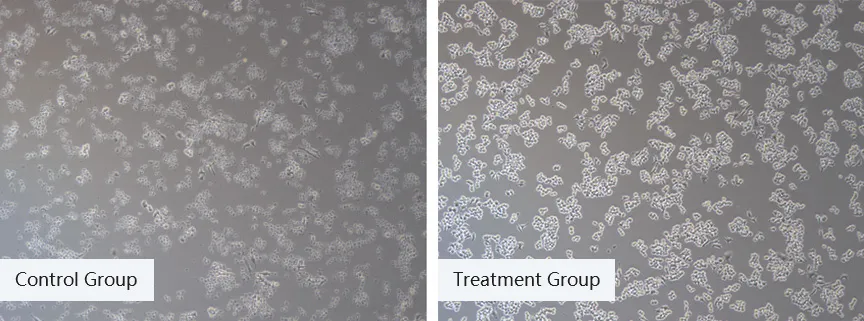
View Picture
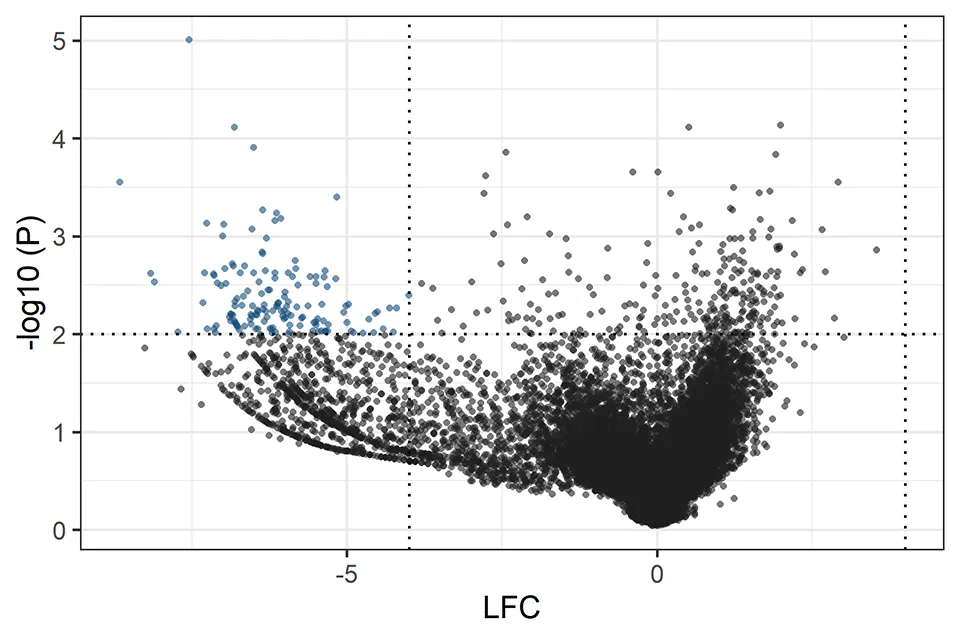
View Picture
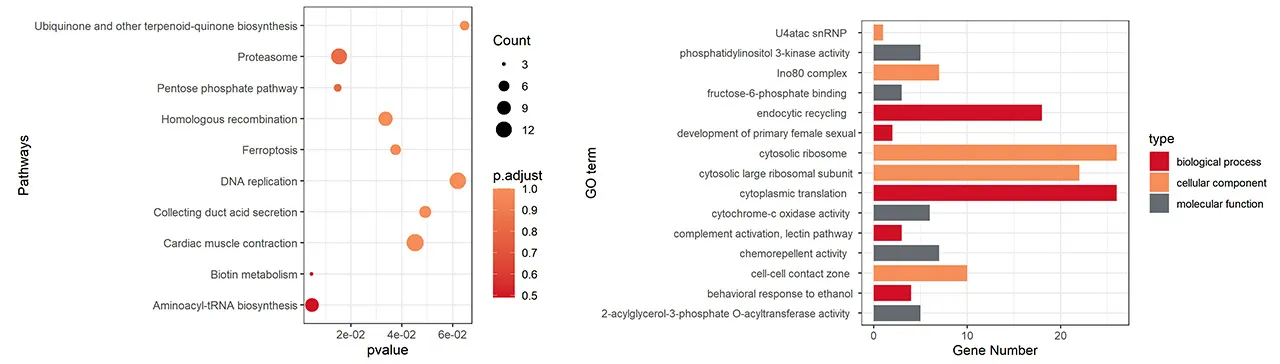
View Picture
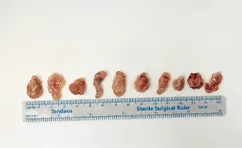
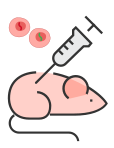
Tumor tissue collection in mice
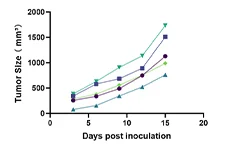
Tumor progression in mice
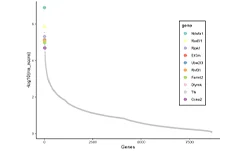
Bioinformatics analysis results Rank view of negative selection
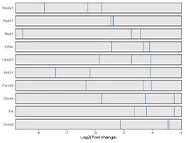
Bioinformatics analysis results
Workflow
Library cell pool
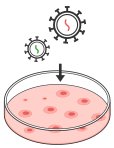
& Phenotypic Enrichment
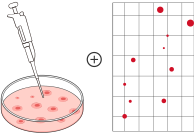
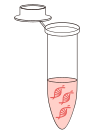
Extraction

Analysis

Library cell pool
Formation test
compound Treatment
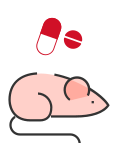
Collection



Service Highlights



Representative publications
CRISPR Library In Vitro Screening System: Serial passaging (selective pressure) + cell survival/proliferation (enrichment method)
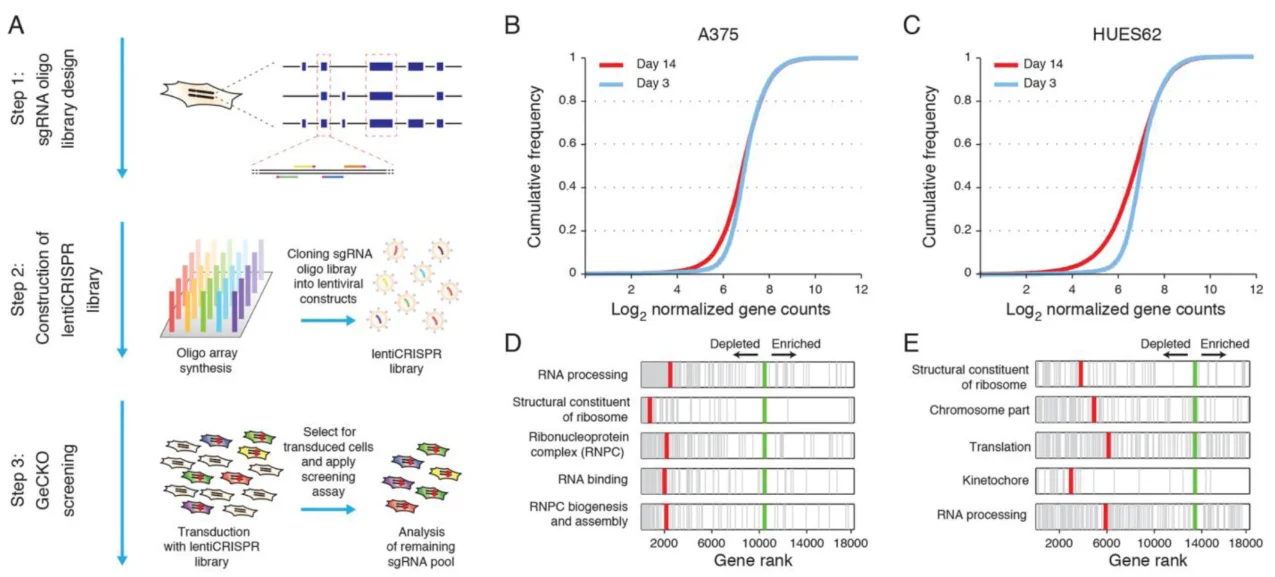
1. CRISPR-Cas9 knockout screening in human cells, Science.
Application: Identification of genes essential for the growth of human melanoma cells and human pluripotent stem cells
Currently, this type of functional screening system is relatively rare. It was widely used in the early development of CRISPR screening systems to identify genes required for growth or proliferation across various cell types. In this study, the authors successfully applied this screening system to identify genes essential for the growth of human melanoma cells and human pluripotent stem cells, providing valuable guidance for advancing CRISPR screening technology and offering a strong theoretical foundation for the field of tumor biology.
View Picture
CRISPR Library In Vitro Screening System: Serial passaging + enrichment based on cell-specific marker expression levels
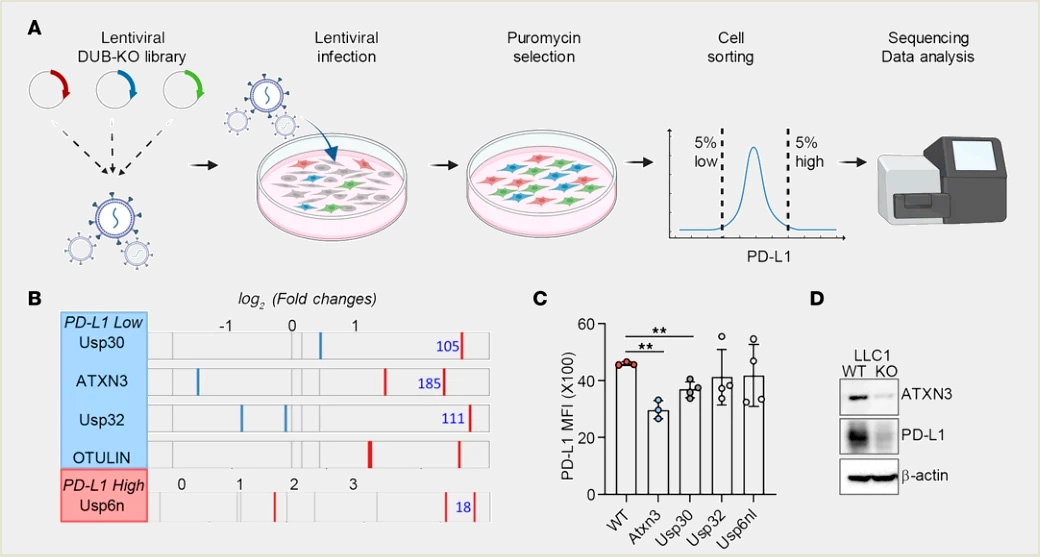
2. CRISPR screening identifies the deubiquitylase ATXN3 as a PD-L1-positive regulator for tumor immune evasion, J Clin Invest.
Application: Study of single-gene regulatory mechanisms
The authors constructed a CRISPR screening platform covering 96 members of the deubiquitylase family. By analyzing cell populations with low and high PD-L1 expression, they identified ATXN3 as a positive transcriptional regulator of PD-L1. Tumors lacking ATXN3 responded better to low-dose anti-PD-1 treatment, and inhibition of ATXN3 enhanced the efficacy of immune checkpoint blockade therapy.
View Picture
CRISPR Library In Vitro Screening System: Drug treatment (selective pressure) + cell survival/proliferation (enrichment method)
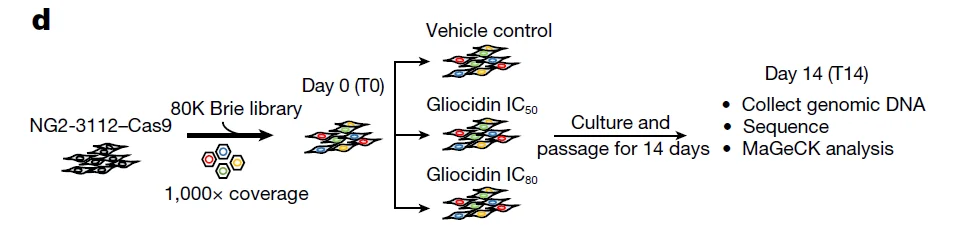
3. Gliocidin is a nicotinamide-mimetic prodrug that targets glioblastoma, Nature.
Application: Investigation of the mechanism of action of the anti-glioblastoma compound Gliocidin
In this study, the authors employed a whole-genome mouse CRISPR knockout library (Brie) to perform CRISPR screening in NG2-3112 cells. Cells were treated with Gliocidin at different concentrations (IC50 and IC80) and harvested on Day 0 and Day 14 post-treatment. Results from positive and negative selection screens indicated that positive and negative regulators of mTORC1 respectively decreased and increased tumor cell sensitivity to Gliocidin, highlighting the critical role of the mTORC1 pathway in mediating the anti-glioblastoma efficacy of Gliocidin.
View Picture
CRISPR Library In Vitro Screening System: Drug treatment (selective pressure) + flow cytometry-based enrichment (enrichment method)
4. An E3 ligase network engages GCN1 to promote the degradation of translation factors on stalled ribosomes, Cell.
Application: Investigation of the mechanism by which Ternatin-4 mediates eEF1A degradation
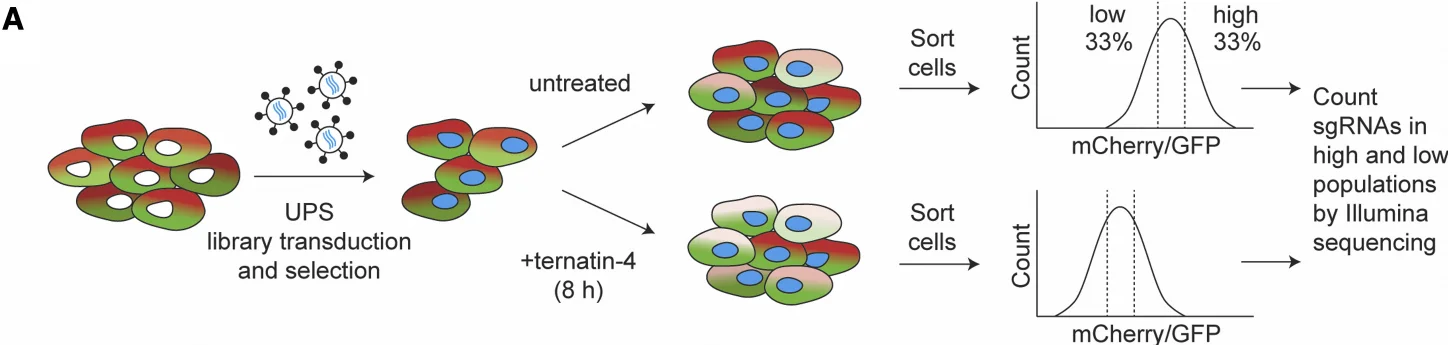
In this study, the authors generated a cell line overexpressing mCherry-eEF1A fusion protein and performed CRISPRi screening of UPS gene sets in this cell line. Based on previous findings that Ternatin-4 promotes eEF1A degradation, they treated the cells with Ternatin-4 and enriched the populations according to mCherry fluorescence intensity. This approach led to the identification of RNF14 and RNF25 as key mediators of eEF1A and ribosomal protein ubiquitination.
View Picture
CRISPR Library In Vitro Screening System: Drug treatment (selective pressure) + behavioral phenotype-based enrichment (enrichment method)
5. Whole-genome screens reveal regulators of differentiation state and context-dependent migration in human neutrophils, Nature Communications.
Application: Identification of genes involved in adhesion-dependent and -independent cell migration, protein trafficking, and actomyosin cytoskeleton regulation
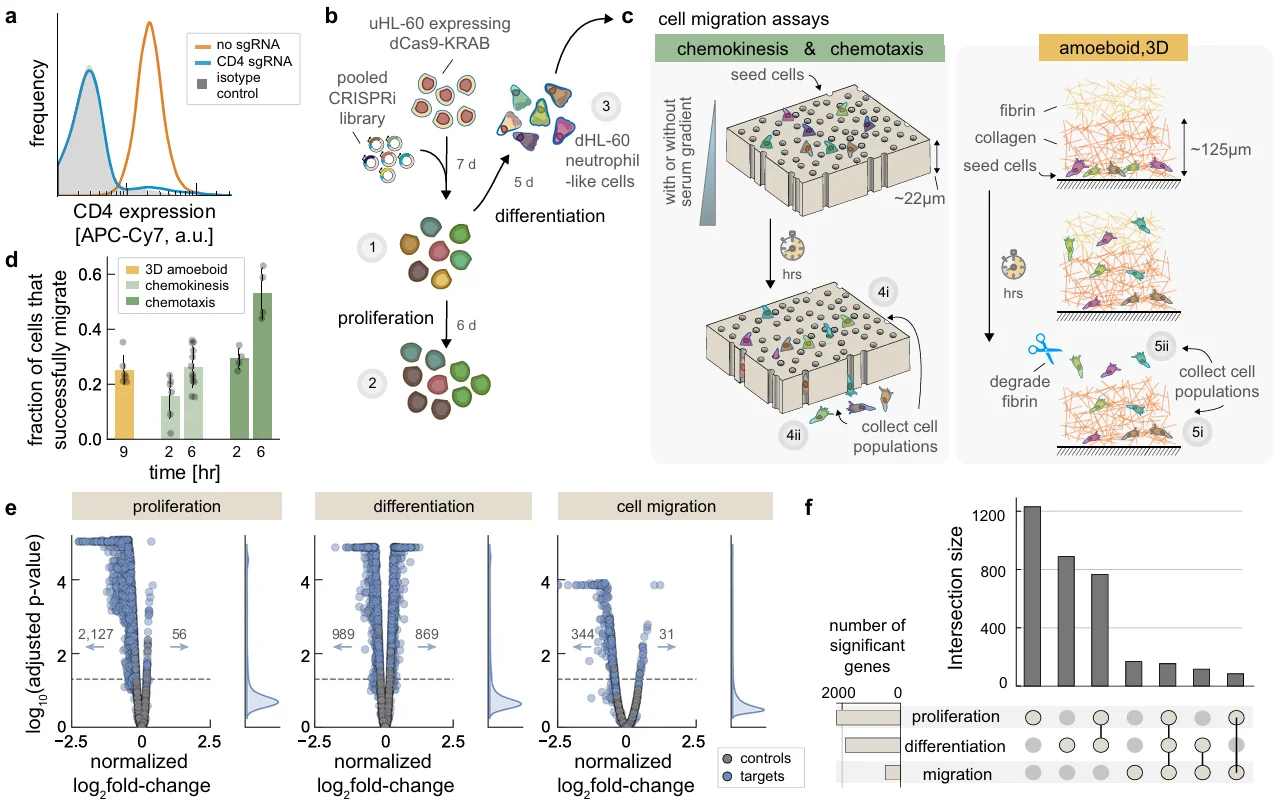
In this study, the authors used a whole-genome CRISPRi library and designed three experimental models to investigate key regulators associated with different migration behaviors of neutrophils. In two models, cells were seeded in a top reservoir above a track-etched membrane with 3 μm pores. A chemical gradient was established by adding 10% heat-inactivated fetal bovine serum to different regions of the reservoir to assess ordered and disordered chemotactic migration. In the third model, cells were embedded in a synthetic extracellular matrix to study amoeboid 3D migration, simulating movement through tissue interstices. Using these models, the authors identified 344 genes whose knockdown decreased the proportion of migrating cells and 31 genes whose knockdown increased migration. They also revealed the role of mTORC1 signaling in HL60 cell differentiation, affecting neutrophil abundance, survival, and migration behavior.
View Picture
CRISPR Library In Vitro Screening System: Viral infection (selective pressure) + cell survival/proliferation (enrichment method)
6. Replication competent HIV-guided CRISPR screen identifies antiviral factors including targets of the accessory protein Nef
Application: Identification of cellular antiviral targets
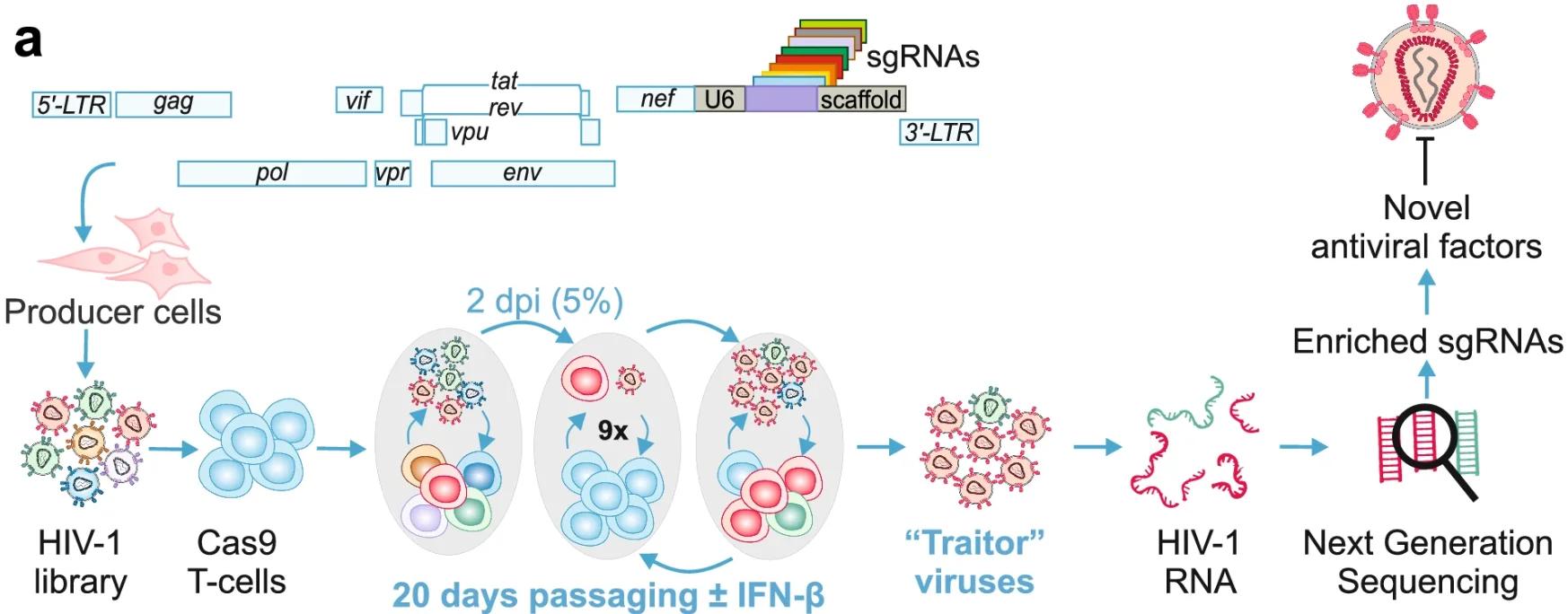
The authors generated over 1,500 replication-competent HIV-1 viruses expressing sgRNAs targeting more than 500 genes to screen for sgRNAs that enhance HIV-1 replication fitness. By serial passaging and NGS analysis in Cas9-expressing CD4⁺ T cells, several antiviral factors—including GRN, CIITA, EHMT2, and others—were identified as restricting the HIV-1 replication cycle.
View Picture
CRISPR Library In Vitro Screening System: Tumor/immune cell co-culture (selective pressure) + cell survival/proliferation (enrichment method)
7. Integrating genome-wide CRISPR immune screen with multi-omic clinical data reveals distinct classes of tumor intrinsic immune regulators, J Immunother Cancer.
Application: Identification of immune resistance regulators
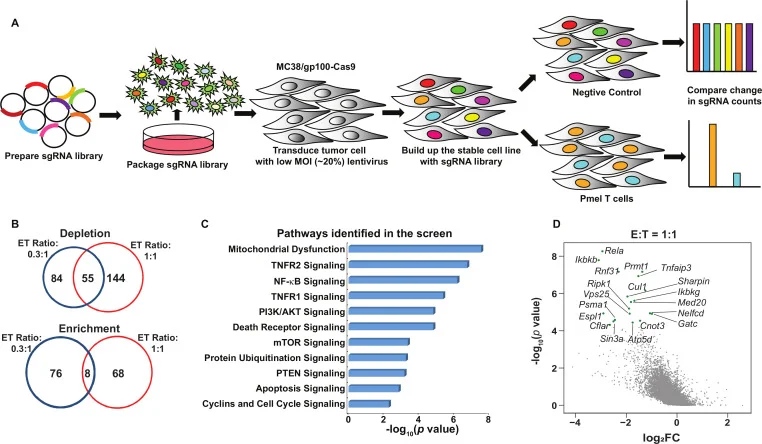
In this study, the authors applied a selective pressure system by co-culturing mouse colon cancer cells (MC38) with PmelT cells to identify unknown genes that play key regulatory roles in immunotherapy efficacy. During functional screening, for the T cell treatment group, PmelT cells were added at effector-to-target (E:T) ratios of 0.3:1 and 1:1 and cultured for 16 hours. For the non-T cell control group, an equivalent volume of T cell growth medium was added to assess in vitro sensitivity or resistance to T cell-mediated cytotoxicity. The study identified two distinct immune resistance regulators and demonstrated their potential as therapeutic targets to enhance immunotherapy efficacy. Among them, PRMT1 and RIPK1 were identified as a dual immune resistance regulator and a cytotoxicity resistance regulator, respectively. While the extent of effect varied among different types of immunotherapies, targeting PRMT1 and RIPK1 sensitized tumors to T cell-mediated killing and anti-PD-1/OX40 therapy.
View Picture
Cytokine stimulation (selective pressure) + cell survival/proliferation (enrichment method); Cytokine stimulation (selective pressure) + flow cytometry-based enrichment (enrichment method)
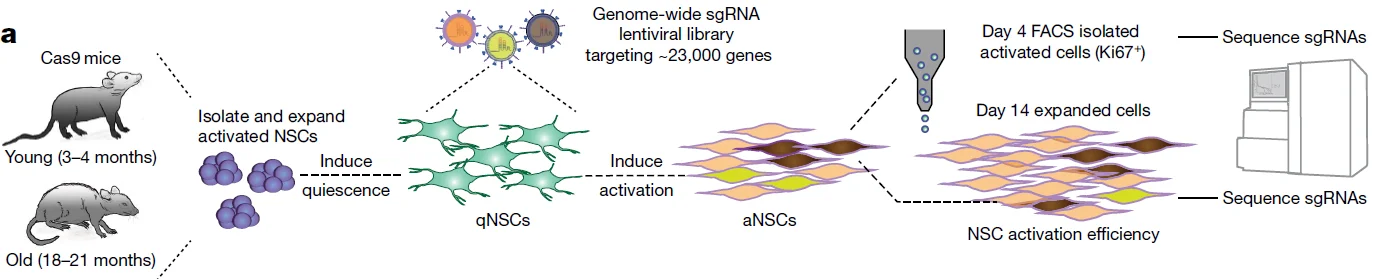
8. CRISPR-Cas9 screens reveal regulators of ageing in neural stem cells, Nature.
Application: Identification of key regulatory genes involved in the activation of aged neural stem cells at the in vitro level
In this study, the authors performed CRISPR screening using a whole-genome knockout library on primary neural stem cells isolated from young and aged mice. Following viral infection of quiescent neural stem cells, specific cytokines were added to induce the transition from a quiescent to an activated state, enhancing neural stem cell activity and proliferation.Two enrichment strategies were used: Flow Cytometry-Based Enrichment: On day 4 post-activation, Ki67⁺ cells were sorted to assess sgRNA abundance, and Proliferation-Based Enrichment: On day 14 post-activation, cells were collected based on the proliferative advantage of activated neural stem cells, and sgRNA abundance was assessed.Using these complementary functional screening systems, the authors successfully identified 301 genes whose knockout specifically promoted the activation of aged neural stem cells in vitro.
View Picture
In vivo native environment growth (selective pressure) + behavioral phenotype-based enrichment (enrichment method)
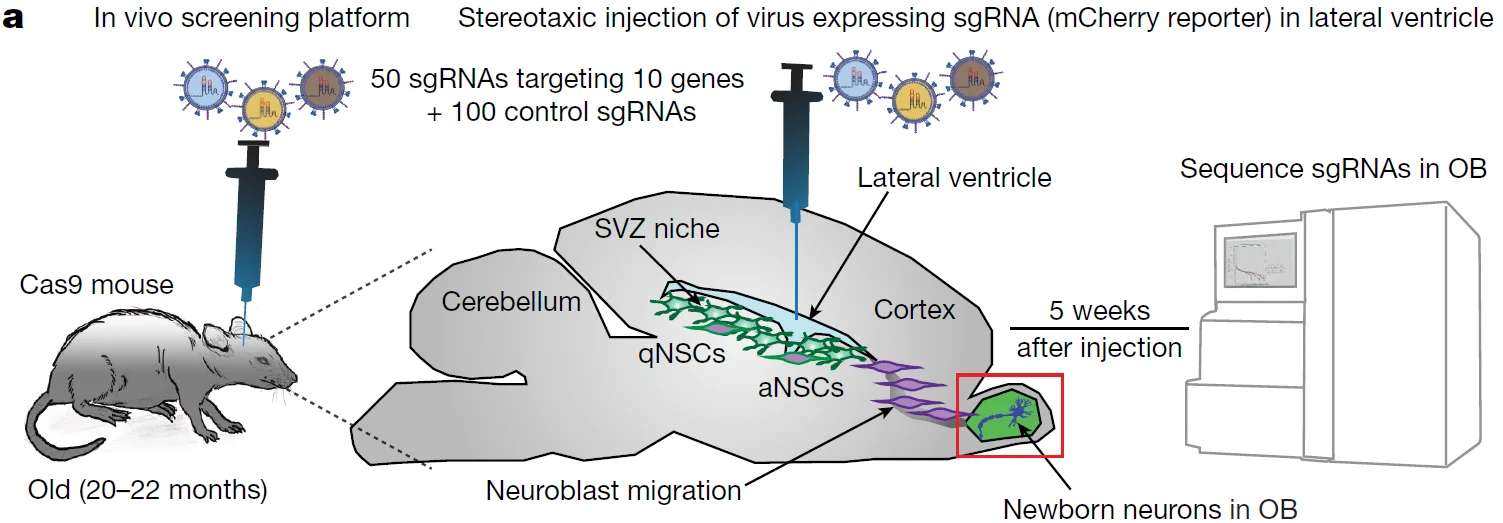
9. CRISPR-Cas9 screens reveal regulators of ageing in neural stem cells, Nature.
Application: Identification of key regulatory genes involved in the activation of aged neural stem cells at the in vivo level
To validate the functional targets identified in vitro that promote NSC activation upon knockout, the authors developed an in vivo functional screening platform in aged mouse brains. Quiescent NSCs (qNSCs) in the subventricular zone naturally activate in vivo and generate progeny that migrate to the olfactory bulb and differentiate into newborn neurons. This regenerative niche provides an ideal model for in vivo screening. The authors injected sgRNA library viruses into the lateral ventricles of aged mice to infect subventricular zone NSCs. Five weeks post-infection, genomic DNA from the olfactory bulb tissue was sequenced to analyze sgRNA abundance. Due to the limited number of cells available for in vivo screening, this platform was used for efficient validation of selected functional targets that showed significant effects in the in vitro system.
View Picture
FAQs
1. How to assess the reliability of screening results, and what controls should be included?
A CRISPR activation screen uses a catalytically - dead Cas9 (dCas9) linked to transcriptional activators(such as VP64). A gRNA library targets gene promoters or enhancers. The gRNA - dCas9 - activator complexes boost gene transcription. Cells with activated genes are selected under specific conditions. Sequencing gRNAs in these cells reveals genes related to the observed phenotype, helping study biological processes and find new therapies.
2. For flow cytometry sorting, is it sufficient that the initial cell input reaches >300* coverage, or does the sorted sample need 300* cells?
A CRISPR activation screen uses a catalytically - dead Cas9 (dCas9) linked to transcriptional activators(such as VP64). A gRNA library targets gene promoters or enhancers. The gRNA - dCas9 - activator complexes boost gene transcription. Cells with activated genes are selected under specific conditions. Sequencing gRNAs in these cells reveals genes related to the observed phenotype, helping study biological processes and find new therapies.
3. Recommended duration for drug screening, and should resistant clones be screened using positive or negative selection?
Key Differences
- Selection Pressure: Positive screens look for genes that confer resistance (survival), while negative screens look for genes that are essential (loss of viability).
- Outcome: Positive screens result in the enrichment of specific sgRNAs, whereas negative screens result in the depletion of specific sgRNAs.
- NGS Depth: Positive screens generally require lower sequencing depth compared to negative screens, which need higher depth to detect subtle
4. If the cell phenotype is not death after drug treatment, what enrichment method should be used?
- Include non-targeting sgRNAs in the library design as negative controls; these sgRNAs should not be enriched in either positive or negative selection.
- Include positive control sgRNAs (expected to be enriched in positive or negative selection). Since it is difficult to define negative outcomes in library screens, positive controls are generally more critical than negative controls.
- In experimental design, follow the controlled variable principle: the only difference between experimental and control groups should be the treatment.
5. Why perform a pre-experiment for drug screening?
- To ensure sufficient cells are collected, it is recommended to start with >500X cells before sorting; otherwise, low post-sort cell numbers may introduce experimental errors.
- The sorted sample does not need to reach 300X cells. For downstream experiments, the sorted cell number should ideally be ≥ 1 * 10⁶ cells.
6. For flow cytometry-based screening, should cells be cultured as a pool first, or can they go directly to sorting?
- Literature reports drug screens ranging from 1 day to 1 month, with most around 14 days. To achieve high enrichment of surviving cells and significant results, drug screens are generally recommended for ≥14 days.
- Whether to perform positive or negative selection depends on selective pressure:
- High selective pressure → positive selection yields more significant and reliable results
- Low selective pressure (e.g., serial passaging) → negative selection yields more significant and reliable results
7. How to best screen for drug resistance genes?
Use methods that distinguish cells based on the phenotype of interest, such as flow cytometry sorting or cell migration assays.
8. After staining pooled cells with antibodies and flow sorting for specific populations, how should samples be grouped for genomic extraction?
The pre-experiment determines the appropriate drug concentration:
- Avoid too low concentrations that have minimal killing effect
- Avoid too high concentrations that cause excessive cell death, making it difficult to collect sufficient cells for downstream NGS analysis
 Promotions