
AAV-Based iGOF-Perturb-seq Maps Transcription Factor Functions in Astrocytes In Vivo

Introduction
Astrocytes are essential for maintaining brain homeostasis and regulating neuroinflammation, and their functions are tightly controlled by transcription factors (TFs). However, how individual TFs coordinate astrocyte functional states in vivo has remained incompletely understood. In a study published in Science , Haibo Zhou and colleagues at the Center for Excellence in Brain Science and Intelligence Technology, Chinese Academy of Science s, developed iGOF–Perturb-seq, an in vivo gain-of-function perturbation-sequencing platform, and used it to establish a functional atlas of approximately 1,000 TFs in mouse astrocytes. The platform enabled the identification of cofunctional modules, functional annotation of previously uncharacterized TFs, and prediction of disease-associated TF clusters. When applied in a neuroinflammation model, it identified Ferd3l as a candidate therapeutic regulator. Astrocyte-specific overexpression of Ferd3l markedly ameliorated disease-associated phenotypes in 5XFAD mice, a model of Alzheimer’s disease (AD). This work provides a resource for understanding gene regulation in vivo, elucidating disease mechanisms, and identifying potential therapeutic targets for brain disorders.
Background
Astrocyte functional diversity is governed by complex transcriptional regulatory networks, but large-scale in vivo analysis of TF function has been technically challenging. Earlier in vivo Perturb-seq studies were largely limited to small-scale loss-of-function analyses and therefore could not comprehensively assess the consequences of gene overexpression. In neurodegenerative disorders such as AD, astrocytes can adopt neurotoxic states that may contribute to disease progression. A high-throughput screening platform that can operate under pathological conditions is therefore needed to identify key regulators of astrocyte function and candidates capable of improving disease-related phenotypes.
Study objectives
- Develop and validate the iGOF–Perturb-seq platform for high-throughput in vivo functional screening.
- Establish a gain-of-function atlas of approximately 1,000 TFs in mouse brain astrocytes.
- Identify cofunctional TF modules and infer the functions of previously uncharacterized TFs through gene-program analysis.
- Screen TFs in a neuroinflammation model to identify candidates that suppress the transition of astrocytes toward neurotoxic states.
- Evaluate the therapeutic potential of the candidate TF Ferd3l in the 5XFAD mouse model of Alzheimer’s disease.
Key findings
1. Establishment and validation of the iGOF–Perturb-seq platform
The iGOF–Perturb-seq platform enabled efficient in vivo overexpression of hundreds of TFs in astrocytes, followed by single-nucleus transcriptomic profiling.
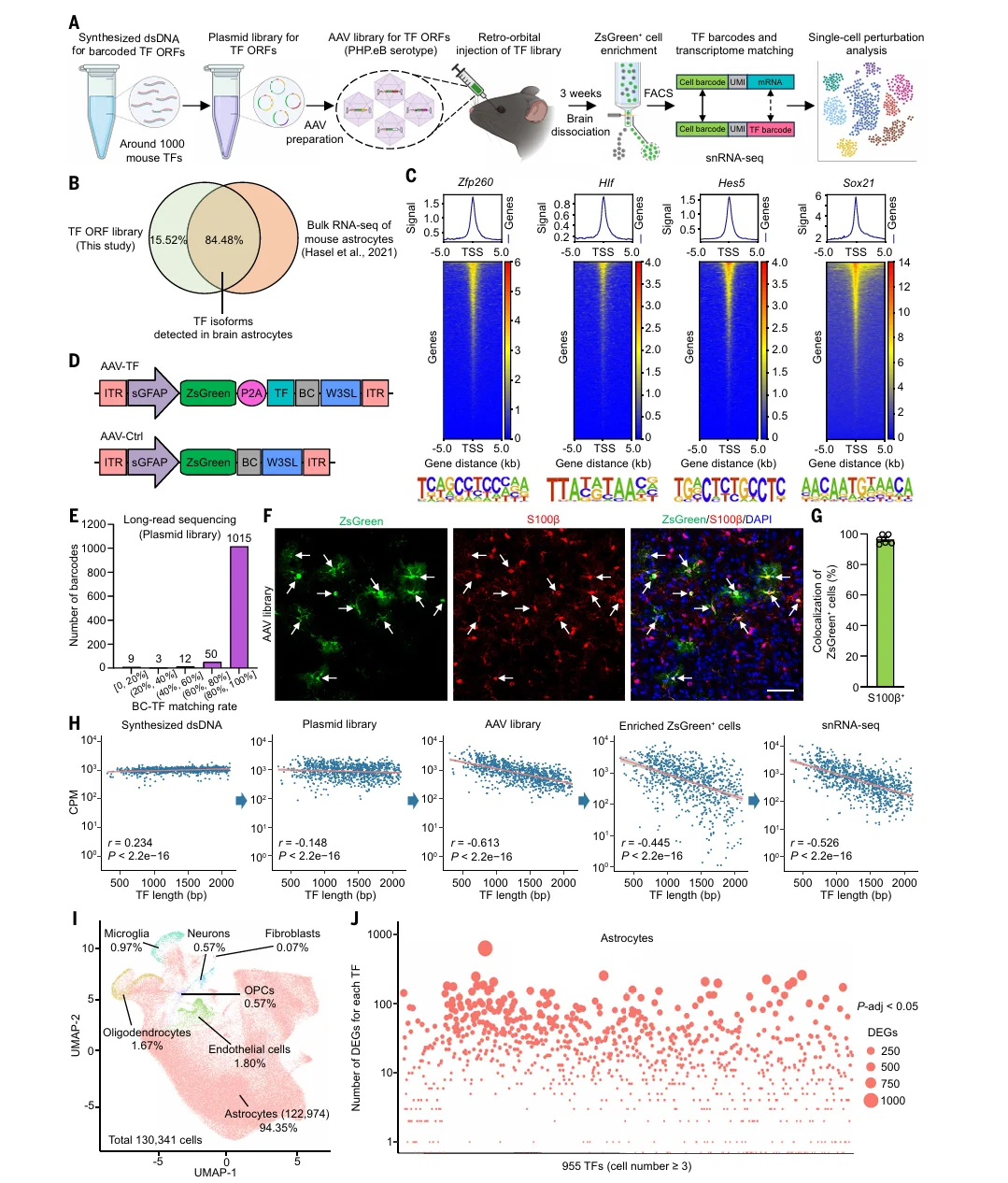
Figure 1. Experimental workflow of the iGOF–Perturb-seq platform
2. Functional validation of TF perturbation effects
In vitro functional assay results showing that Meis2 promotes phagocytosis and Zfp319 promotes synaptogenesis, combined with corresponding gene-knockdown experiments supported the accuracy and reliability of the screening results.
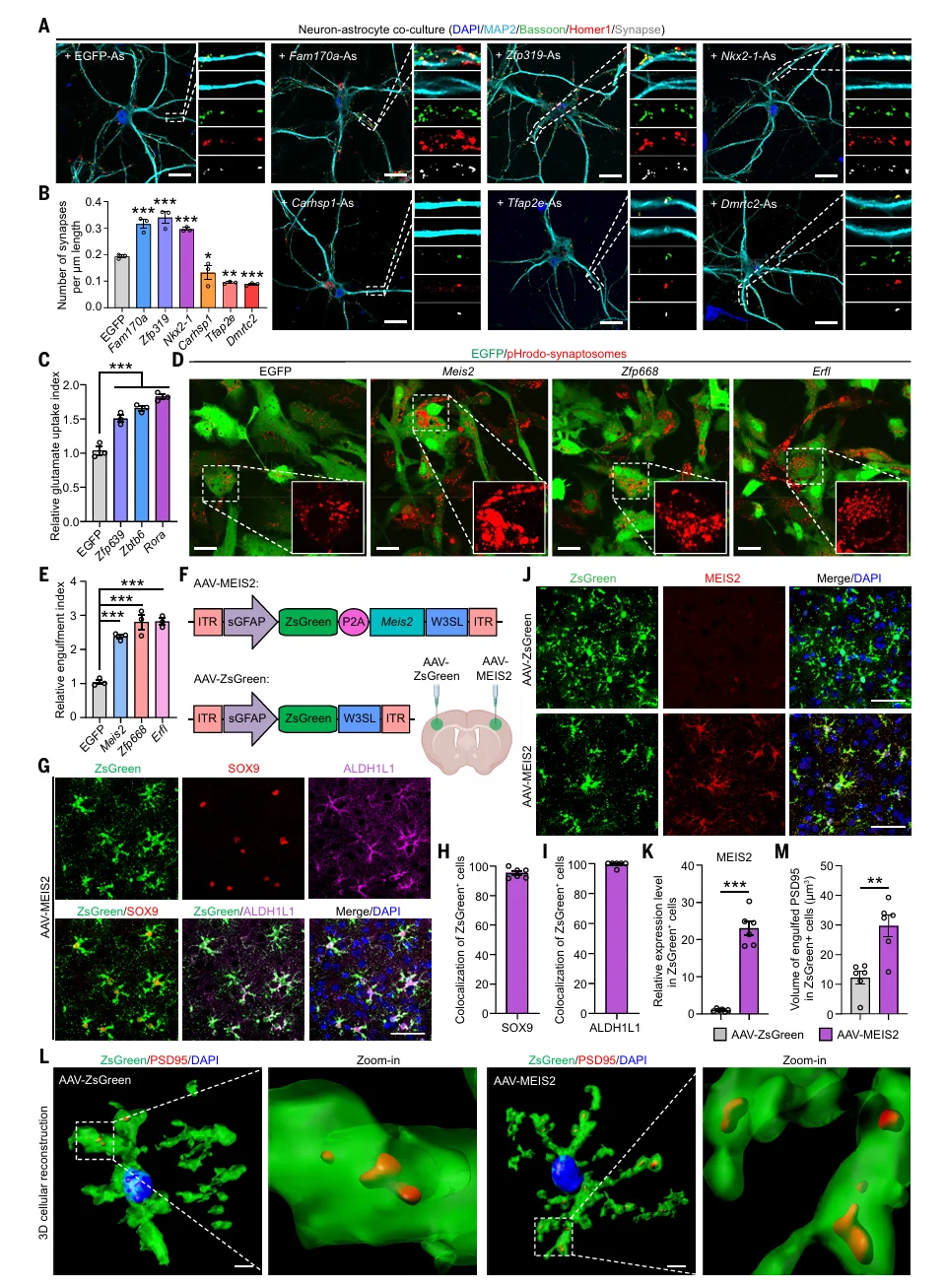
Figure 2. Validation of TF functions in regulating homeostatic astrocyte activities
3. Gene-program analysis reveals cofunctional modules of astrocytic TFs
Analysis of gene-expression programs identified cofunctional TF modules associated with distinct biological processes, including cellular identity, neurodegeneration, neuron–astrocyte interactions, immune responses, and cancer-related programs. This analysis also generated functional predictions for previously uncharacterized TFs, including Mafg and Lef1. Follow-up experiments supported roles for Mafg in regulating mitochondrial oxidative stress and for Lef1 in immune regulation.
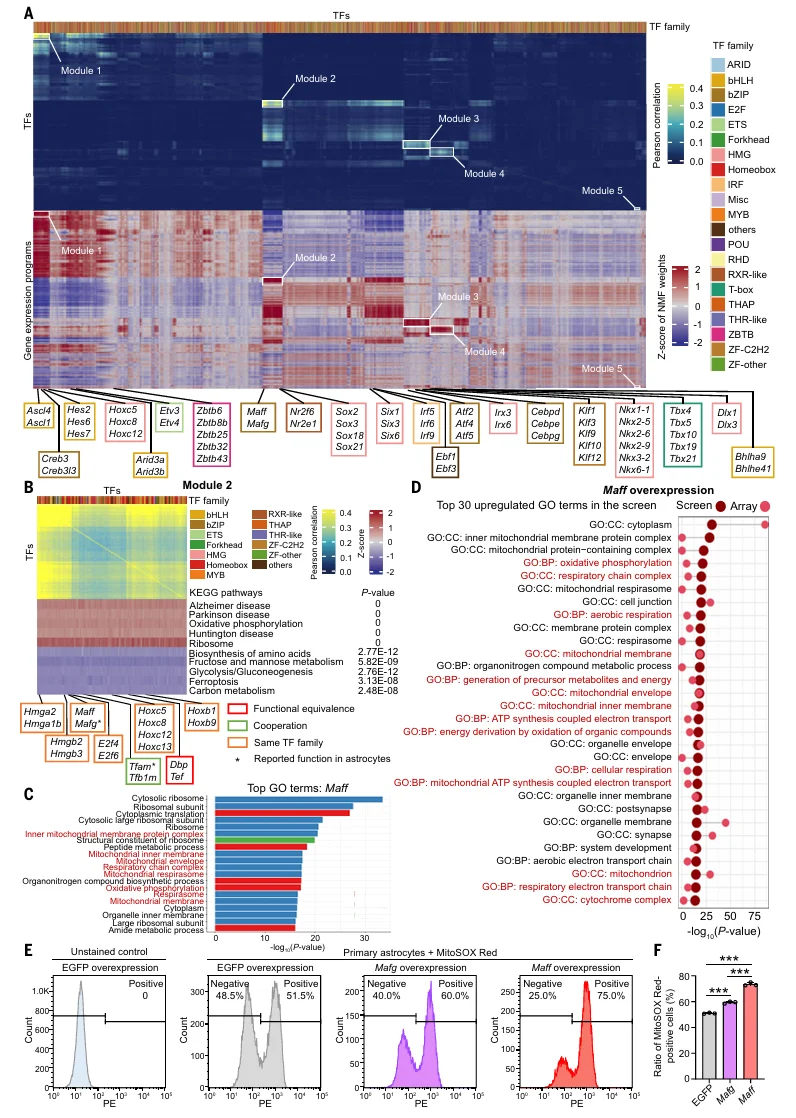
Figure 3. Unbiased clustering of TFs based on gene-expression programs
4. Pathway-similarity analysis identifies TFs that regulate multiple biological processes
Clustering based on effects on KEGG pathways identified 94 TFs that commonly upregulated neurodegeneration-associated pathways while downregulating cancer-associated pathways. High-dimensional weighted gene coexpression network analysis (hdWGCNA) further resolved five coexpression modules and six TF clusters, providing a systematic view of how distinct TF perturbations converge on astrocyte functional programs.
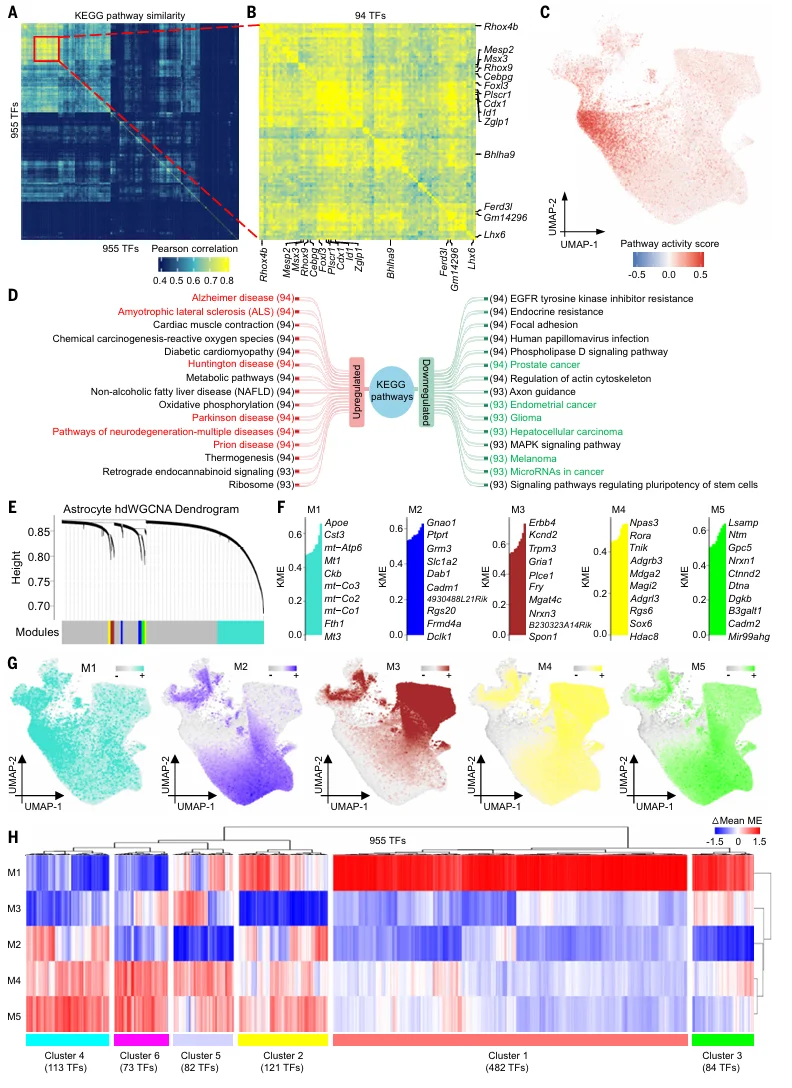
Figure 4. Comparative analysis of similarities among TF perturbation profiles
5. Screening in a neuroinflammation model identifies Ferd3l as a candidate therapeutic TF
In a lipopolysaccharide (LPS)-induced neuroinflammation model, 39 predicted disease-associated TFs were screened. Among five candidates, Ferd3l was the only TF reported to significantly suppress multiple inflammatory pathways while downregulating most markers associated with neurotoxic astrocytes.
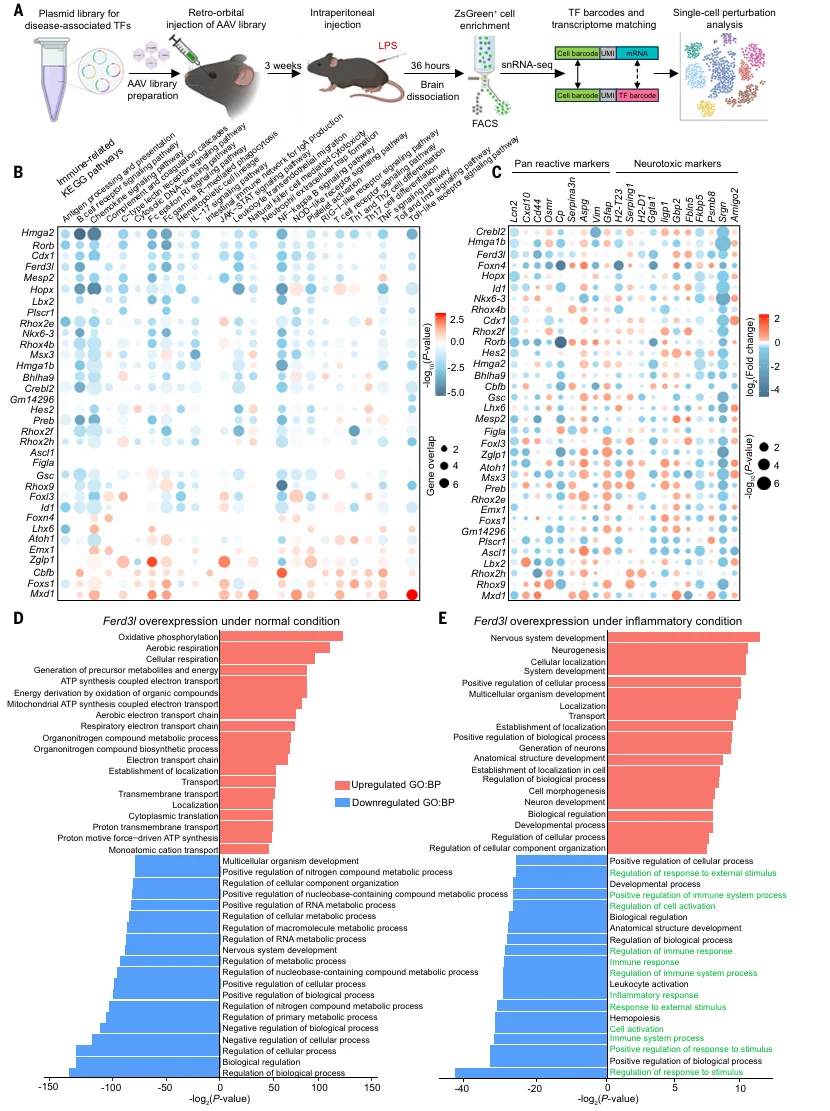
Figure 5. Screening for therapeutically relevant TFs with iGOF–Perturb-seq under inflammatory conditions
6. Astrocyte-specific Ferd3l overexpression ameliorates AD-related phenotypes in 5XFAD mice
Brain-wide astrocyte-specific overexpression of Ferd3l in 5XFAD mice improved cognitive deficits, reduced neuronal degeneration, and suppressed neurotoxic astrocyte activation. Conversely, astrocyte-specific Ferd3l knockdown worsened AD-related pathology and behavioral phenotypes in these mice.
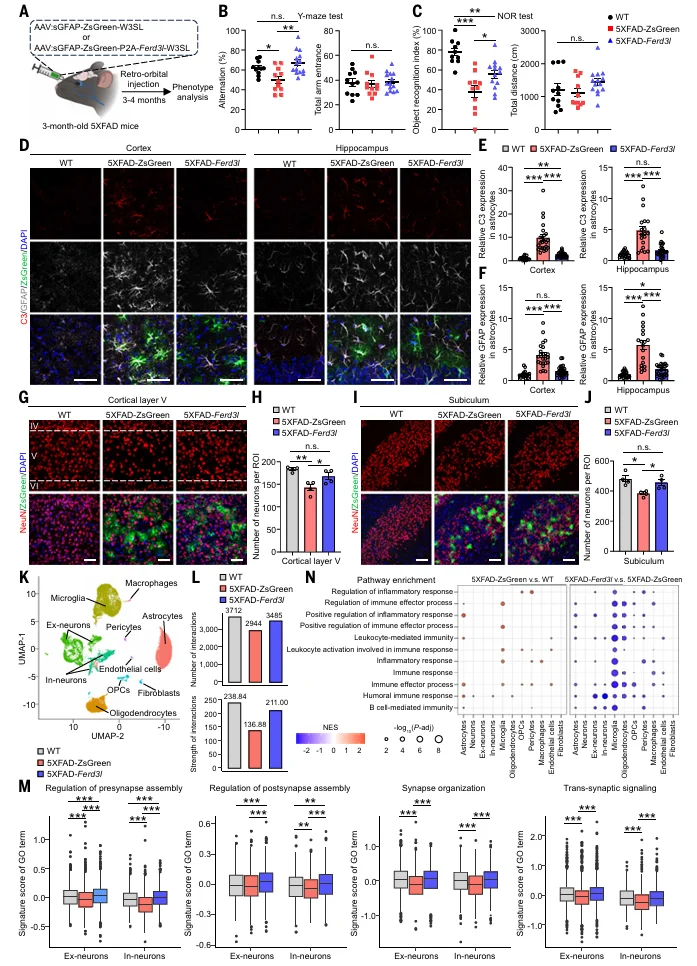
Figure 6. Brain-wide overexpression of Ferd3l in astrocytes alleviates AD-related phenotypes in 5XFAD mice
Conclusions
This study establishes iGOF–Perturb-seq as a platform for in vivo gain-of-function screening and provides a functional atlas of TFs in mouse astrocytes under physiological and pathological conditions. The findings indicate that distinct TFs can regulate astrocyte function by converging on shared gene-expression programs. Importantly, screening under disease-relevant conditions identified Ferd3l as a candidate therapeutic regulator. In an AD mouse model, enhancing Ferd3l expression in astrocytes suppressed their transition toward neurotoxic states, reduced neuroinflammation, protected neurons, and improved cognitive function. The platform offers a strategy for systematically identifying potential therapeutic targets for neurological disorders in vivo and may facilitate the development of astrocyte-targeted interventions.
Ubigene In Vivo CRISPR Library Screening
Ubigene offers end-to-end in vivo CRISPR library screening services , including tumor formation, drug screening, and metastasis studies. For research beyond oncology, Ubigene offers AAV-delivered CRISPR libraries for tissue-specific screening and in vivo target discovery. The free iScreenAnlys™ platform analyzes uploaded sequencing data with Drug-Z, MAGeCK-RRA, or MLE. Contact us for more information.
 Promotions