
IF=23.2 | Ubigene Luc Cells Support Research on Oat β-Glucan in Colorectal Cancer


Overview
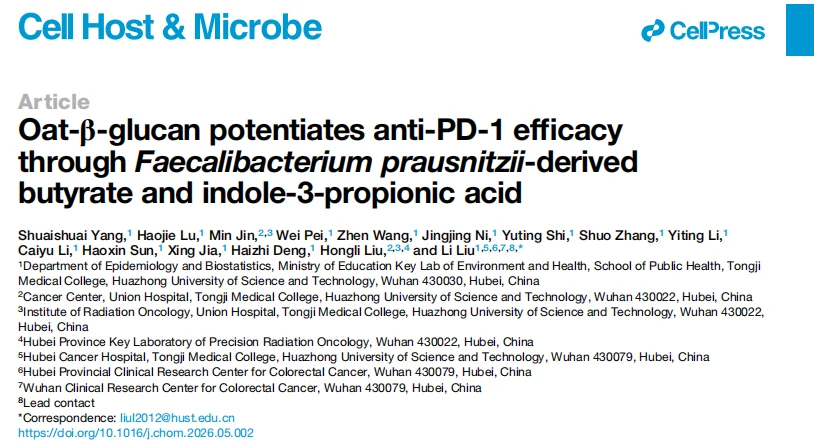
Immune checkpoint inhibitors have shown limited efficacy in colorectal cancer, while the gut microbiota plays an important role in regulating antitumor immunity. However, dietary interventions with well-defined mechanisms and potential clinical applicability remain limited. Recently, a research team from Tongji Medical College, Huazhong University of Science and Technology, published a study in Cell Host & Microbe demonstrating that oat β-glucan can sensitize colorectal cancer to anti-PD-1 therapy. Oat β-glucan enriched Faecalibacterium prausnitzii (F. prausnitzii), which produced two key metabolites, butyrate and indole-3-propionic acid (IPA). These metabolites activated dendritic cells and enhanced CD8⁺ T-cell cytotoxicity, respectively, thereby synergistically reshaping the antitumor immune microenvironment. Clinical cohorts further showed that the abundance of F. prausnitzii and the levels of butyrate and IPA could predict responses to immunotherapy, while a human intervention trial confirmed that oat β-glucan supplementation was safe and increased the abundance of F. prausnitzii and the levels of these metabolites. Together, these findings establish a gut–tumor immune regulatory axis and provide a potential oral nutritional strategy to support colorectal cancer immunotherapy. In this study, Ubigene provided MC38-Luc cells to demonstrate that the sensitizing effect of oat β-glucan on anti-PD-1 therapy was not limited to subcutaneous tumors, but was also consistently observed in an orthotopic, clinically relevant colorectal cancer model.
Research Strategy
- In Vivo Antitumor Efficacy: Subcutaneous and orthotopic colorectal cancer models demonstrated that oat β-glucan significantly enhanced the antitumor efficacy of anti-PD-1 therapy, while multi-omics analyses revealed characteristic activation of tumor immune pathways.
- Identification of the Key Gut Microbe: Multiple models involving antibiotic treatment, germ-free mice, and monocolonization identified intestinal F. prausnitzii as an essential mediator of the effects of oat β-glucan.
- Metabolite Screening and Validation: Metabolomic analysis identified butyrate and IPA as characteristic metabolites produced by F. prausnitzii, and animal transfer experiments demonstrated that both metabolites jointly mediated the enhanced immune response.
- Molecular Mechanisms: Butyrate activated dendritic cells through the HDAC8/H3K27ac/NF-κB pathway, while IPA independently enhanced CD8⁺ T-cell cytotoxicity. Together, the two metabolites synergistically reshaped the antitumor immune microenvironment.
- Clinical Translation: Multiple immunotherapy cohorts validated gut microbiota and metabolite levels as potential biomarkers of treatment response, while a human intervention trial confirmed that oat β-glucan was safe and could increase F. prausnitzii, butyrate, and IPA levels.
Key Findings
1. Oat β-Glucan Combined with Anti-PD-1 Significantly Inhibits Colorectal Cancer and Activates Antitumor Immune Pathways
Using subcutaneous and orthotopic MC38 colorectal cancer mouse models, the researchers demonstrated that oat β-glucan combined with aPD-1 significantly inhibited tumor growth and prolonged mouse survival. Tumor RNA sequencing showed significant enrichment of immune pathways related to chemotaxis, leukocyte migration, NK-cell activity, and antigen presentation in the combination-treatment group. No significant organ toxicity was observed following the combination treatment, indicating a favorable safety profile.
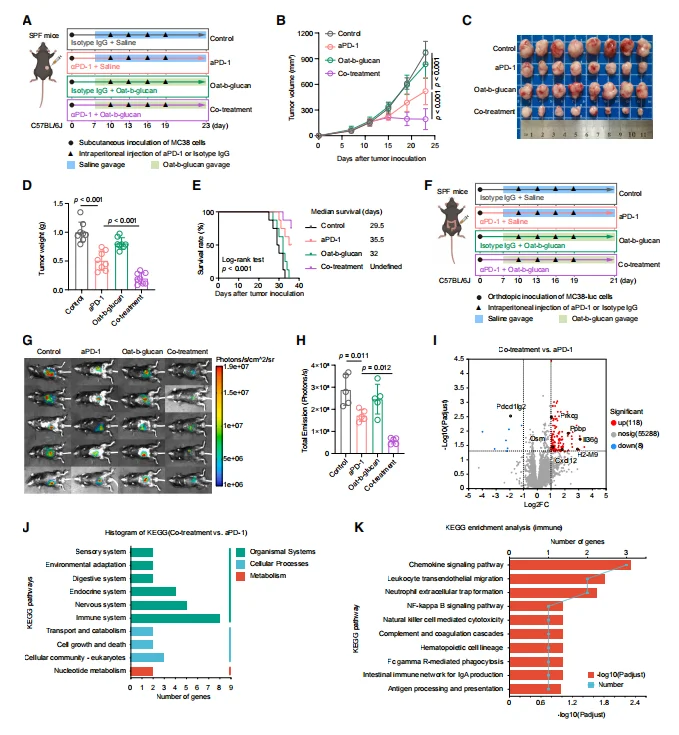
Figure 1. Oat β-glucan enhances PD-1 blockade through immune modulation in mouse tumor models.
2. The Combination Treatment Specifically Enhances Tumor-Infiltrating Effector T Cells and Mature Dendritic Cells
Flow cytometry and immunohistochemistry demonstrated that oat β-glucan combined with aPD-1 significantly increased intratumoral IFN-γ-positive CD8⁺ and CD4⁺ effector T cells. Large numbers of mature DCs with high expression of CD80, CD86, and IL-12 also infiltrated the tumors, accompanied by activation of peripheral immune cells. Other innate immune cell populations showed no significant changes, indicating that the combination treatment specifically enhanced adaptive antitumor immunity.
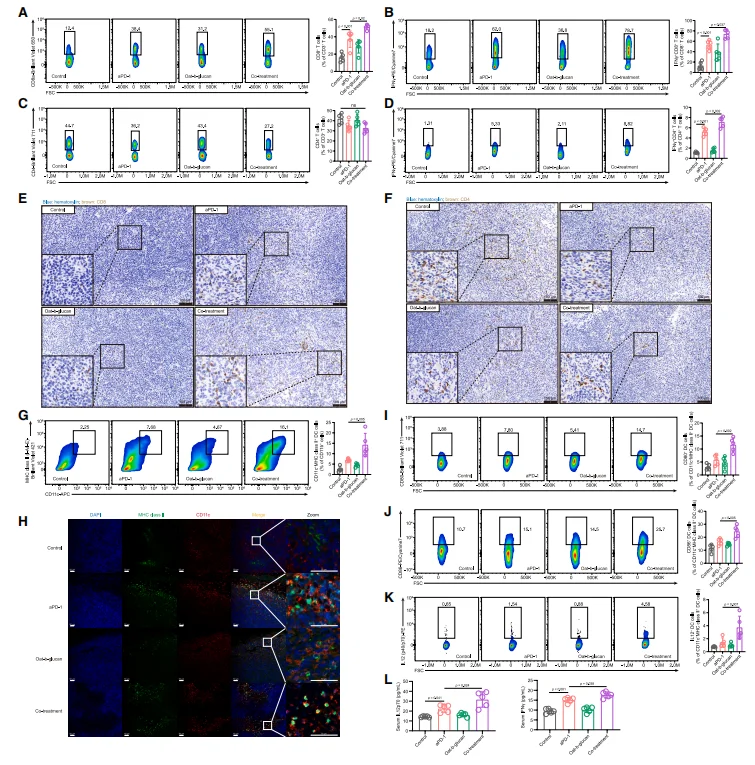
Figure 2. Oat β-glucan enhances PD-1-mediated antitumor immunity through coordinated regulation of T cells and dendritic cells (DCs).
3. The Gut Microbiota Is Essential for the Immunopotentiating Effect of Oat β-Glucan, with F. prausnitzii as the Key Functional Species
The researchers found that the immunopotentiating effect of oat β-glucan was abolished following antibiotic-mediated depletion of the gut microbiota. Metagenomic analysis and random forest modeling identified F. prausnitzii as the key functional species. Experiments using germ-free mice, oral administration of live bacteria, and adoptive transfer of OT-I T cells further demonstrated that supplementation with F. prausnitzii alone was sufficient to reproduce the immune activation and tumor-suppressive effects of the combination treatment, whereas Escherichia coli had no such effect. Clinical cohort analysis also showed that patients who responded to immunotherapy had significantly higher baseline abundance of F. prausnitzii.
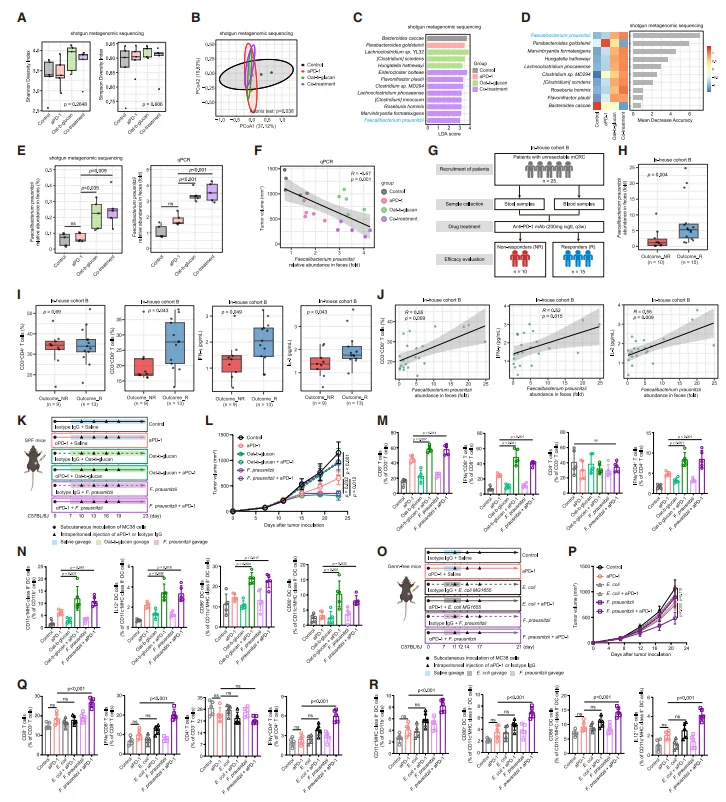
Figure 3. Enrichment of Faecalibacterium prausnitzii mediates the antitumor effects of oat β-glucan combined with aPD-1 antibody.
4. Butyrate and IPA Produced by F. prausnitzii Mediate the Enhanced Antitumor Immune Response
Metabolomic analysis identified three characteristic metabolites associated with F. prausnitzii: butyrate, IPA, and ribitol. Bacterial supernatant transfer experiments demonstrated that metabolites secreted by live bacteria were critical for tumor suppression. Supplementation with butyrate and IPA in mice reproduced the immune-enhancing effects of oat β-glucan. In colorectal cancer patients, fecal and plasma levels of these two metabolites were positively correlated with F. prausnitzii abundance and responses to immunotherapy.
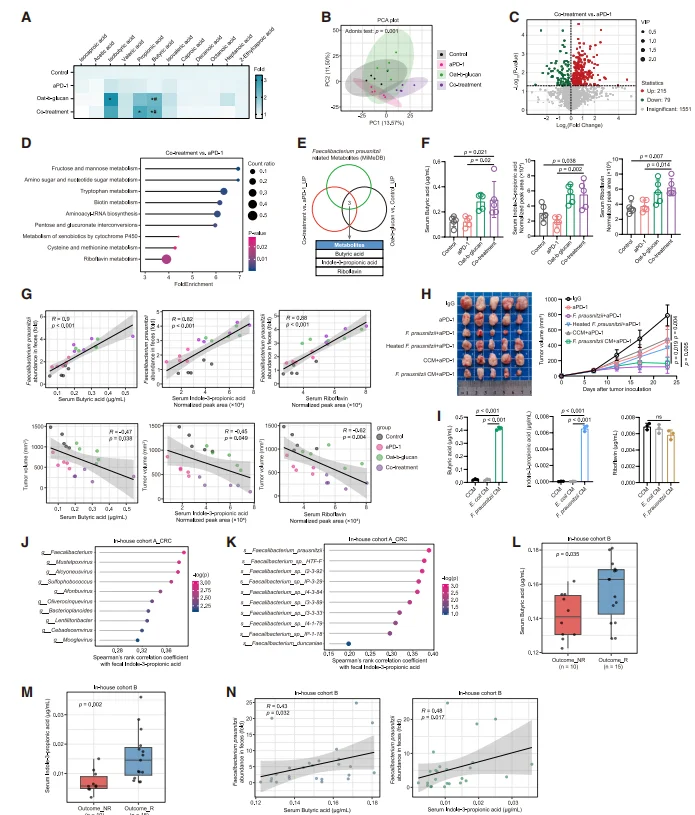
Figure 4. Butyrate and indole-3-propionic acid (IPA) produced by F. prausnitzii are key factors underlying the enhanced efficacy of oat β-glucan in immunotherapy.
5. Butyrate Activates Dendritic Cells and T Cells Through the HDAC8/H3K27ac/NF-κB Pathway
In vitro mechanistic studies showed that butyrate did not directly activate DCs. Instead, it inhibited HDAC8 and increased H3K27ac modification, thereby promoting nuclear translocation of NF-κB p65 and upregulating CD80, CD86, and IL-12 expression. An HDAC8 inhibitor reproduced the effects of butyrate, whereas NF-κB blockade completely abolished DC activation. At the same time, butyrate directly increased activation markers and cytotoxicity in CD8⁺ T cells. In vivo, combination treatment with aPD-1 significantly increased tumor-infiltrating effector immune cells.
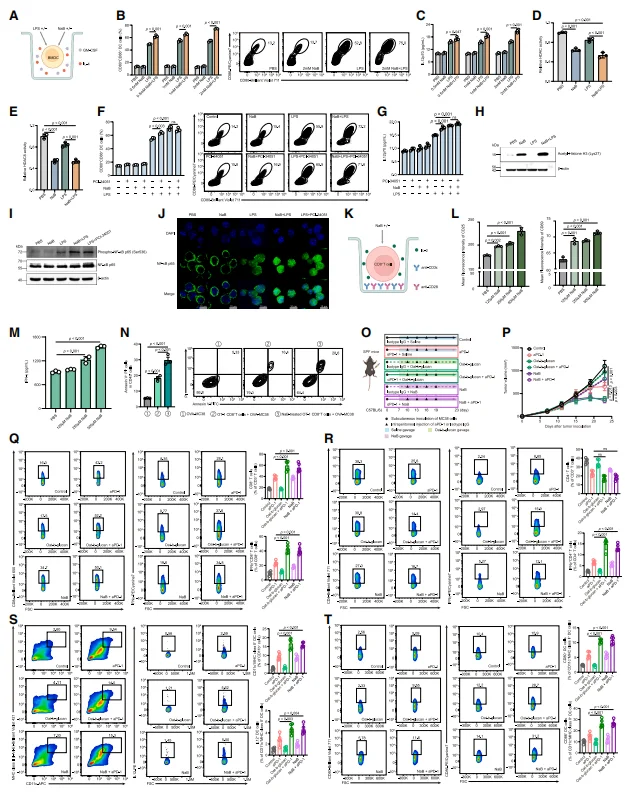
Figure 5. Butyrate activates dendritic cells (DCs) and CD8⁺ T cells to enhance antitumor immune responses.
6. IPA Specifically Enhances CD8⁺ T-Cell Cytotoxicity and Acts Synergistically with Butyrate
IPA did not affect dendritic cell maturation but independently increased CD25, CD69, and IFN-γ expression in CD8⁺ T cells and enhanced tumor-specific cytotoxicity. IPA combined with aPD-1 effectively inhibited tumor growth, selectively increased intratumoral CD8⁺ T cells, and did not alter the level of DC infiltration. These findings clarify that the two metabolites have distinct functions while working synergistically to enhance antitumor immunity.
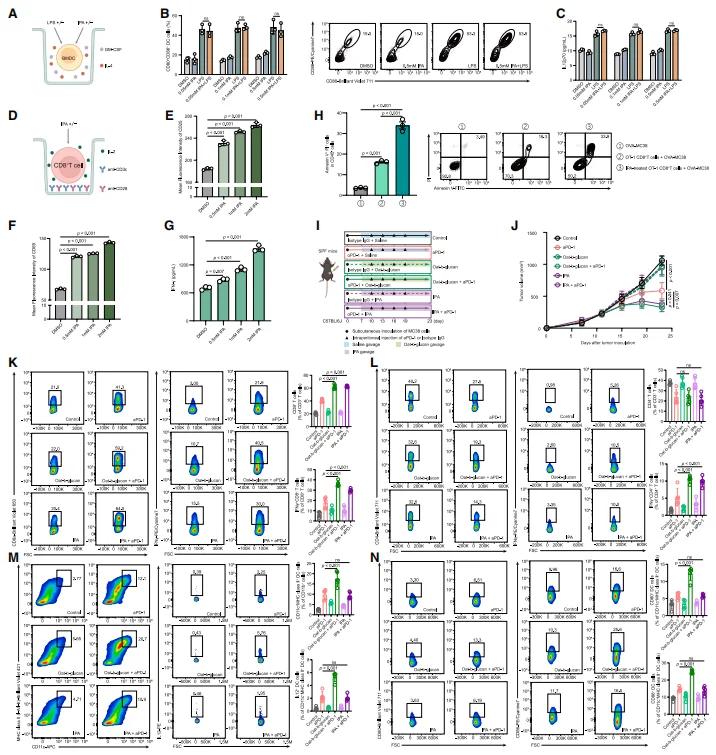
Figure 6. IPA activates CD8⁺ T cells to enhance antitumor immune function.
7. Human Intervention Study Confirms That Oat β-Glucan Is Safe and Can Increase F. prausnitzii and Its Metabolites
A 60-day, single-arm human intervention study was conducted to evaluate the effects of daily oat β-glucan supplementation. The intervention showed a favorable safety profile, with only mild gastrointestinal adverse events reported. Following the intervention, plasma levels of butyrate and IPA increased significantly, while participants with low baseline dietary fiber intake showed a significant increase in intestinal F. prausnitzii abundance. These findings demonstrate that this nutritional intervention can modulate the target gut microbiota and key immune-related metabolites in humans.
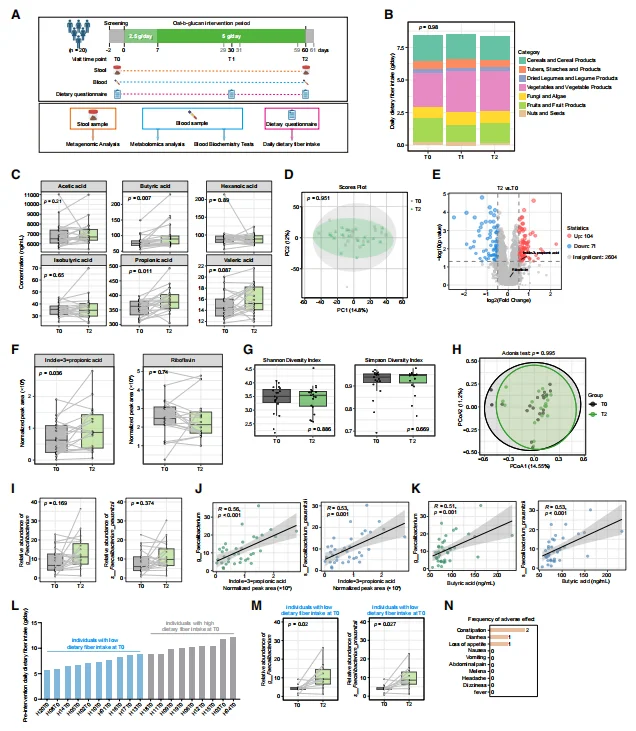
Figure 7. In a single-arm exploratory study, oat β-glucan safely and effectively increased F. prausnitzii and its metabolites, butyrate and IPA.
Summary
Using subcutaneous and orthotopic colorectal cancer mouse models combined with multi-omics analyses, this study demonstrated that oat β-glucan selectively enriched intestinal F. prausnitzii. F. prausnitzii produced butyrate and IPA; butyrate promoted dendritic cell maturation and activation through the HDAC8/H3K27ac/NF-κB pathway, while IPA specifically enhanced the antitumor cytotoxicity of CD8⁺ T cells. The two metabolites synergistically reshaped the tumor immune microenvironment and significantly enhanced the efficacy of anti-PD-1 immunotherapy; Baseline levels of F. prausnitzii, plasma butyrate, and IPA in colorectal cancer patients receiving immunotherapy may serve as predictive biomarkers of treatment response. The human intervention trial further demonstrated that oat β-glucan supplementation was safe and could increase the abundance of F. prausnitzii and the levels of these metabolites, providing a comprehensive mechanistic basis and a clinically applicable strategy for combining nutritional intervention with colorectal cancer immunotherapy.
Support Provided by Ubigene
Using subcutaneous and orthotopic colorectal cancer mouse models combined with multi-omics analyses, this study demonstrated that oat β-glucan selectively enriched intestinal F. prausnitzii. F. prausnitzii produced butyrate and IPA; butyrate promoted dendritic cell maturation and activation through the HDAC8/H3K27ac/NF-κB pathway, while IPA specifically enhanced the antitumor cytotoxicity of CD8⁺ T cells. The two metabolites synergistically reshaped the tumor immune microenvironment and significantly enhanced the efficacy of anti-PD-1 immunotherapy. Baseline levels of F. prausnitzii, plasma butyrate, and IPA in colorectal cancer patients receiving immunotherapy may serve as predictive biomarkers of treatment response. The human intervention trial further demonstrated that oat β-glucan supplementation was safe and could increase the abundance of F. prausnitzii and the levels of these metabolites, providing a comprehensive mechanistic basis and a clinically applicable strategy for combining nutritional intervention with colorectal cancer immunotherapy.
Welcome to inquire! Promotions