IF=12.2 | ENO2 Drives Tumor Progression in VHL-Deficient Kidney Cancer

Introduction
Clear cell renal cell carcinoma (ccRCC) with mutations in the von Hippel–Lindau (VHL) gene relies heavily on glycolysis. Conventional glycolysis inhibitors target enzymes that also perform essential functions in normal tissues, and the resulting systemic toxicity limits their clinical use. Under physiological conditions, the enolase isoform ENO2 is expressed at low levels, and ENO1 can compensate for its function. Whether ENO2 could serve as a selective metabolic target in ccRCC had remained unclear.
Researchers at Beijing Chaoyang Hospital, affiliated with Capital Medical University, showed that VHL loss upregulates ENO2 through hypoxia-inducible factor 2α (HIF2α). This creates a metabolic dependency on ENO2 in VHL-deficient ccRCC.
Ubigene supplied lentiviral vectors for stable expression of MDK (#YOE-LV004-hMDK) and ENO2 (#YOE-LV001-hENO2) . These tools helped the researchers establish ENO2 as a genotype-specific metabolic vulnerability in VHL-mutant ccRCC.
Research Background
Clear cell renal cell carcinoma is the most common type of kidney cancer. VHL mutations are a major driver of ccRCC, leading to sustained activation of hypoxia-inducible factors (HIFs) and increasing tumor cell dependence on glycolysis. This dependence offers a potential point of intervention. However, conventional inhibitors that target widely used glycolytic enzymes such as HK2 and LDHA can damage normal tissues. The study sought to identify a glycolytic vulnerability specific to VHL-mutant ccRCC that could be targeted with less harm to normal tissues.
Key Findings
1. ENO2 Is a Selective Metabolic Vulnerability in VHL-Deficient ccRCC
ENO2 was expressed at low levels in normal tissues, where ENO1 could compensate for its function. In VHL-mutant ccRCC, ENO2 expression increased significantly, while ENO1 and ENO3 expression showed no appreciable change. Following VHL loss, HIF2α bound directly to the ENO2 promoter and activated transcription. The researchers did not observe this effect with HIF1α.
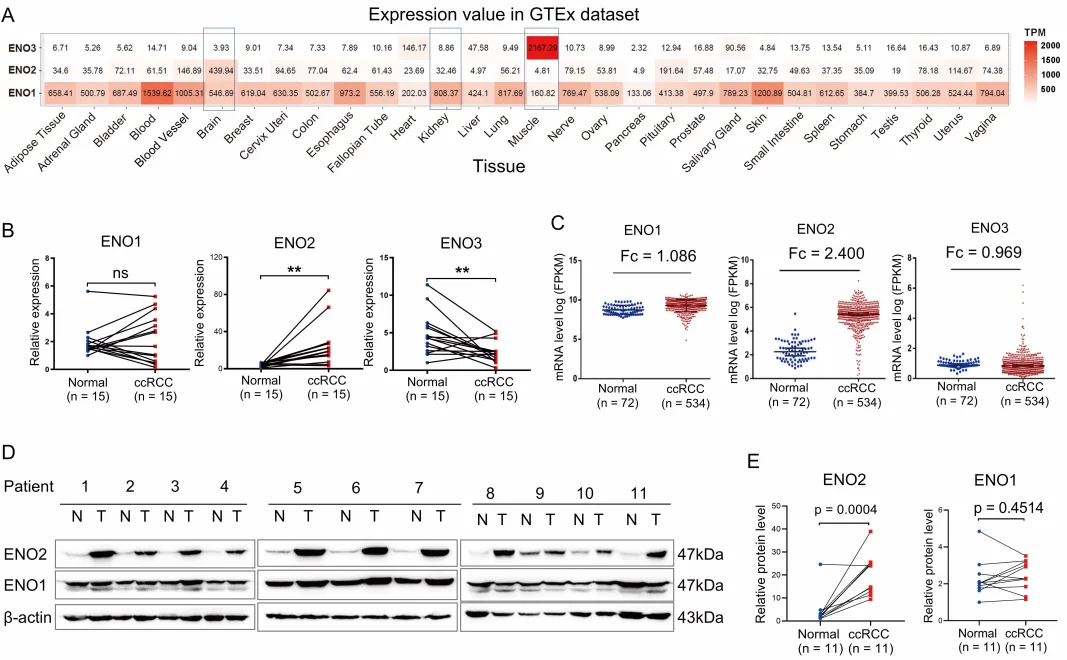
Figure 1. ENO2 is selectively upregulated in ccRCC.
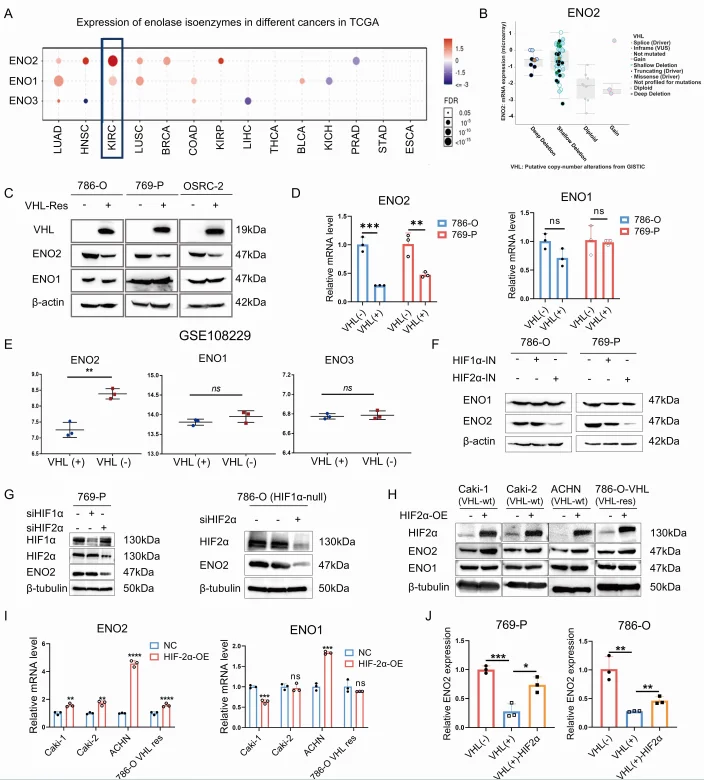
Figure 2. VHL loss activates ENO2 transcription through HIF2α.
2. ENO2 Drives Glycolysis and Malignant Behavior in VHL-Deficient ccRCC
ENO2 knockout significantly reduced glycolysis in VHL-deficient ccRCC cells, as shown by lower extracellular acidification rates (ECAR), glucose uptake, lactate secretion, and ATP production. These measures were unaffected in cells with functional VHL.
Loss of ENO2 also inhibited tumor cell proliferation, migration, invasion, and angiogenesis, while promoting apoptosis and increasing sensitivity to axitinib and doxorubicin.
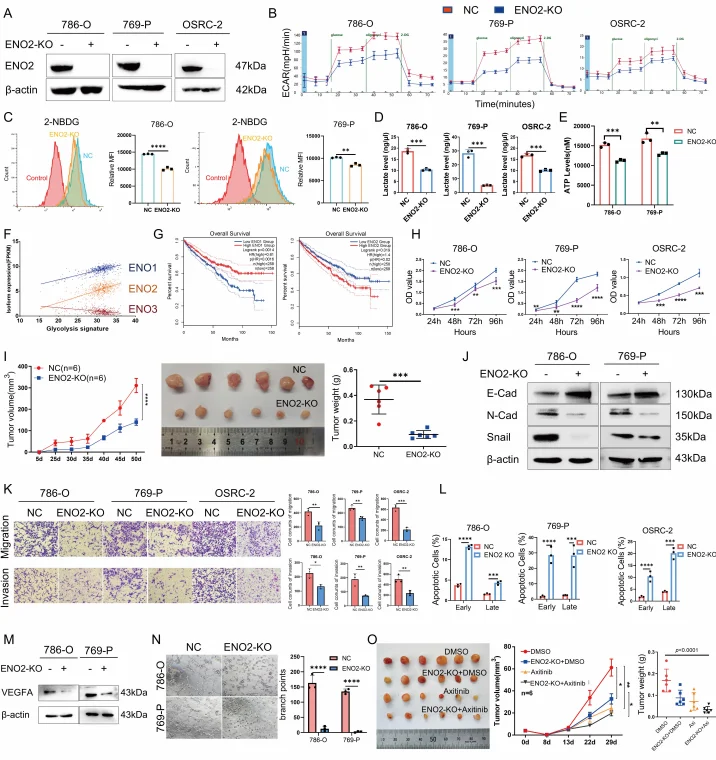
Figure 3. ENO2 mediates glycolytic reprogramming and malignant progression driven by VHL loss in ccRCC.
3. POMHEX Selectively Inhibits VHL-Deficient ccRCC in Preclinical Models
Compared with conventional glycolysis inhibitors such as 2-deoxy-D-glucose (2-DG) and oxamate, POMHEX showed greater selectivity for VHL-deficient ccRCC, with a VHL-loss selectivity index (VSI) of 1.6–2.0. It also showed minimal toxicity in nonmalignant HK-2 renal epithelial cells under the conditions tested. In a 786-O xenograft model, POMHEX suppressed tumor growth with no overt toxicity observed in mice.
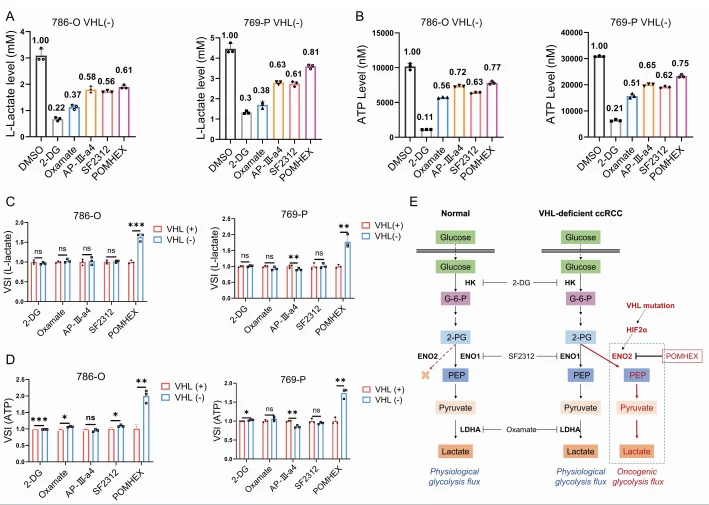
Figure 4. Targeting ENO2 inhibits glycolysis in VHL-deficient ccRCC.
4. ENO2 Promotes Tumor Progression Through Lactate and Interferon Signaling
ENO2 loss reduced lactate production and histone H3 lysine 18 lactylation (H3K18la), decreasing the expression of oncogenic genes activated by VHL loss, including MDK.
ENO2 also activated interferon signaling by increasing expression of IFNGR2, a subunit of the interferon-γ receptor. ENO2 knockout blocked this signaling and reduced the expression of downstream interferon-stimulated genes (ISGs), including OAS1 and ISG15.
ENO2 regulated MDK expression through both lactate metabolism and IFNGR2–IFN-γ signaling. Restoring MDK expression partially reversed the tumor-suppressive effects of ENO2 loss.
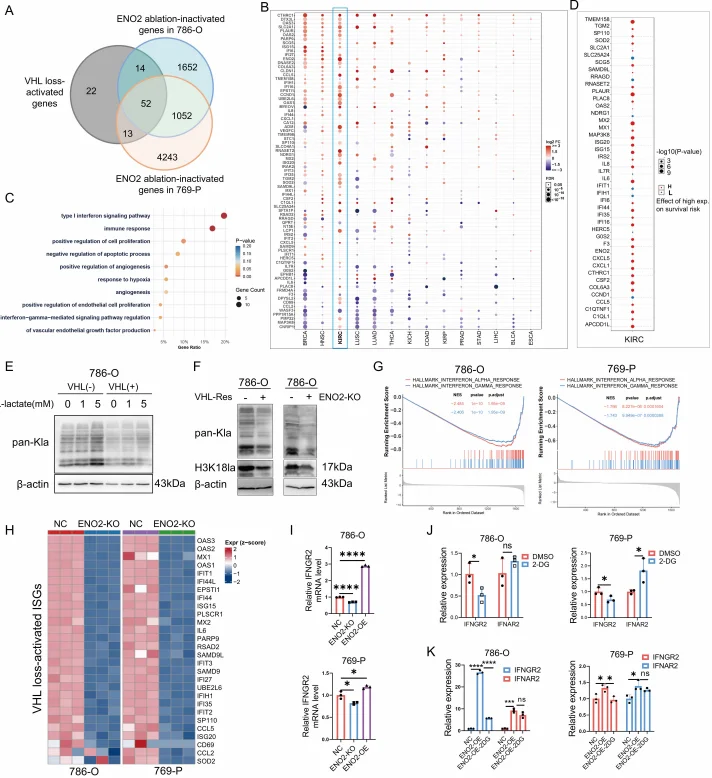
Figure 5. Targeting ENO2 broadly suppresses oncogenic gene expression induced by VHL loss through effects on lactate and interferon signaling.
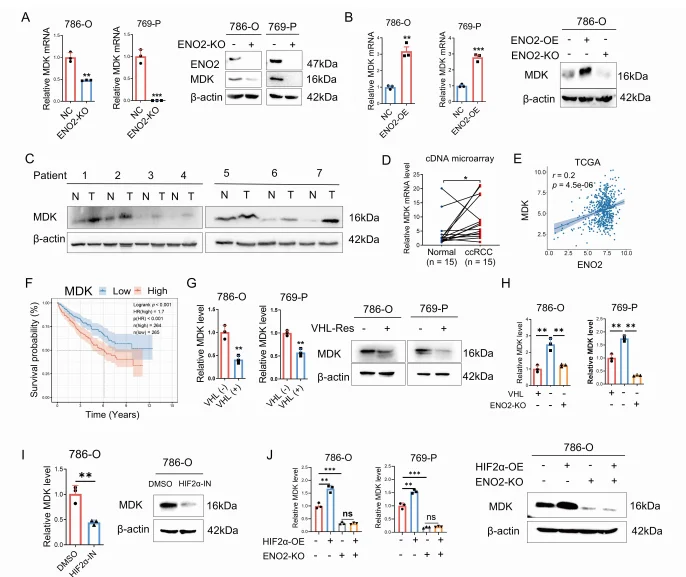
Figure 6. MDK is a key downstream target of the VHL–HIF2α–ENO2 signaling axis in ccRCC.
Therapeutic Implications
1. Genotype-guided metabolic targeting
The study identifies ENO2 as a selective target in VHL-mutant ccRCC. In preclinical models, POMHEX showed greater selectivity than conventional glycolysis inhibitors, supporting further evaluation as a candidate for targeted metabolic therapy.
2. Exploiting isoform-specific dependencies
Normal tissues can compensate for reduced ENO2 activity through ENO1, while VHL-mutant ccRCC cells depend on ENO2. This difference suggests a broader strategy for selectively targeting tumors that rely on a metabolic enzyme isoform with a compensatory counterpart in normal tissues.
3. Potential for combination therapy
ENO2 loss increased sensitivity to axitinib and doxorubicin in the study, providing a rationale for testing ENO2 inhibition in combination with targeted therapy or chemotherapy.
Summary
The study identified ENO2 as a genotype-specific metabolic vulnerability in VHL-mutant ccRCC. Targeting ENO2 suppressed glycolysis in VHL-deficient tumor cells and showed limited toxicity in the nonmalignant cells tested. The findings identify a metabolic target and a candidate inhibitor for further investigation in ccRCC. They also illustrate how dependence on a particular metabolic enzyme isoform could guide target selection in other mutation-driven cancers.
How Ubigene Supported the Study
Ubigene supplied lentiviral vectors for stable expression of MDK (#YOE-LV004-hMDK) and ENO2 (#YOE-LV001-hENO2). These tools supported experiments that established ENO2 as a metabolic dependency in VHL-mutant ccRCC and clarified the role of MDK downstream of ENO2.
Ubigene provides end-to-end stable cell line development services for gene overexpression , gene knockdown , and custom luciferase reporter cell lines . Our proprietary EZ-OE™ technology enables precise integration and stable expression of exogenous DNA without viral vectors. It supports academic and industrial researchers in generating stable cell lines with high expression for gene function studies, protein expression optimization, and candidate drug screening and evaluation.
If you are planning research on ENO2, we offer lentiviral vectors and stable cell line development services. Contact us to learn more!
 Promotions