
New Insights in Cell Research: How mechanical stress fuels CRC metastasis through a DLD-Malate axis!


Introduction
Distant tumor metastasis is the leading cause of approximately 90% of cancer-related deaths. The ability of tumor cells to navigate through confined microenvironments, including dense extracellular matrices, narrow capillaries, and endothelial gaps, represents a critical bottleneck in the metastatic process. Previous studies of metabolic reprogramming have primarily focused on tumor cell survival in circulation and colonization at distant sites, whereas how mechanical compression-induced metabolic adaptation enables cells to pass through confined spaces and promote distant metastasis remains poorly understood.
A recent study published in Cell Research employed a CRISPR knockout library targeting 1,685 metabolic enzymes and used constrained migration of colorectal cancer cells as the screening phenotype, identifying the key mitochondrial metabolic enzyme DLD. The study demonstrated that mechanical compression stabilizes DLD mRNA through hnRNPA0, thereby increasing DLD expression and enhancing malate production through the TCA cycle. Malate directly binds to the microtubule protein TUBA1B, promoting microtubule assembly and enhancing cell migration through confined spaces.
Together, these findings establish a previously unrecognized mechanical force–RNA regulation–mitochondrial metabolism–cytoskeleton axis that promotes tumor metastasis, providing a potential new strategy for targeting DLD to inhibit colorectal cancer metastasis.
Key Innovations
- Identification of a novel mechanometabolic axis: The study establishes a mechanical compression–hnRNPA0–DLD–TCA–malate–microtubule axis, linking physical microenvironmental cues with mitochondrial metabolism and cytoskeletal regulation.
- A noncanonical role of malate: Malate was identified as a signaling metabolite that directly binds to TUBA1B and regulates microtubule polymerization, expanding the known functions of TCA cycle metabolites beyond their canonical metabolic roles.
- Selective regulation of confined-space migration: DLD specifically regulates migration through confined spaces without affecting cell proliferation or two-dimensional migration, suggesting potentially improved safety for DLD-targeted therapies.
- A novel RNA regulatory mechanism: Mechanical signals promote hnRNPA0 binding to the ARE element of DLD mRNA, thereby stabilizing the transcript and increasing DLD expression.
Research Workflow
- Screening and identification: A metabolic enzyme CRISPR screen combined with transcriptomic analysis identified DLD as a core gene promoting metastasis. Its specific role in constrained tumor cell migration was validated using both in vitro and zebrafish models.
- Functional dependency: Rescue experiments using DLD mutants and inhibitor studies demonstrated that the pro-metastatic effect of DLD depends entirely on its mitochondrial enzymatic activity. The small-molecule inhibitor MICA suppressed metastasis and prolonged survival in tumor-bearing mice.
- Upstream regulation: In vitro compression experiments and RNA interaction assays demonstrated that mechanical stress stabilizes DLD mRNA through hnRNPA0 binding to the ARE element of DLD. Clinical samples further showed that high DLD expression was associated with increased metastatic risk.
- Downstream effects: Metabolomic analysis, rescue experiments, and molecular interaction assays demonstrated that DLD increases malate levels. Malate directly binds TUBA1B and promotes microtubule assembly, thereby supporting migration through confined spaces.
- In vivo validation: Mouse lung metastasis models and patient-derived xenograft (PDX) models comprehensively confirmed that the mechanical–metabolic–microtubule pathway drives distant tumor metastasis in vivo.
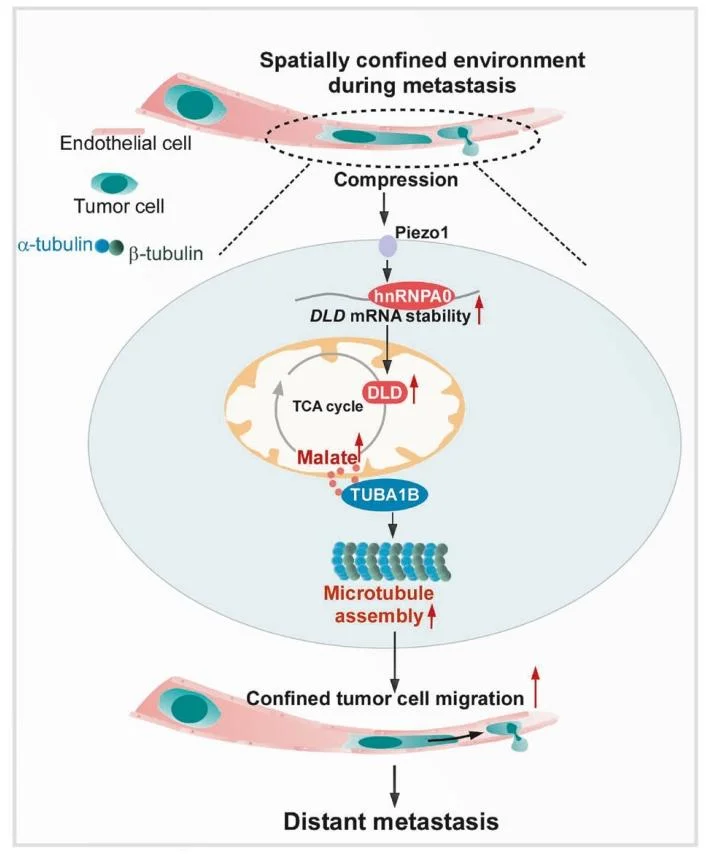
Mechanistic Overview
Major Findings
1. CRISPR Metabolic Enzyme Screening Identifies DLD as a Key Gene Required for Constrained Tumor Cell Migration
A CRISPR library targeting 1,685 metabolic enzymes was combined with a Transwell constrained-migration model for screening. Integrated analysis with RNA-seq identified DLD as a major gene promoting tumor cell migration. Transwell migration, transendothelial migration, microchannel assays, as well as zebrafish and mouse metastasis models collectively demonstrated that DLD loss impaired the ability of tumor cells to navigate through microvascular-like confined spaces and suppressed distant metastasis. These findings establish DLD as a key metabolic enzyme required for tumor cell migration through confined microenvironments.
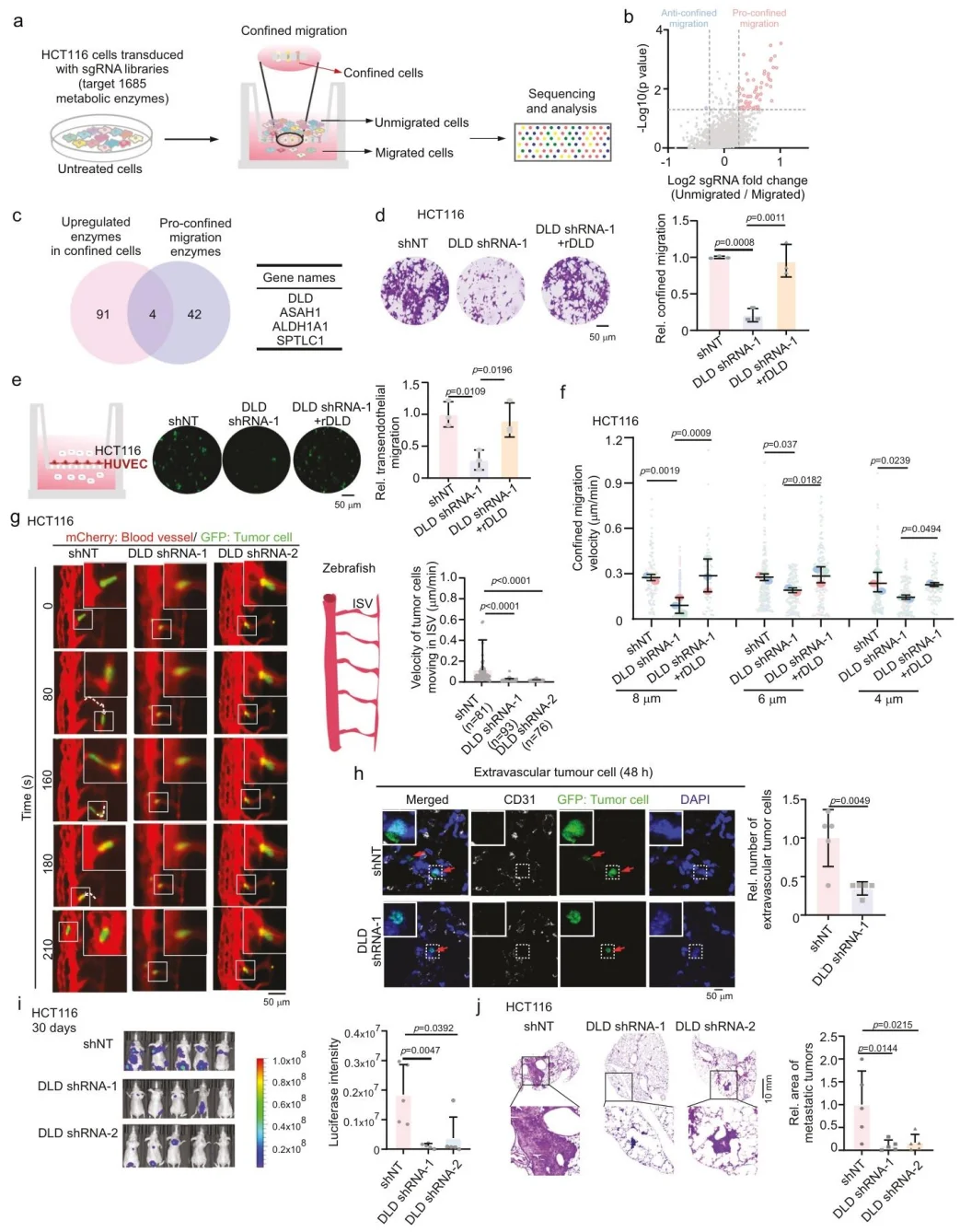
Figure 1. DLD is essential for tumor cell migration through confined spaces and subsequent distant metastasis.
2. DLD Mitochondrial Enzymatic Activity Is Central to Metastasis, and the Small-Molecule Inhibitor MICA Efficiently Blocks Colorectal Cancer Metastasis
DLD functional rescue experiments demonstrated that its pro-migratory effect depends on its mitochondrial catalytic activity. The DLD inhibitor MICA significantly reduced metastatic tumor burden in mouse lung metastasis models and colorectal cancer PDX liver metastasis models, while also prolonging mouse survival. These findings demonstrate the potential of DLD as a therapeutically actionable target for inhibiting tumor metastasis.
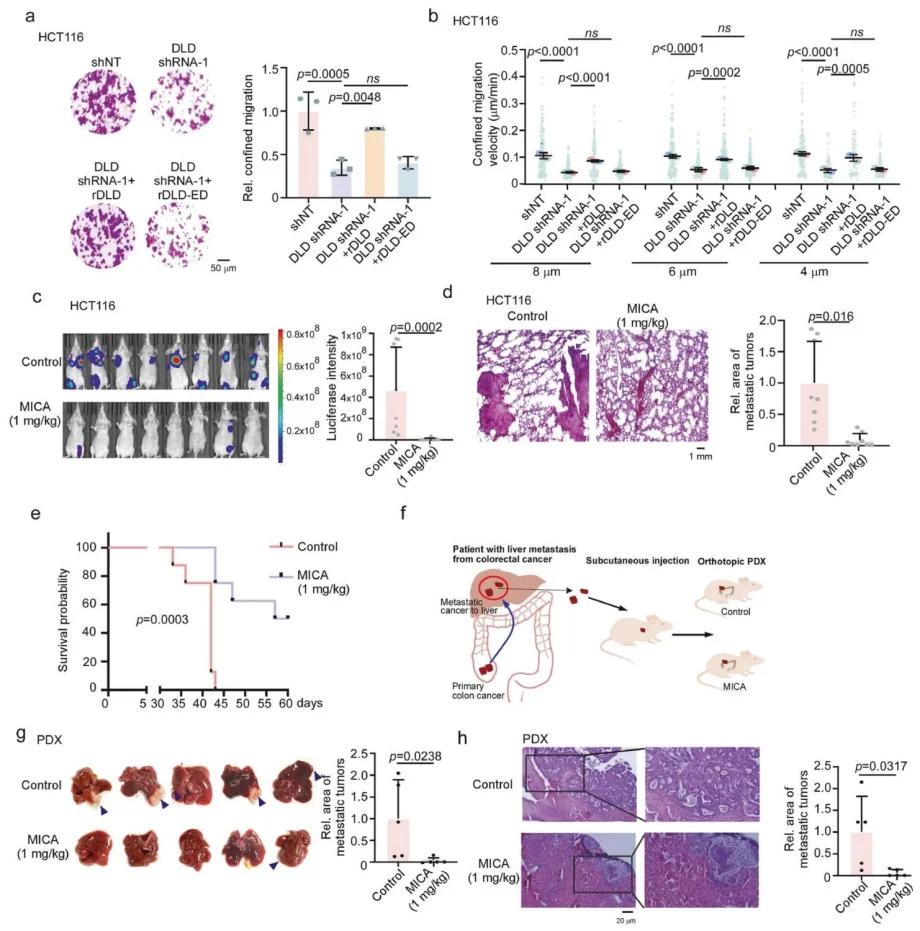
Figure 2. Pharmacological inhibition of DLD suppresses tumor metastasis.
3. Mechanical Compression Upregulates DLD Protein Expression Through a 3′ UTR-Mediated Post-Transcriptional Regulatory Pathway
In vitro compression experiments demonstrated that mechanical compression increases both DLD mRNA and protein levels. Clinical samples further showed that tumors exposed to vascular compression exhibited high DLD expression, which was associated with metastatic recurrence. Promoter assays ruled out transcriptional regulation. Instead, mRNA degradation assays and 3′ UTR reporter experiments demonstrated that mechanical compression increases DLD protein expression by prolonging the half-life of DLD mRNA.
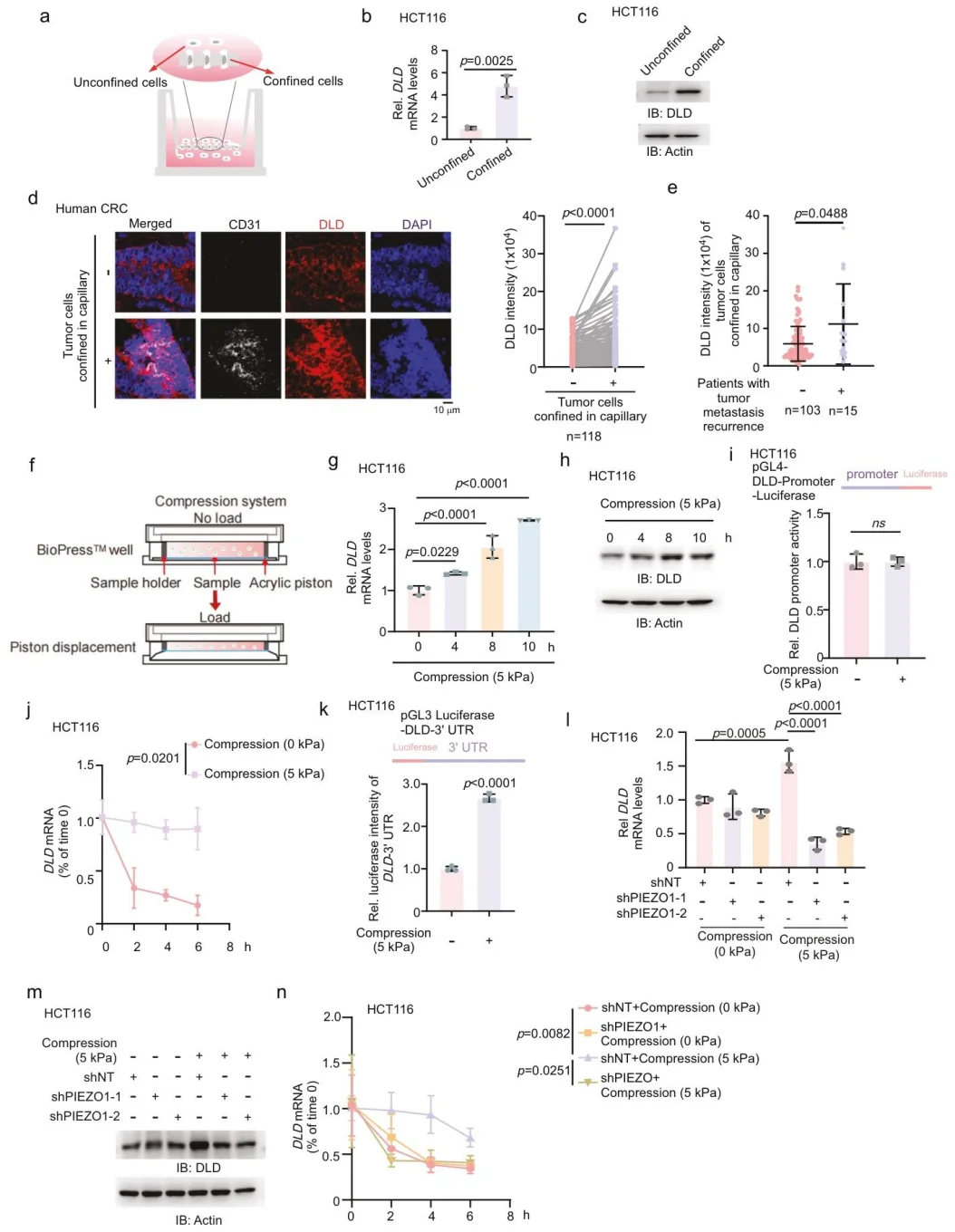
Figure 3. DLD mRNA is stabilized under compressive conditions in confined cells.
4. The RNA-Binding Protein hnRNPA0 Specifically Binds the ARE3 Element in the DLD 3′ UTR to Stabilize DLD mRNA
RNA pull-down followed by mass spectrometry identified the RNA-binding protein hnRNPA0 as a regulator of DLD expression. A series of truncation, pull-down, and gene knockout experiments demonstrated that hnRNPA0 binds to the ARE3 element within the DLD 3′ UTR, thereby suppressing DLD mRNA degradation. hnRNPA0 is therefore an essential mediator through which mechanical stress increases DLD expression.
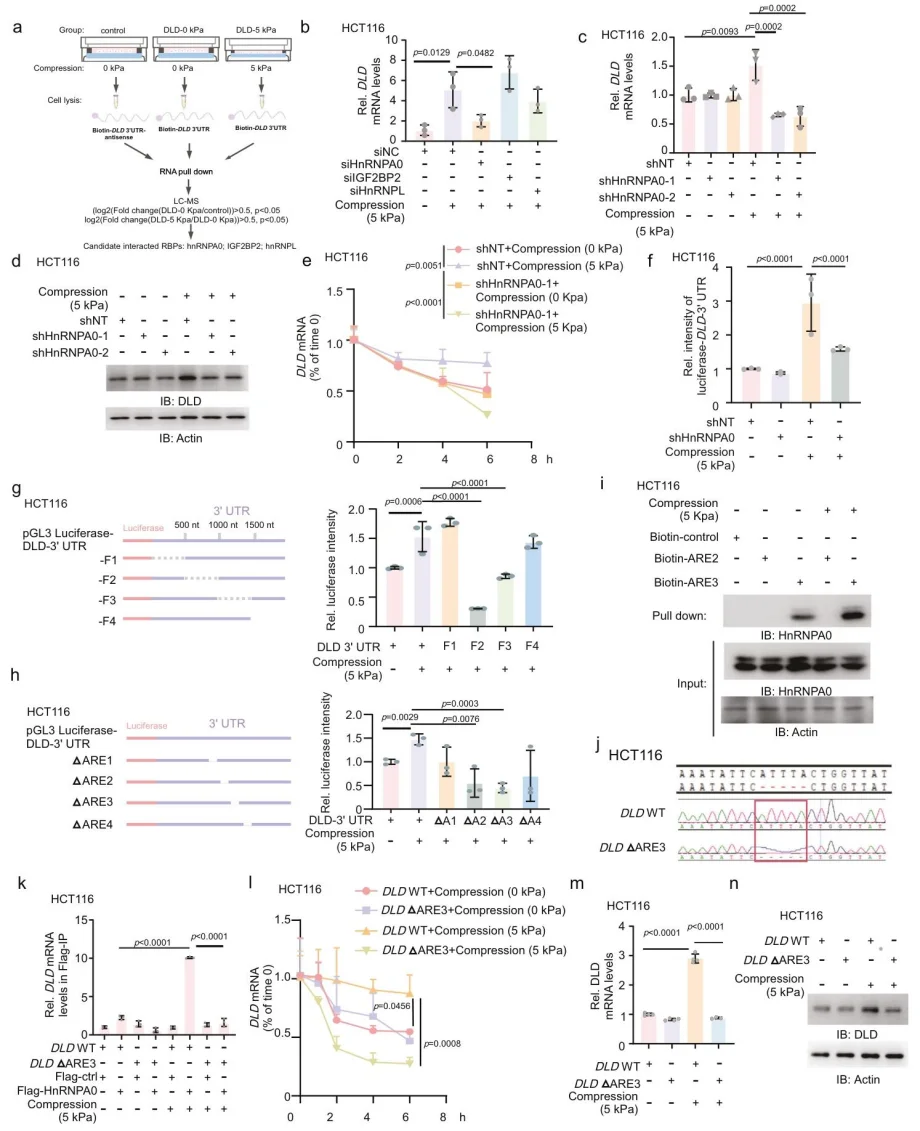
Figure 4. hnRNPA0 interacts with DLD mRNA during compression, stabilizing the mRNA and enhancing its expression.
5. Deletion of the DLD ARE3 Element Disrupts the hnRNPA0–DLD Axis and Suppresses Constrained Migration and Lung Metastasis In Vitro and In Vivo
Deletion of the endogenous ARE3 element in DLD significantly reduced the ability of tumor cells to migrate through confined spaces in vitro and markedly decreased lung metastatic lesions in mice. These results demonstrate that disrupting the interaction between hnRNPA0 and DLD mRNA can effectively eliminate the pro-metastatic effect induced by mechanical stress.
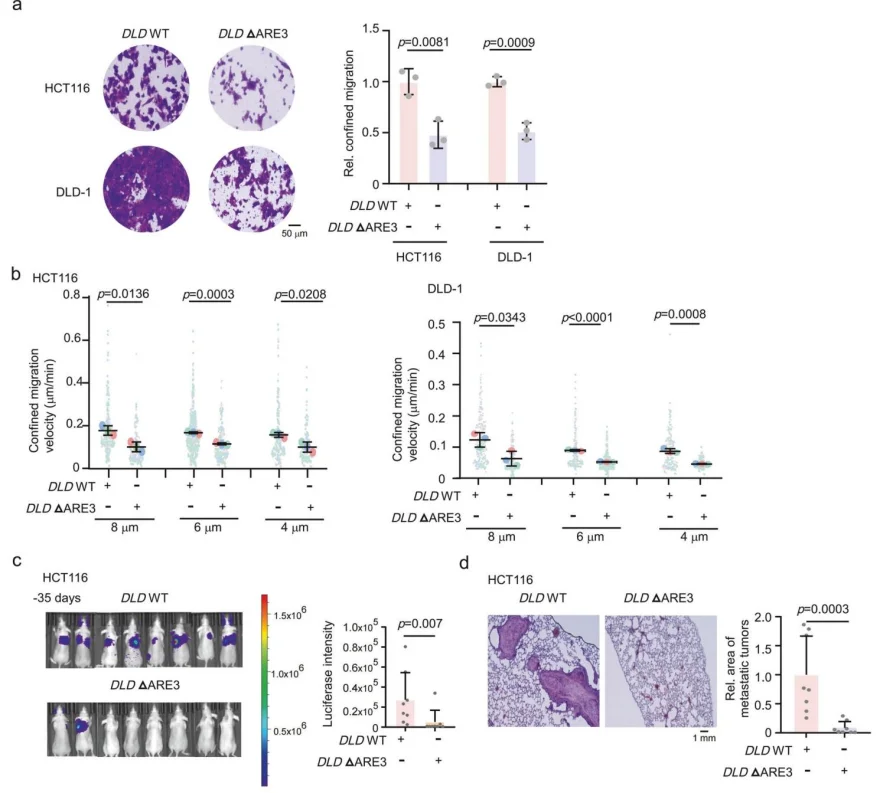
Figure 5. hnRNPA0-dependent stabilization of DLD mRNA promotes tumor cell migration through confined spaces and drives distant metastasis.
6. DLD Upregulates Malate, Which Directly Binds TUBA1B to Regulate Microtubule Assembly and Mediate Constrained Tumor Cell Migration
Metabolomic analysis showed that increased DLD expression primarily resulted in enrichment of malate. Exogenous malate rescued the migration defects of DLD-deficient cells. Mass spectrometry and microscale thermophoresis (MST) confirmed that malate directly binds the microtubule protein TUBA1B. Disrupting this interaction impaired microtubule polymerization and suppressed tumor cell migration through confined spaces and distant colonization in vivo.
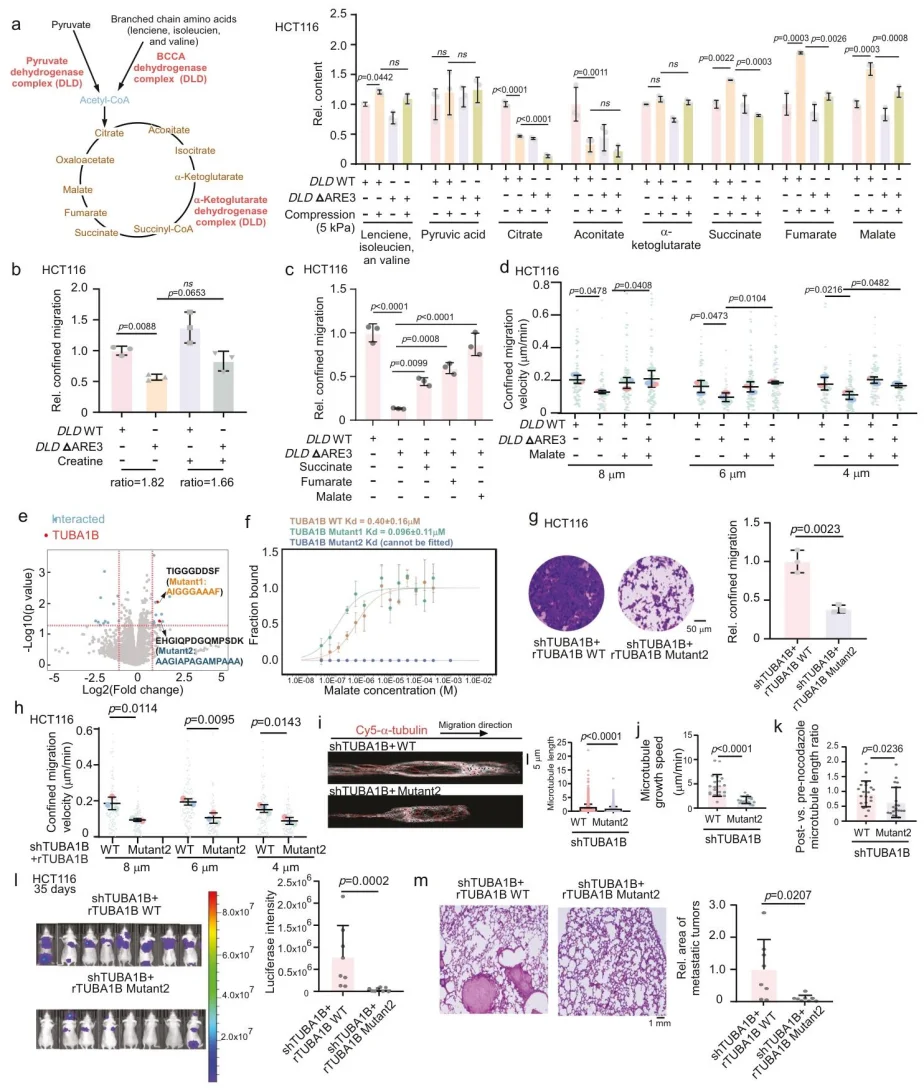
Figure 6. hnRNPA0-dependent stabilization of DLD mRNA promotes migration through confined spaces via the malate–TUBA1B interaction.
Summary
Through a metabolic enzyme CRISPR screen, this study elucidated a mechanism in which mechanical compression stabilizes DLD mRNA through hnRNPA0, leading to increased malate production and direct interaction with TUBA1B, thereby promoting microtubule assembly and enabling colorectal cancer cells to migrate through confined spaces and metastasize to distant organs. Clinical samples showed that high DLD expression in intravascular tumors was associated with an increased risk of metastasis. Meanwhile, the DLD inhibitor MICA suppressed tumor dissemination with limited toxicity. Overall, this study establishes a previously unrecognized mechanical force–metabolism–cytoskeleton regulatory pathway and identifies DLD as a potential therapeutic target for preventing metastasis. The findings provide a potential combination-treatment strategy for reducing distant recurrence in advanced colorectal cancer.
Ubigene Biosciences CRISPR-iScreen™ Library
CRISPR-iScreen™ is an innovative technology independently developed by Ubigene Biosciences, designed to achieve efficient CRISPR screening. Currently, Ubigene Biosciences offers over 40 types of ready-to-ship CRISPR library plasmids , covering whole-genome knockout/inhibition/activation libraries for human, mouse, green monkey, pig, and other species; in addition, there are CRISPR knockout/inhibition/activation sub-libraries constructed for kinases, cell cycle, membrane proteins, metabolism, and other related genes to help you easily achieve target screening! We also provide 150+ ready-to-ship library viruses, 1000+ library Cell Pool products, one-stop CRISPR library (in vivo/in vitro) functional screening services, and library NGS sequencing services, ready to support your research needs at any time.
Inquire Now! Promotions