
CRISPR Screening Identifies Synergistic Targets for Combination Therapy in BRAF-Mutant Colorectal Cancer

Introduction
Approximately 10% of colorectal cancers (CRCs) harbour BRAF(V600E) mutations and are associated with aggressive disease and limited therapeutic options. Although BRAF inhibitors combined with EGFR blockade are approved treatments, rapid resistance and relapse remain major challenges. The RNA-binding protein HuR regulates oncogenic mRNA processing and stability and promotes tumour growth and therapeutic resistance, yet effective small-molecule inhibitors have remained elusive. In this study, the authors identified the CRBN-dependent molecular glue degrader dHuR through chemical proteomic screening and resolved the CRBN–MGD–HuR ternary complex by cryo-EM, demonstrating that dHuR induces HuR polyubiquitination and proteasomal degradation. HuR loss promotes BRAF exon 18 skipping, reducing BRAF protein expression and sustaining suppression of MAPK signalling. dHuR effectively inhibited both BRAF inhibitor-sensitive and resistant tumours. Kinome CRISPR screening revealed that EGFR or MEK inhibition synergizes with dHuR, establishing a new targeted degradation strategy for refractory BRAF-mutant CRC.
Key Innovations
- Development of the first CRBN molecular glue degrader targeting HuR, enabling efficient degradation of an otherwise difficult-to-drug RNA-binding protein.
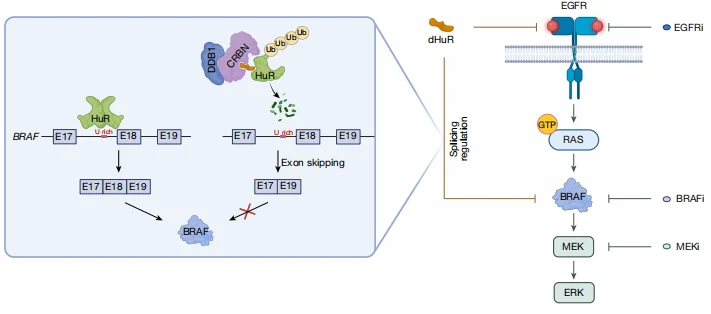
- Discovery of a new mechanism by which HuR regulates BRAF alternative splicing: HuR binds a U-rich element in BRAF intron 17 and maintains the productive BRAF transcript, whereas HuR loss induces exon skipping and generates a poorly translated truncated isoform.
- Identification of dual antitumour mechanisms of dHuR: dHuR suppresses multiple oncogenic signals, including BRAF, EGFR and VEGF, thereby inhibiting MAPK-driven proliferation and tumour angiogenesis.
- Establishment of a combination-treatment strategy: HuR degradation can overcome feedback MAPK reactivation associated with BRAF inhibitor resistance, supporting the combination of molecular glue degraders with kinase inhibitors.
Research Workflow
- Compound discovery: A CRBN molecular glue library was screened by proteomics and optimized to identify the potent HuR degrader dHuR-2.
- Structural and mechanistic characterization: Cryo-EM analysis of the CRBN–dHuR–HuR ternary complex identified the HuR G58 loop/G-loop degron as a key determinant of degradation.
- Cellular efficacy: dHuR-2 selectively inhibited BRAF-mutant CRC cells, while genetically engineered degrader-resistant mutants confirmed target dependence.
- Downstream mechanism: Multi-omics and RNA interaction assays revealed that HuR maintains BRAF expression by regulating exon 18 splicing.
- Resistance and combination therapy: dHuR-2 overcame BRAF inhibitor resistance, while kinome CRISPR screening identified EGFR and MEK as synergistic targets. PDX models further validated the antitumour activity of single-agent and combination treatments.
Research mechanisms
Results
1. Proteomic screening identifies a potent HuR molecular glue degrader
The study established a CRBN molecular glue library containing more than 10,000 compounds. Following HTRF-based screening for CRBN binders and comparative proteomic profiling in CRBN WT and CRBN-KO cells, HuR was identified as a CRBN-dependent neosubstrate; Structure–activity relationship optimization yielded dHuR-2, with a DC50 of 3.8 nM. Proteomic profiling showed selective degradation of HuR, ZFP91 and ZMYM2, while the Hu protein paralogues HuB, HuC and HuD were spared. Proteasome and NEDD8 inhibition blocked HuR degradation, confirming that dHuR acts through the CRBN–ubiquitin–proteasome pathway.
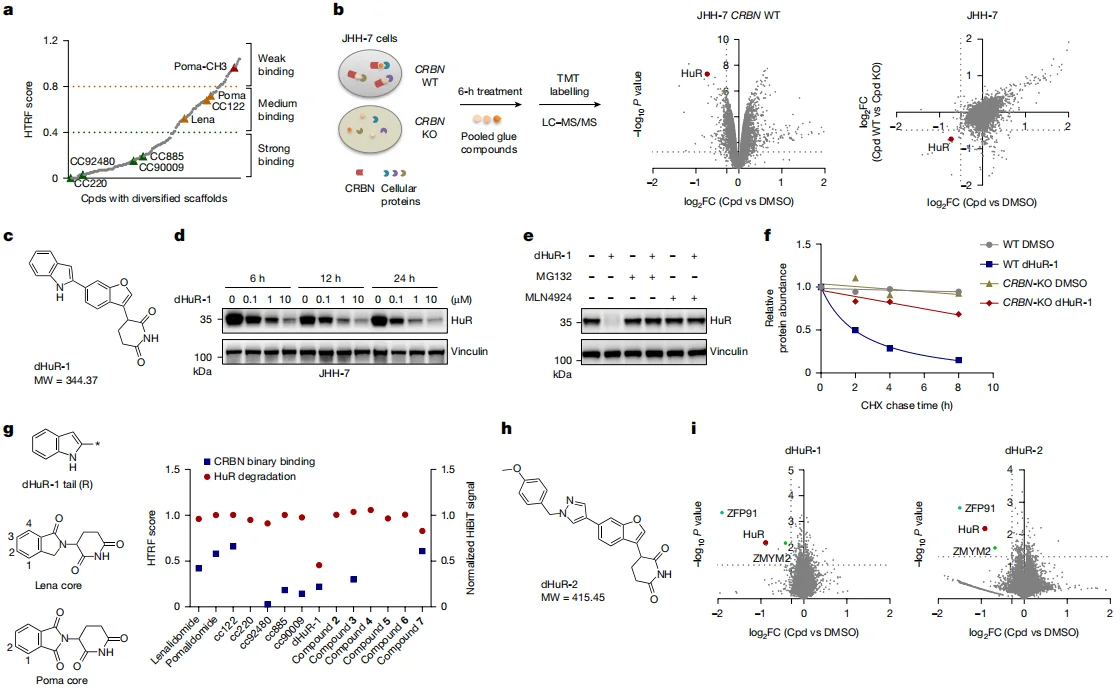
Fig. 1. Identification of dHuRs
2. Cryo-EM reveals the CRBN–dHuR–HuR ternary complex and HuR degron
SPR and NanoBRET assays confirmed that dHuR promotes CRBN–HuR engagement. The 3.3 Å cryo-EM structure showed that the benzofuran core of dHuR forms a composite protein–protein interaction surface, while the HuR G58 loop serves as the key degron recognized by CRBN. The G58N mutation disrupted ternary complex formation and abolished degradation. An in vitro reconstituted ubiquitination assay further demonstrated that dHuR drives CRBN-mediated HuR polyubiquitination, providing structural and biochemical evidence for the molecular basis of HuR degradation.
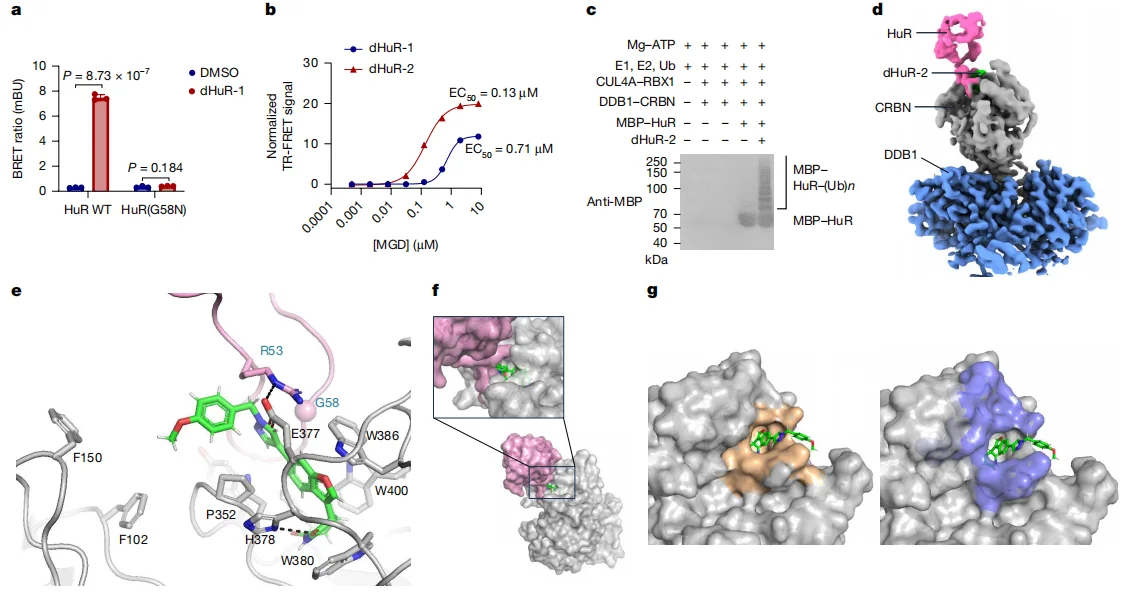
Fig. 2. Characterization of CRBN–MGD–HuR ternary complex formation
3. dHuR selectively suppresses BRAF-mutant CRC growth
DepMap analysis revealed a strong association between HuR dependency and BRAF mutation status. Across 13 CRC cell lines, dHuR-2 potently reduced the viability of BRAF-mutant cells, whereas BRAF WT cells remained largely resistant despite efficient HuR degradation; CRISPR-mediated HuR knockout recapitulated the phenotype, while CRBN knockout or the degrader-resistant HURG58A mutation abolished dHuR activity, confirming its CRBN- and HuR-dependent mechanism. In Colo205 xenografts, oral dHuR-2 treatment produced dose-dependent tumour growth inhibition without significant body-weight loss and sustained suppression of MAPK signalling.
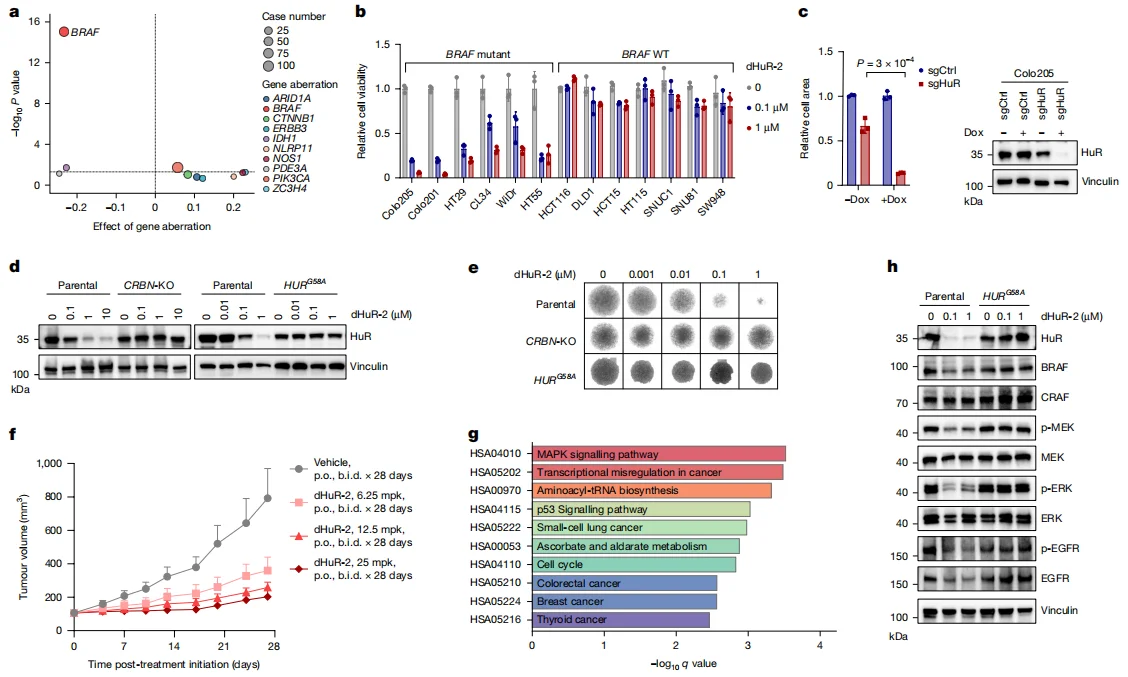
Fig. 3. HuR degradation exhibits selective efficacy in BRAF-mutant CRC and suppresses MAPK signaling
4. HuR regulates BRAF alternative splicing through direct RNA binding
dHuR-2 did not significantly alter total BRAF mRNA abundance but strongly promoted BRAF exon 18 skipping, generating the BRAF-X2 isoform. BRAF-X2 showed markedly reduced translation efficiency and failed to activate ERK phosphorylation. RIP, RNA pull-down and SPR assays demonstrated that HuR directly binds a U-rich element in BRAF intron 17. Deletion or mutation of this element abolished HuR-dependent splicing regulation. This mechanism is human-specific because the conserved U-rich sequence is absent from mouse Braf. Overexpression of an intronless, constitutively active BRAF partially rescued dHuR-mediated cytotoxicity, demonstrating that BRAF splicing regulation is a key mechanism underlying the antitumour activity of dHuR.
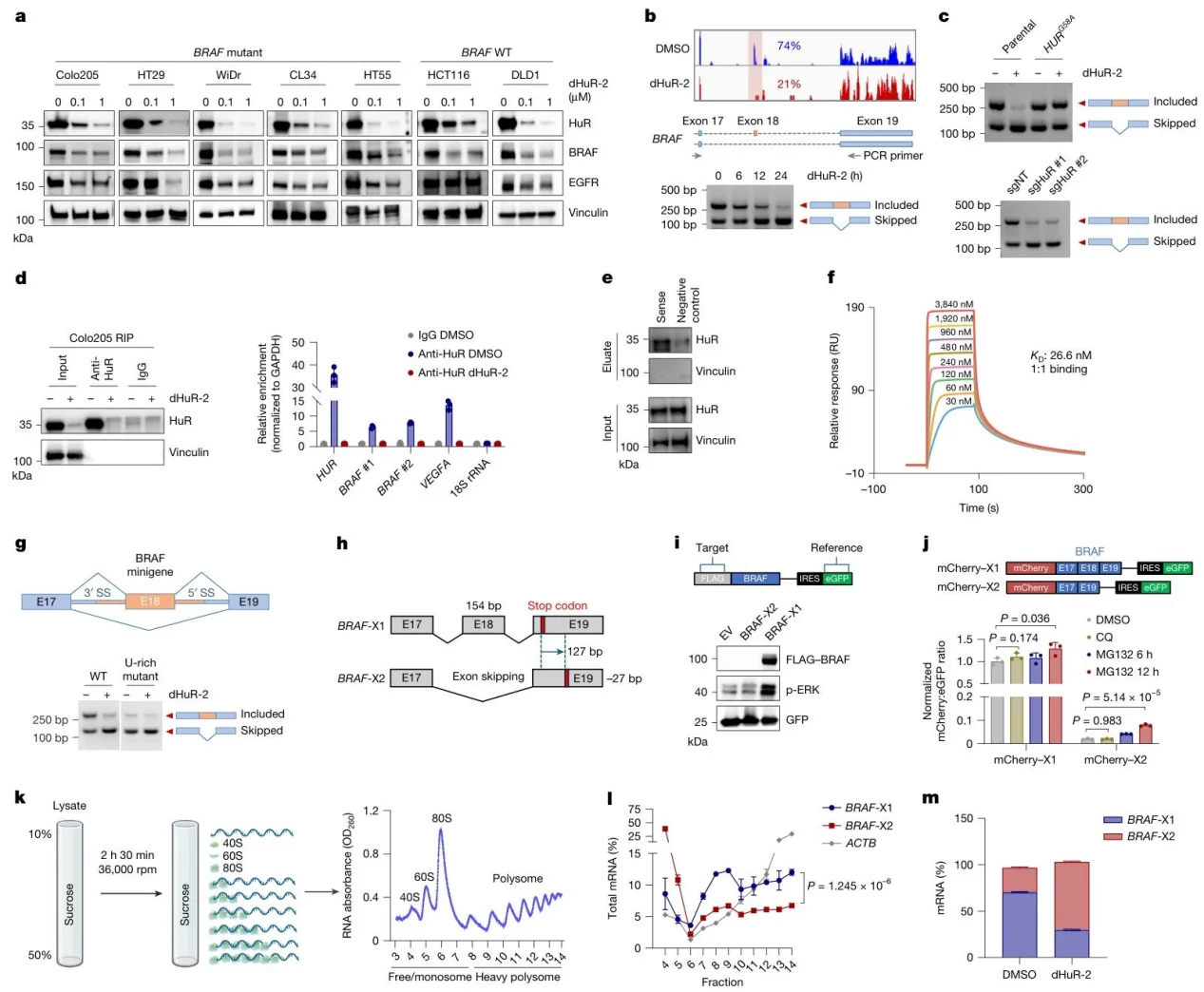
Fig. 4. HuR regulates BRAF splicing through direct RNA binding
5. dHuR overcomes BRAF inhibitor resistance, while kinome CRISPR screening reveals EGFR/MEK synergy
BRAF inhibitor-resistant CRC cells generated by long-term drug exposure remained highly dependent on HuR. dHuR continued to suppress BRAF and EGFR and prevented BRAFi-induced ERK feedback reactivation. Kinome CRISPR knockout screening further showed that loss of EGFR or MEK markedly sensitized cells to dHuR. Across multiple cell models and patient-derived xenograft (PDX) models, dHuR combined with BRAF, EGFR or MEK inhibitors produced synergistic antitumour effects. Mechanistically, the combination provides multi-level inhibition of MAPK signalling while reducing VEGF-mediated tumour angiogenesis.
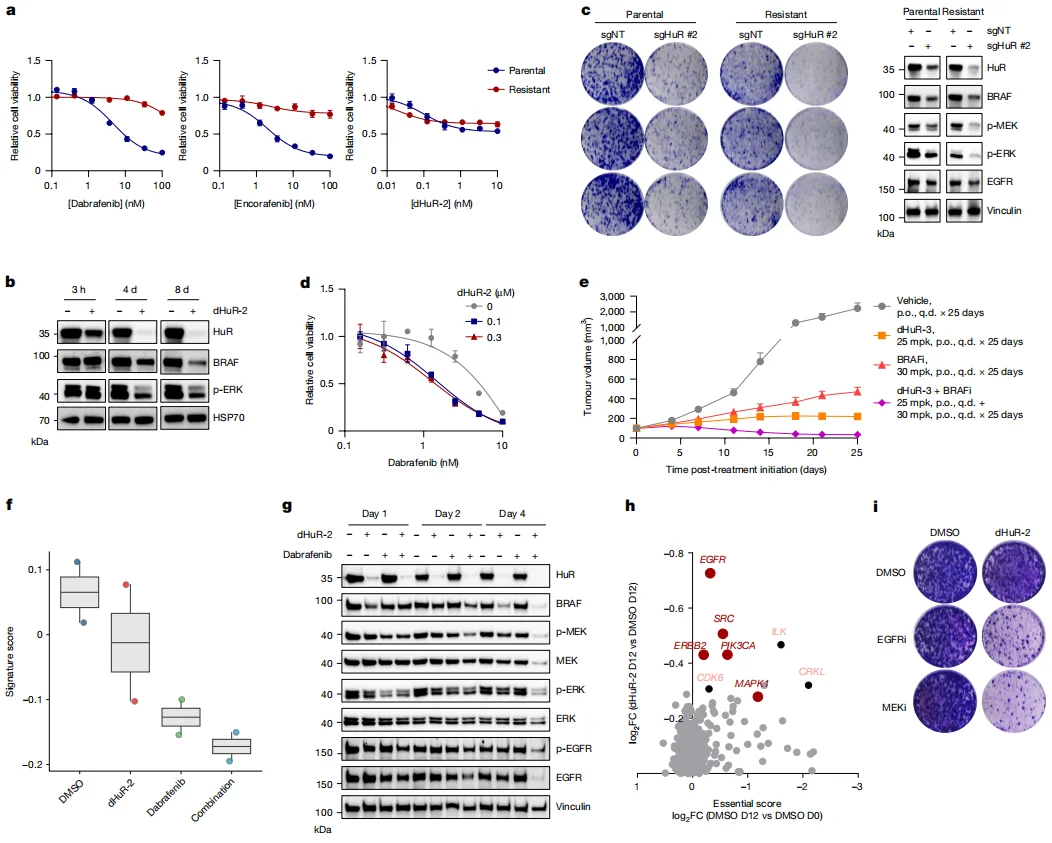
Fig. 5. HuR degradation overcomes BRAFi resistance through sustained pathway suppression
Conclusion
This study identified and optimized the CRBN molecular glue degrader dHuR targeting HuR and characterized the CRBN–MGD–HuR ternary complex by cryo-EM. The work uncovered a new mechanism in which HuR directly binds BRAF intronic RNA to regulate alternative splicing and maintain oncogenic BRAF expression. dHuR selectively suppresses BRAF-mutant CRC, overcomes BRAF inhibitor resistance and shows favourable oral antitumour activity in vivo; Kinome CRISPR screening further established synergistic combinations with EGFR/MEK inhibitors, providing a potential translational strategy for molecular glue degraders in refractory BRAF-mutant CRC, and a broader framework for targeting previously difficult-to-drug RNA-binding proteins.
Ubigene Biosciences CRISPR-iScreen™ Library
CRISPR-iScreen™ is an innovative technology independently developed by Ubigene Biosciences, designed to achieve efficient CRISPR screening. Currently, Ubigene Biosciences offers over 40 types of ready-to-ship CRISPR library plasmids , covering whole-genome knockout/inhibition/activation libraries for human, mouse, green monkey, pig, and other species; in addition, there are CRISPR knockout/inhibition/activation sub-libraries constructed for kinases, cell cycle, membrane proteins, metabolism, and other related genes to help you easily achieve target screening! We also provide 150+ ready-to-ship library viruses, 1000+ library Cell Pool products, one-stop CRISPR library (in vivo/in vitro) functional screening services, and library NGS sequencing services, ready to support your research needs at any time.
Inquire Now! Promotions