
ENO2-MIF Axis Regulates M2 Macrophage Polarization to Drive Colorectal Cancer Liver Metastasis

Literature Overview
Colorectal cancer liver metastasis (CRLM) is the primary cause of mortality in colorectal cancer patients. Current targeted and immunotherapies yield limited therapeutic efficacy. The M2 macrophage-mediated immunosuppressive microenvironment serves as a core driver of metastasis and treatment resistance, yet the key mechanisms by which tumor cells regulate macrophage polarization remain poorly understood. Enolase 2 (ENO2), a canonical glycolytic enzyme, has been shown to participate in malignant tumor progression. However, whether it mediates the remodeling of the colorectal cancer immune microenvironment and regulates hepatic metastasis remains unclear. Leveraging single-cell and spatial transcriptomics, this study systematically deciphered the role of ENO2 in CRLM, clarified the molecular mechanism by which ENO2 binds and stabilizes MIF to induce M2 macrophage polarization, and screened for a small-molecule inhibitor targeting this interaction, thereby providing a novel mechanistic target and clinical intervention strategy for CRLM.
Research Workflow
- Single-cell atlas analysis to profile cell characteristics in CRLM and screen the metastasis-specific key gene ENO2;
- Clinical cohort and bioinformatic validation of the correlation between high ENO2 expression, poor prognosis, and liver metastasis;
- In vitro and in vivo validation demonstrating that ENO2 promotes CRC malignant progression and liver metastasis;
- Mechanistic investigation: ENO2 directly binds to MIF, inhibiting CHIP-mediated ubiquitination and degradation;
- Elucidation of molecular details: ENO2 recruits HSP90 to form a tripartite complex, competitively protecting MIF from degradation;
- Validation that the ENO2-MIF axis induces M2 macrophage polarization to promote liver metastasis;
- Virtual screening identifying pyrithioxin as an inhibitor of the ENO2-MIF interaction, validating its anti-metastatic efficacy in vivo.
Main Results
1. Single-Cell Atlas Reveals Significantly Enhanced Malignancy in Liver Metastatic Lesions
Compared with primary CRC tumors, cancer cells from CRLM liver metastases exhibited higher copy number variation (CNV) scores, greater genomic instability, and significant transcriptional upregulation of proliferation drivers and hypoxia-responsive genes. At the functional level, metastatic cancer cells demonstrated markedly enhanced proliferative capacity and hypoxia adaptation, confirming a higher malignant phenotype in liver metastatic lesions .
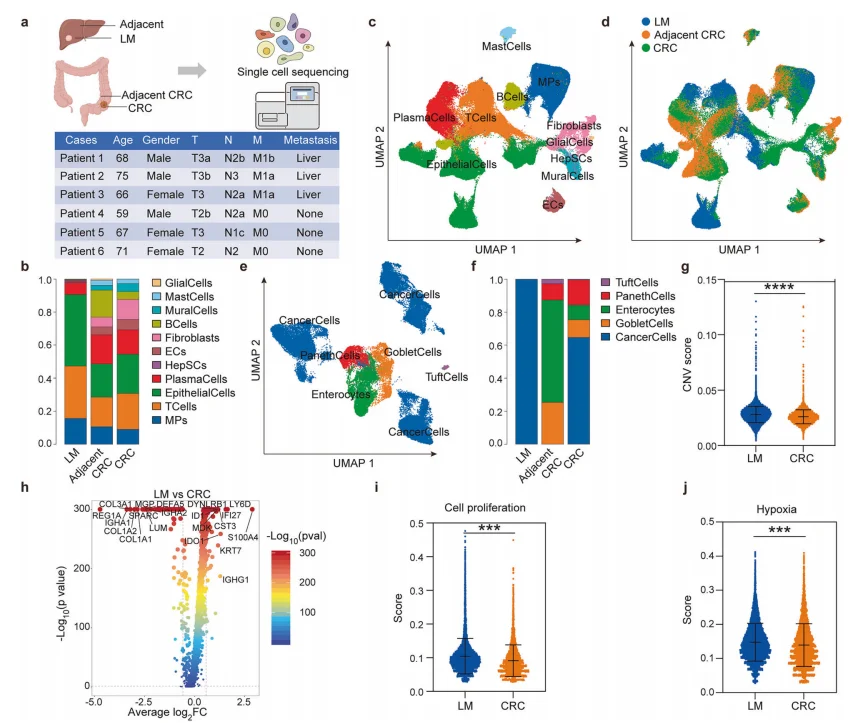
Figure 1. Single-Cell Atlas Reveals Enhanced Malignancy in Liver Metastatic Lesions.
2. Module-Based Analysis Identifies Metastasis-Primed Subpopulations and Core Gene ENO2
Module-based single-cell analysis identified cancer cell subpopulations with metastatic potential. Screening differentially expressed genes in 'Module 11' combined with prognostic modeling pinpointed ENO2 as the core candidate ; this subpopulation highly expressed epithelial-mesenchymal transition (EMT) signatures, representing a metastasis-initiating cell population within primary tumors.
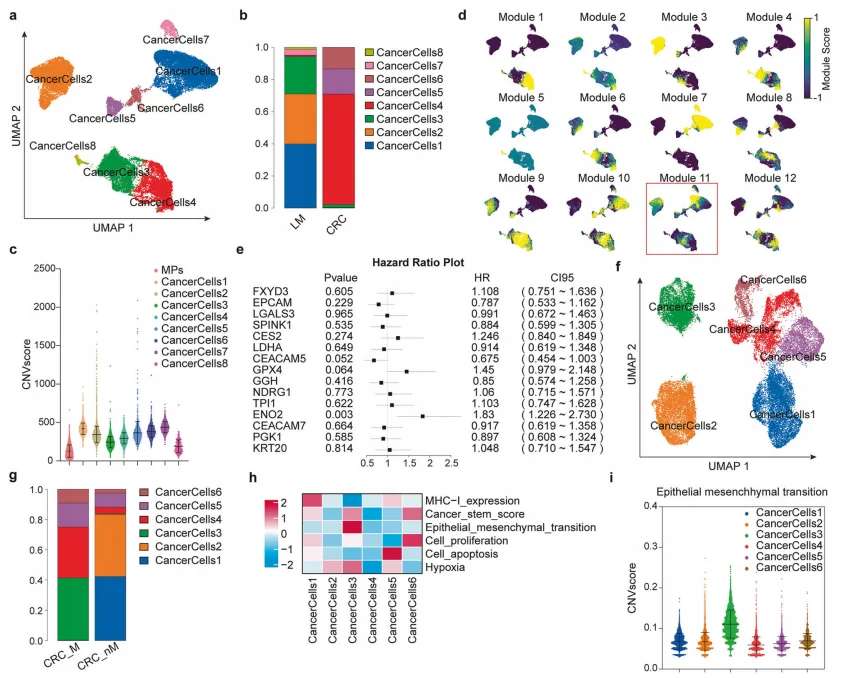
Figure 2. Module-Based Discovery of Metastasis-Primed Cancer Cell Subpopulations
3. High ENO2 Expression Predicts Poor Prognosis in CRC and Markedly Promotes Liver Metastasis In Vitro and In Vivo
Validation across multiple clinical cohorts and public databases demonstrated that ENO2 was significantly upregulated in primary CRC and liver metastases, with high expression correlating with markedly reduced patient survival; ENO2 knockout suppressed tumor growth and reduced hepatic metastatic nodules , while pharmacological inhibition of ENO2 similarly blocked metastatic progression, and ENO2 positively regulated the expression of EMT markers.
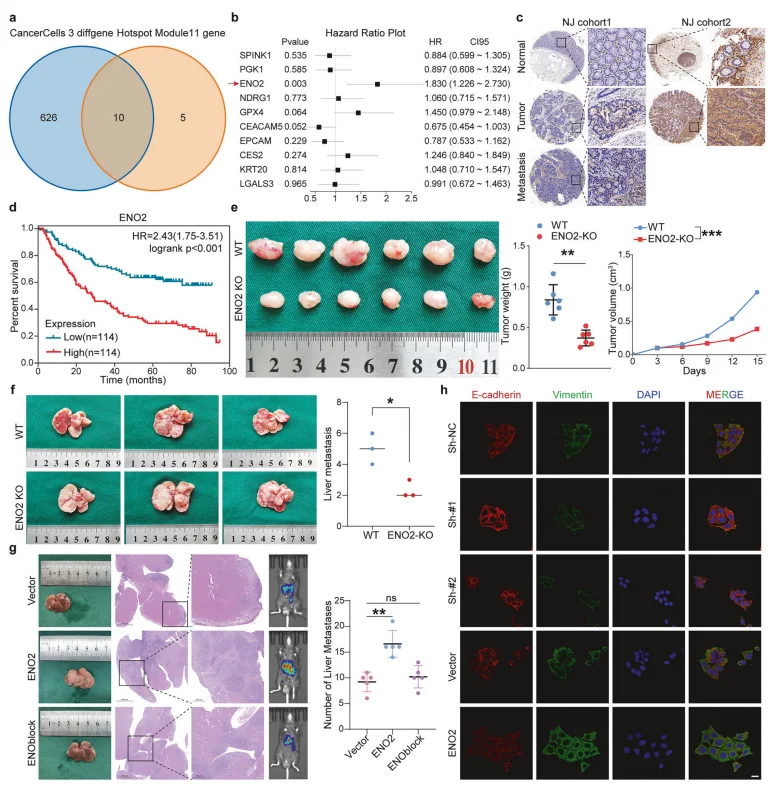
Figure 3. ENO2 Drives Metastatic Progression and Serves as a Therapeutic Target
4. Direct Interaction Between ENO2 and MIF Regulates Tumor-Macrophage Crosstalk and Induces M2 Polarization
CellChat communication analysis revealed highly activated MIF signaling in ENO2⁺ cancer cells; Co-IP, GST pull-down, and domain-mutation assays confirmed direct physical binding between ENO2 and MIF; spatial transcriptomics demonstrated significant co-localization of ENO2⁺ cancer cells with M2 macrophages in liver metastases , where MIF mediated tumor-macrophage signal crosstalk to drive M2 polarization.
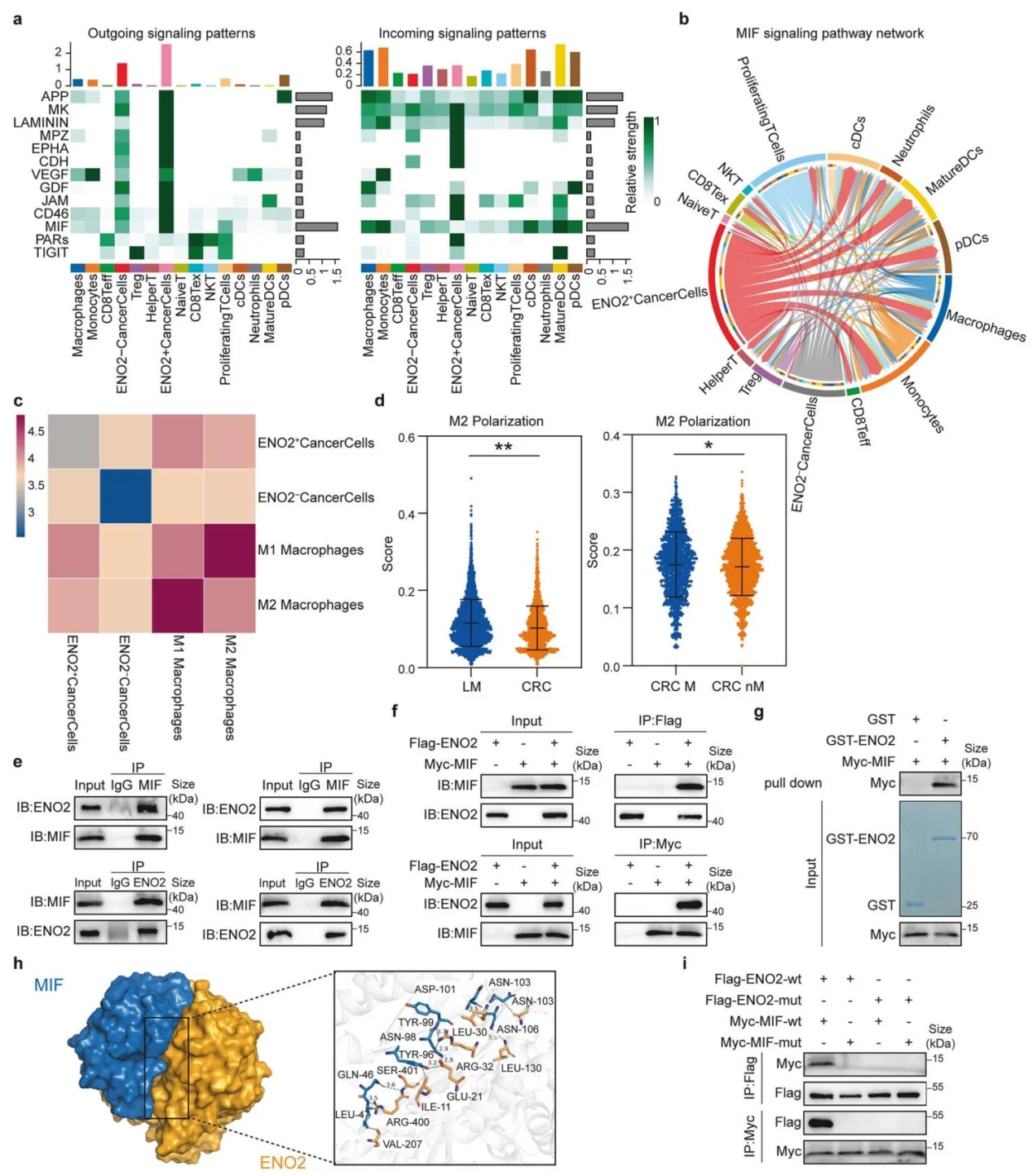
Figure 4. ENO2 Orchestrates M2 Macrophage Polarization through Direct Interaction with MIF
5. ENO2 Inhibits CHIP-Mediated Ubiquitination and Degradation to Stabilize MIF and Activate Downstream Pathways
ENO2 upregulated MIF protein abundance without altering its transcription; mechanistically, ENO2 inhibited E3 ubiquitin ligase CHIP-mediated polyubiquitination and degradation of MIF, extending its protein half-life; this in turn activated STAT3 and NF-κB p65 phosphorylation , initiating downstream pro-metastatic and immunosuppressive signaling cascades.
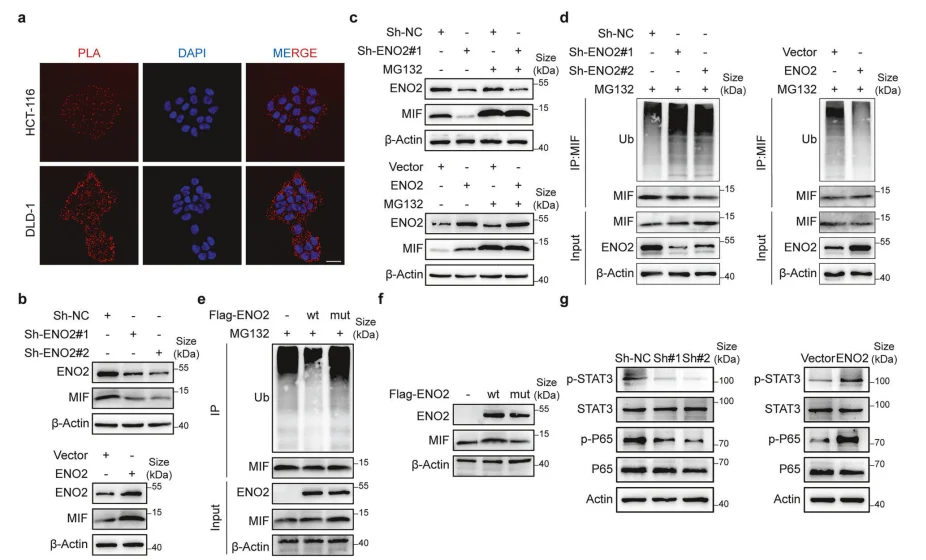
Figure 5. ENO2 Stabilizes MIF by Inhibiting Ubiquitin-Mediated Degradation.
6. ENO2-MIF Axis Regulates M2 Macrophage Polarization In Vitro and In Vivo to Drive Liver Metastasis
In vitro cell co-cultures and patient-derived organoid (PDO) co-culture models confirmed that ENO2 overexpression upregulated M2 markers and downregulated M1 markers; in animal models, MIF inhibitors or M2 polarization inhibitors reversed ENO2-driven metastasis, whereas MIF overexpression or M2 agonists rescued the metastasis-suppressed phenotype of ENO2 knockout cells, establishing that ENO2 promotes liver metastasis via MIF-dependent M2 macrophage polarization .
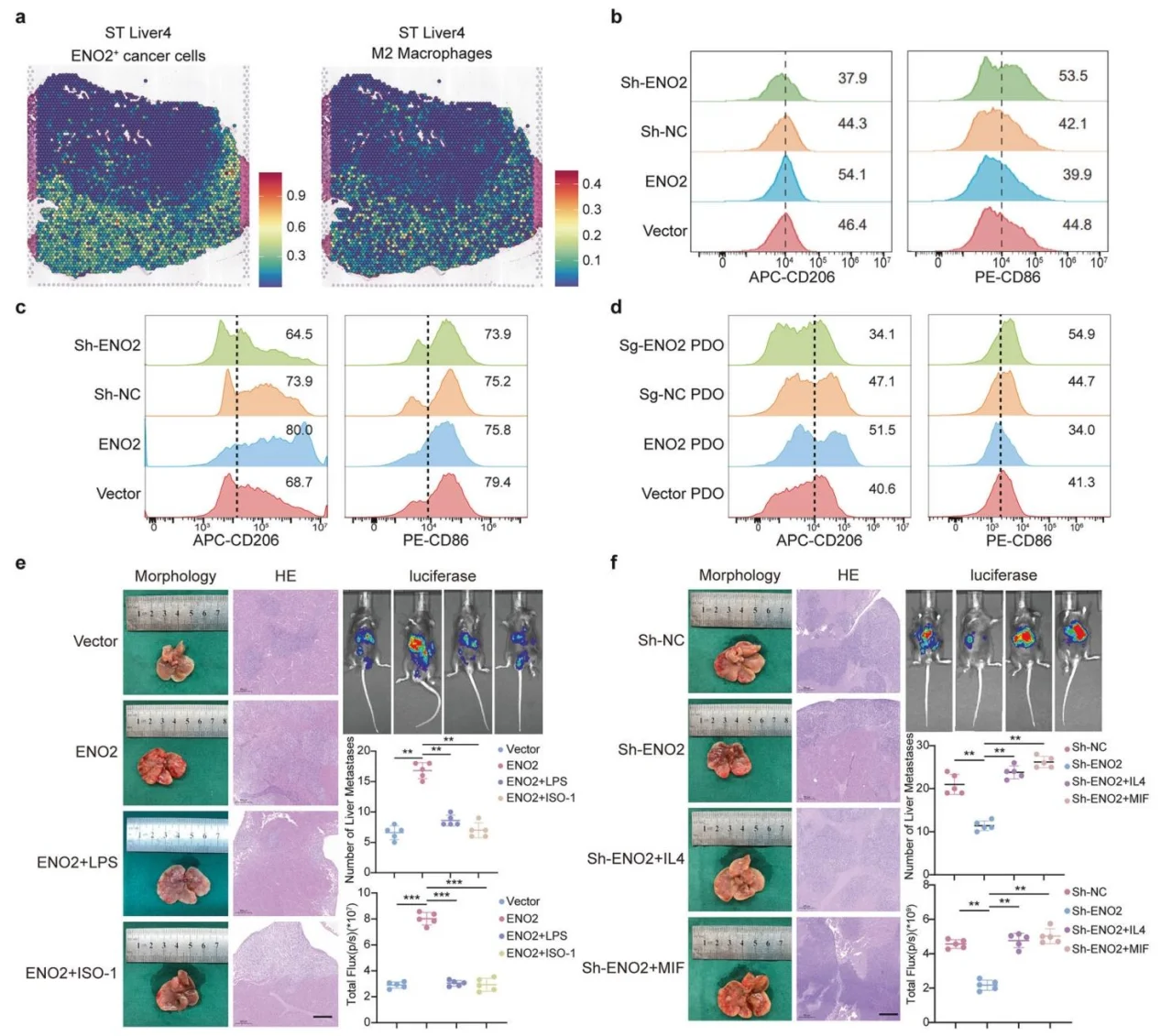
Figure 6. ENO2 Induces M2 Macrophage Polarization to Drive Liver Metastasis
7. ENO2 Recruits HSP90 to Form a Tripartite Complex Antagonizing CHIP-Mediated MIF Degradation
ENO2 recruited the molecular chaperone HSP90 to form an ENO2-HSP90-MIF tripartite complex; competitively blocking CHIP recognition of MIF, site-directed mutagenesis identified lysine 66 (K66) of MIF as the critical ubiquitination site, fully clarifying the molecular details of ENO2-mediated MIF stabilization.
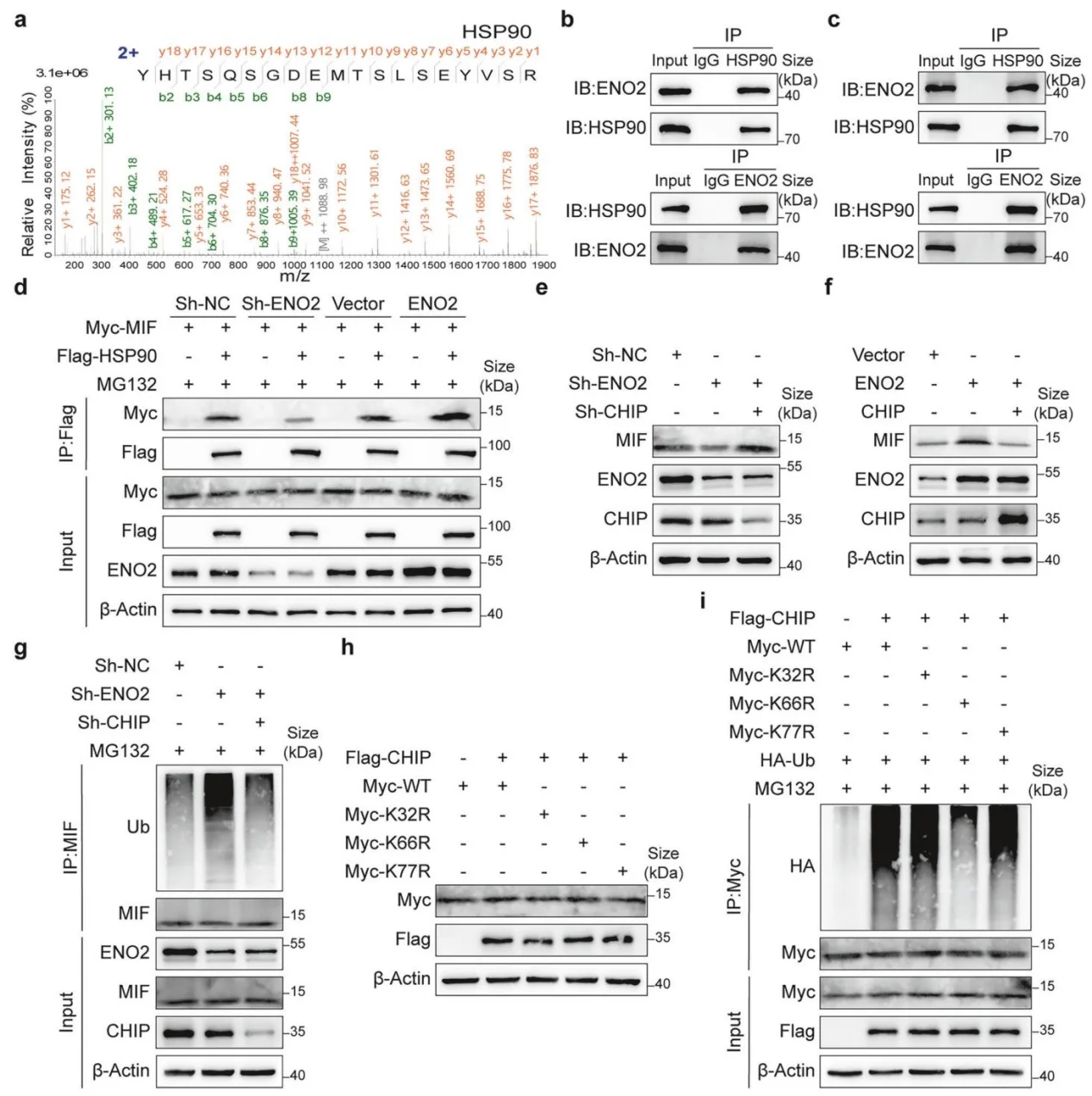
Figure 7. ENO2 Recruits HSP90 to Antagonize CHIP-Mediated Ubiquitination and Degradation of MIF
8. Identification and Validation of Pyrithioxin as an ENO2-MIF Interaction Inhibitor and Its Anti-Metastatic Effect In Vivo
Virtual screening and molecular dynamics simulations identified pyrithioxin targeting the ENO2-MIF interface, disrupting their interaction and promoting MIF ubiquitination and degradation; in vivo administration significantly reduced hepatic metastatic burden, downregulated MIF and downstream STAT3 and NF-κB activation, demonstrating promising potential for clinical translation.
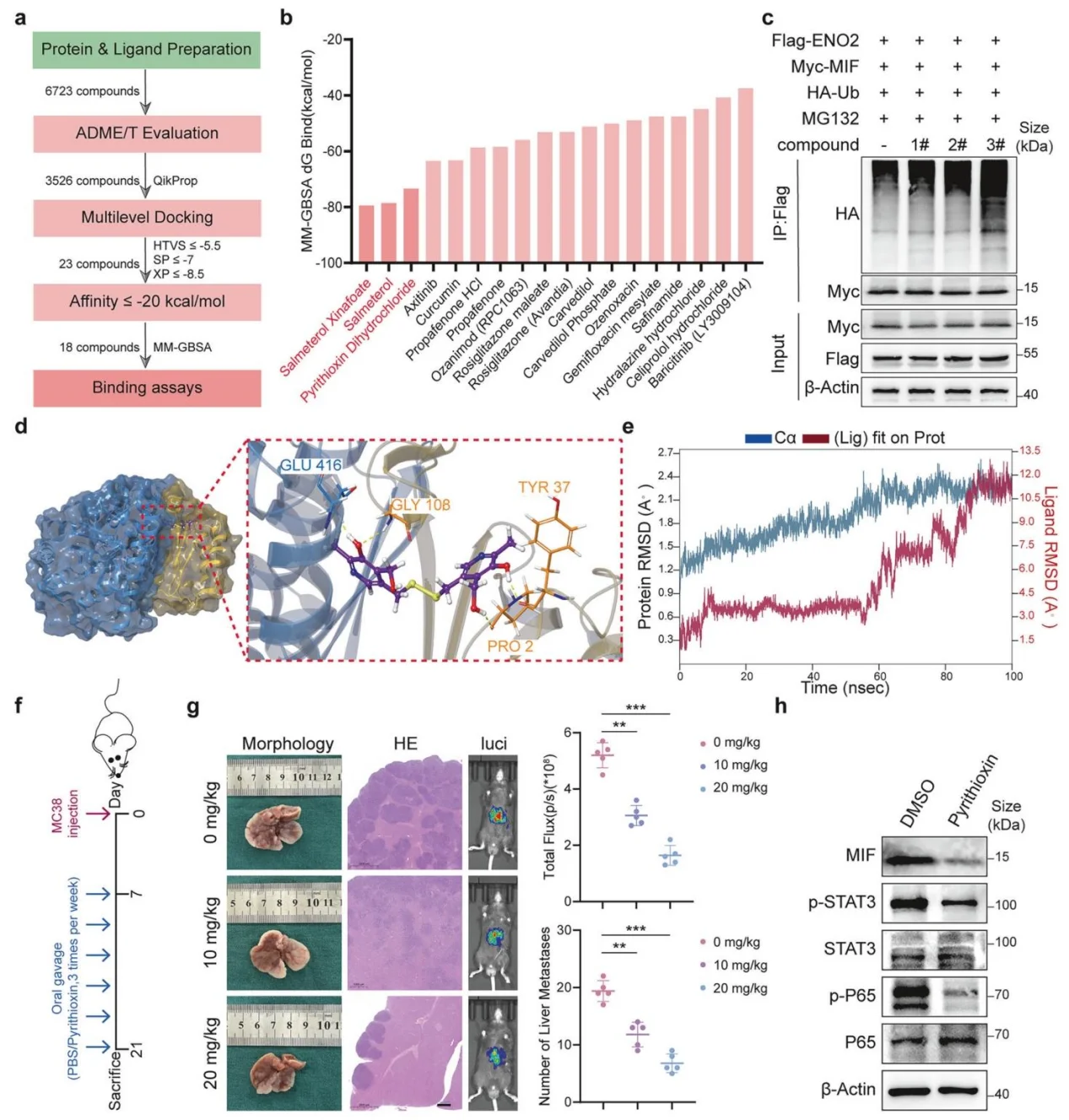
Figure 8. Identification and Validation of Pyrithioxin as an ENO2-MIF Interaction Inhibitor and Its Anti-Metastatic Effect In Vivo
Significance and Innovations
- Conceptual Innovation: First to define the ENO2-MIF axis as a novel regulatory pathway in CRLM, uncovering a non-metabolic function of glycolytic ENO2 in reshaping the tumor immune microenvironment through protein-protein interactions;
- Mechanistic Innovation: Elucidated a novel molecular mechanism wherein ENO2 recruits HSP90 to antagonize CHIP-mediated MIF polyubiquitination and degradation, uncovering a new signaling pathway by which tumor cells direct macrophage M2 polarization;
- Technological Innovation: Integrated single-cell and spatial transcriptomics to precisely map the spatial interaction and co-localization between ENO2⁺ cancer cells and M2 macrophages;
- Translational Innovation: Identified the repurposed drug pyrithioxin targeting the ENO2-MIF interface to potently suppress liver metastasis, providing a cost-effective, rapidly translatable targeted immunotherapy strategy for CRLM, particularly in refractory MSS patients.
Conclusion
Utilizing single-cell and spatial transcriptomics, this study identified and validated ENO2 as a pivotal driver of colorectal cancer liver metastasis ; ENO2 directly binds to MIF and recruits HSP90 to inhibit CHIP-mediated ubiquitination and degradation, thereby stabilizing MIF protein and activating STAT3/NF-κB signaling, which in turn induces M2 macrophage polarization , constructs an immunosuppressive metastatic niche, and drives CRLM progression. Targeting the ENO2-MIF interface with pyrithioxin effectively suppresses hepatic metastasis in vivo , offering vital theoretical insights and experimental foundations for mechanistic understanding, prognostic biomarker development, and targeted clinical therapies for CRLM.
Original Article Link: https://doi.org/10.1038/s41392-026-02732-2
Ubigene Gene Editing Services and Products
Ubigene has consistently adhered to the core concept of "Making Gene Editing Easier", continuously iterating products and services, accumulating over 13,000+ successful gene editing cases, and offering 10,000+ KO cell line products . Based on self-developed innovative technologies, gene editing efficiency is increased by 10–20 times compared to traditional methods. Currently, Ubigene has provided high-quality gene editing services and products to over 10,000 life science laboratories, pharmaceutical enterprises, and CRO companies.
The ENO2 gene (also known as NSE) belongs to the Enolase family, encoding an enzyme essential for glycolysis as well as intracellular signaling regulation. If you are interested in conducting research on ENO2, Ubigene provides ENO2 knockout cell lines covering HCT-116, HCT-15, and 293T cell lines, along with many more popular target KO cell lines, with guaranteed WB validation! If you have customized gene editing needs, feel free to reach out to us!
 Promotions