
Dual-action GPNMB CAR-T therapy clears glioblastoma and reshapes the myeloid-suppressive microenvironment

Introduction
Glioblastoma (GBM) is highly heterogeneous, with tumour-associated macrophages (TAMs) dominating the immunosuppressive tumour microenvironment (TME). Conventional CAR-T therapies often provide only transient responses because of antigen loss and myeloid-mediated barriers. In this study, a multi-omic target discovery platform identified GPNMB as a dual-compartment surface antigen shared by malignant and myeloid cells. A second-generation anti-GPNMB CAR-T was developed that simultaneously eliminates GPNMB⁺ glioma stem cells (GSCs) and immunosuppressive GPNMB⁺ TAMs, In PDX, humanized, and immunocompetent mouse models, this CAR-T achieved long-term tumor control and even curative responses in recurrent GBM, establishing a new dual-targeting paradigm for myeloid-rich solid cancers.
Methods
- Multi-omic screening of CD133± GSCs, validated across multiple clinical dimensions, confirmed that GPNMB is highly expressed in recurrent GBM and minimally expressed in normal brain tissue.
- CRISPR knockout demonstrated that GPNMB promotes glioma proliferation and maintains aggressive mesenchymal transcriptional programs.
- Human and murine second-generation GPNMB CAR-T cells were generated, showing antigen-specific activation and killing of glioma cells and immunosuppressive macrophages in vitro.
- Multiple intracranial mouse models confirmed long-term tumor control and rescue of CD133 CAR-T–refractory recurrent tumors.
- A myeloid single-cell atlas revealed GPNMB as a marker of lipid-metabolism–associated M2-like macrophages; CAR-T treatment concurrently eliminated tumor cells and TAMs, reshaping the antitumor microenvironment.
Key Findings
1.GPNMB is a clinically safe, dual-compartment target in recurrent GBM
Multi-dimensional clinical validation confirmed GPNMB as an ideal therapeutic target. TCGA transcriptomic data, patient-derived GSC flow cytomestry, and paired primary/recurrent tumor proteomics and IHC all demonstrated elevated GPNMB expression in GBM, with negligible expression in normal brain tissue and neural cells. Single-cell RNA-seq of 18 primary and recurrent GBM specimens further revealed that GPNMB is specifically expressed in malignant cells and TAMs, the two key tumor-promoting populations, with minimal off-tumor expression in normal brain regions, supporting a favorable therapeutic window.
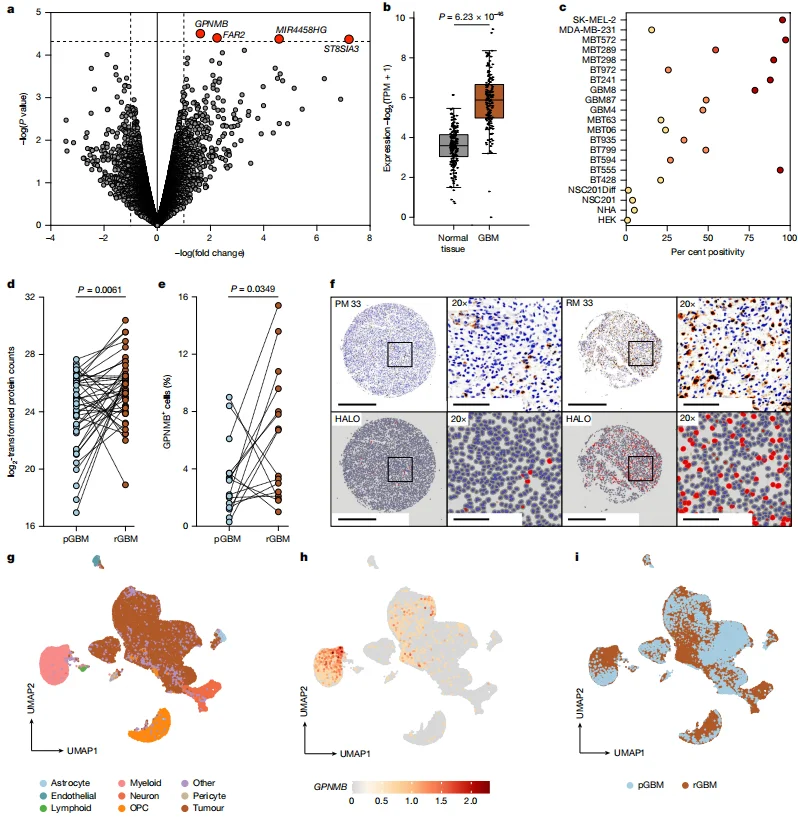
Figure 1. Identification of GPNMB as a clinically relevant target in GBM.
2.GPNMB directly drives malignant progression and immunosuppressive microenvironment remodeling
CRISPR-Cas9 knockout experiments confirmed that GPNMB is a critical oncogenic driver in glioma. In vitro, GPNMB knockout in human GSCs and murine GL261 cells markedly reduced proliferation. In vivo, both NSG human xenograft and immunocompetent C57BL/6 intracranial models showed that GPNMB-deficient tumors grew more slowly and significantly extended host survival. Transcriptomic analyses revealed that GPNMB loss suppressed aggressive mesenchymal programs, shifting tumor cells toward less malignant neural progenitor–like and astrocyte-like states, while simultaneously reducing myeloid-suppressive infiltration and increasing effector lymphocyte proportions, thereby disrupting the protumor crosstalk between GSCs and TAMs.
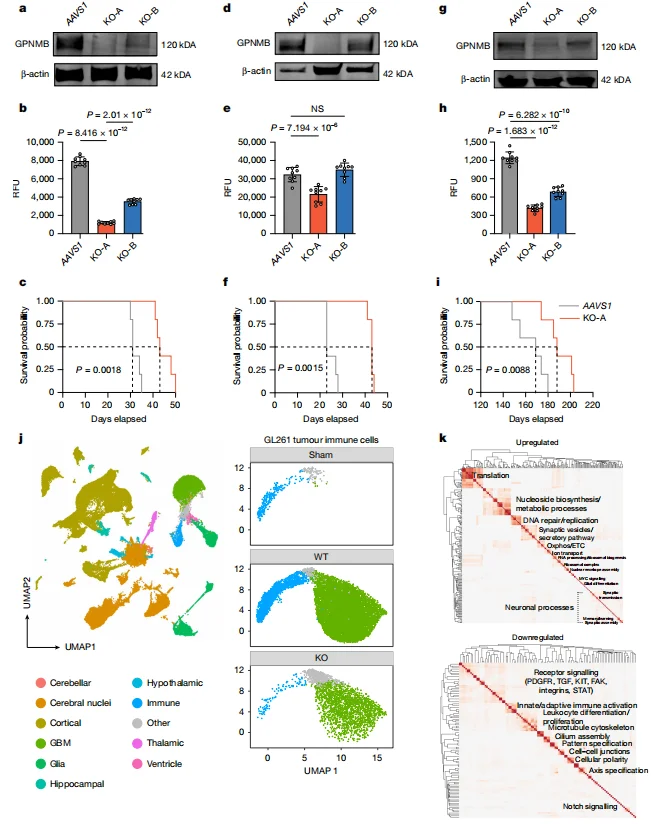
Figure 2. GPNMB functionally supports GBM progression and reprograms malignant states in vivo
3.Human GPNMB CAR-T cells exhibit antigen-specific tumor killing and T-cell activation
A second-generation anti-GPNMB CAR construct was generated, incorporating a CD8 hinge and transmembrane domain, 4-1BB costimulatory domain, and CD3ζ signaling motif, along with a GFP reporter. CAR-T cells derived from multiple healthy donors specifically lysed GPNMB⁺ glioma cells in a dose-dependent manner. CRISPR-mediated GPNMB knockout in target cells largely abrogated killing, confirming antigen dependence. Co-culture with tumor cells induced upregulation of activation markers CD25 and CD69, as well as increased secretion levels of IFN-γ and TNF-α, indicating mature effector function. Notably, GPNMB CAR-T cells achieved curative responses in primary GBM models and successfully rescued tumors relapsed after CD133 CAR-T treatment.
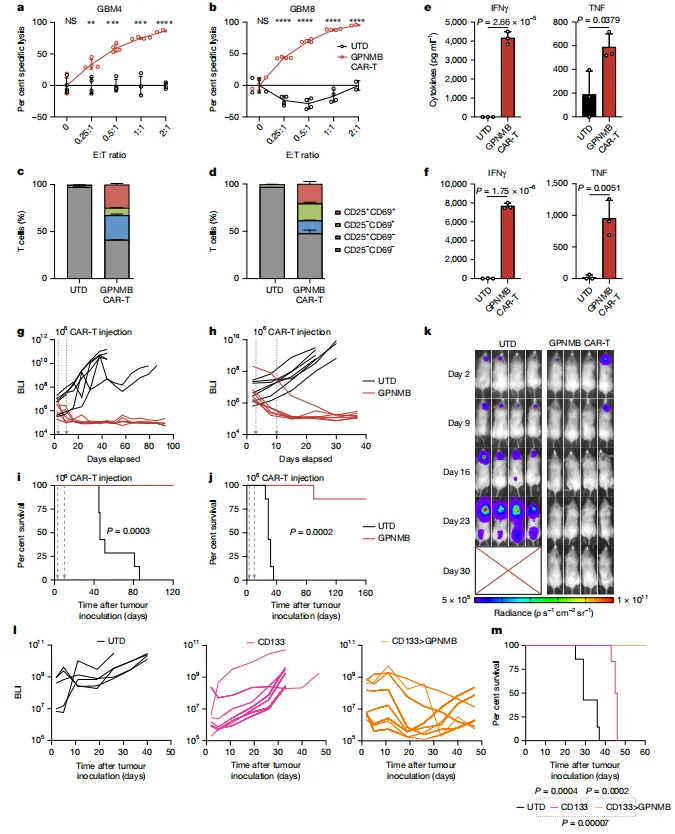
Figure 3. GPNMB CAR-T cells mount potent and curative anti-tumor responses against GBM
4.Humanized mouse models demonstrate GPNMB CAR-T–mediated remodeling of the human antitumor immune microenvironment
Using NOG-EXL humanized mice reconstituted with human lymphoid and myeloid lineages, intracranial GPNMB CAR-T administration significantly reduced tumor burden, with some mice showing near-complete tumour regression. Multiplex immunofluorescence revealed extensive infiltration of human CD4⁺ and CD8⁺ effector T cells, CAR-T cells, and memory T cells within tumors. Notably, the originally immunosuppressive CD163⁺ macrophages showed phagocytic activity and upregulated IFN-γ expression, indicating effective reversal of the suppressive phenotype. The study further confirmed that GPNMB CAR-T cells can dually eliminate tumor cells and immunosuppressive M2-like macrophages.
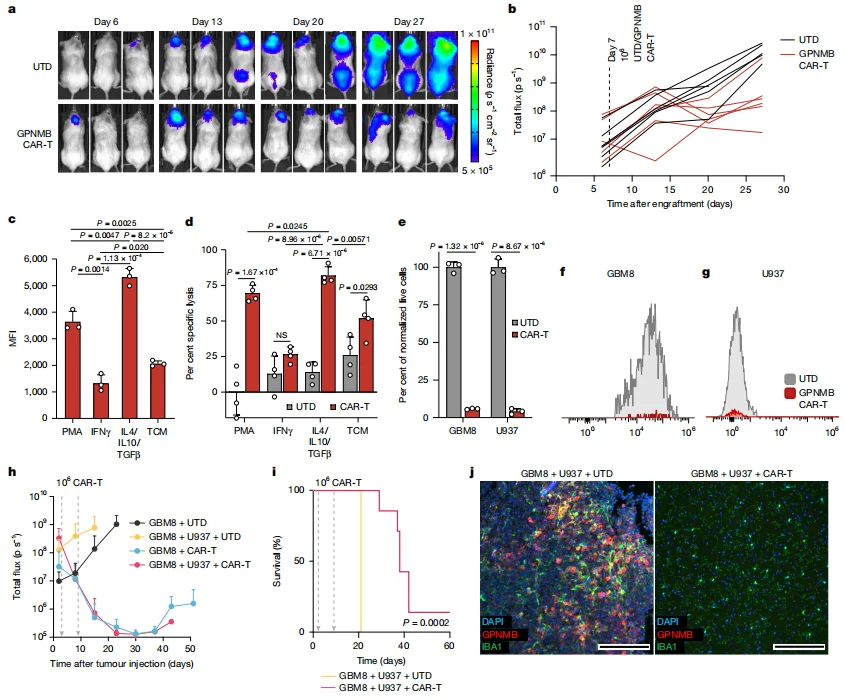
Figure 4. GPNMB CAR-T cells eliminate GPNMB⁺ tumor and myeloid cells
5.Murine GPNMB CAR-T cells achieve long-term glioma control in an immunocompetent setting
A murine-specific anti-GPNMB CAR incorporating a Thy1.1 reporter was generated and demonstrated potent lysis of GL261 glioma cells in vitro. In immunocompetent C57BL/6 mice bearing intracranial GL261 tumors, CAR-T treatment resulted in sustained tumor suppression and survival beyond 100 days, with no overt toxicity (e.g., body weight loss). Immunofluorescence of brain sections showed near-complete clearance of both GPNMB⁺ tumor cells and GPNMB⁺ macrophages post-treatment, confirming that this dual-targeting strategy remains highly effective in the presence of a fully intact endogenous immune system.
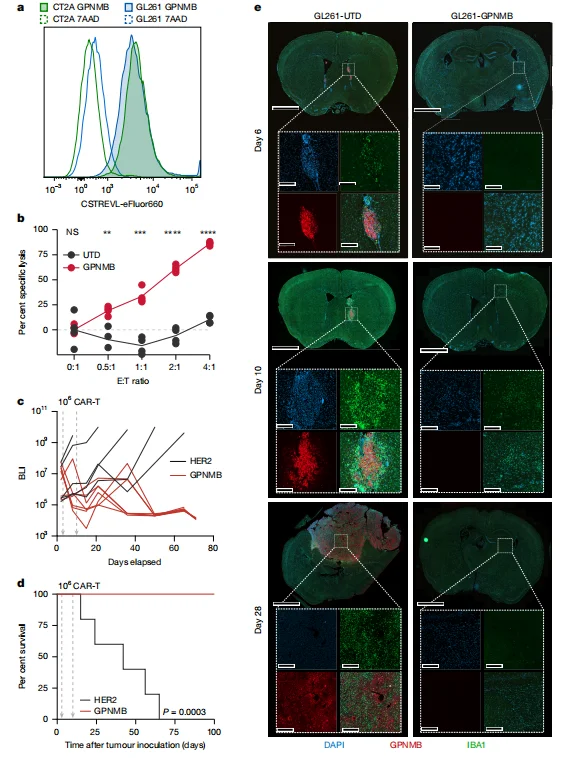
Figure 5. Murinized anti-mouse GPNMB CAR-T cells demonstrate control over syngeneic glioma models
Significance and Innovations
- Target and mechanism innovation: Identified GPNMB as a shared antigen on GBM stem cells and immunosuppressive TAMs, with low expression in normal brain tissue ensuring safety. Elucidated that GPNMB maintains mesenchymal invasive phenotypes and mediates TAM lipid-metabolism-associated immunosuppression, deepening our understanding of tumor-myeloid crosstalk.
- Therapeutic and translational innovation: Established a novel paradigm in which a single CAR simultaneously eliminates tumor cells and myeloid cells, overcoming antigen loss and TAM-mediated immune suppression. Demonstrated long-term efficacy across multiple preclinical models, with clear translational potential for intracranial delivery and application to other myeloid-rich solid tumors.
Summary
This study employed multi-omic screening to identify GPNMB as a shared antigen on GBM tumor cells and immunosuppressive TAMs, which is highly expressed in recurrent tumors and offers a favorable safety profile. GPNMB was shown to promote tumor proliferation and maintain aggressive mesenchymal programs. Second-generation human and murine GPNMB CAR-T cells were generated, displaying specific killing of GPNMB⁺ tumors and M2-like macrophages in vitro. In multiple intracranial models including PDX, recurrence-rescue, humanized, and immunocompetent systems, the CAR-T achieved sustained tumor control by concurrently eliminating GPNMB⁺ tumor cells and TAMs, thereby reshaping the antitumor microenvironment. The single-cell atlas confirmed GPNMB as a marker of lipid-metabolism–associated immunosuppressive macrophages, establishing a new therapeutic paradigm of single-CAR dual targeting of tumor and myeloid compartments, with promising translational potential for macrophage-rich solid tumors.
Ubigene has always adhered to the core concept of "Making Gene Editing Easier", continuously iterating products and services. It has accumulated over 13,000 successful gene editing cases and possesses 10,000+ KO cell products. Based on self-developed innovative technologies, its gene editing efficiency is improved by 10-20 times compared with traditional methods. Currently, Ubigene has provided high-quality gene editing services and products to over 10,000 life science laboratories, pharmaceutical companies, and CRO companies.
The protein encoded by GPNMB is a cell-surface glycoprotein predominantly expressed in the nervous and immune systems. It interacts with other cell-surface receptors and participates in various biological processes, including regulation of inflammatory responses and immune cell migration. If you are interested in pursuing research on GPNMB, Ubigene offers GPNMB knockout cell lines in multiple backgrounds (e.g., 143B, AC16, 293T) as well as KO cells for many other popular targets, with Western blot validation. For custom gene editing needs, please feel free to contact us!
 Promotions