EphB4: A Novel Synthetic Lethal Target in MYC-Driven TNBC

Introduction
MYC amplification and aberrant activation are common driver events in triple-negative breast cancer (TNBC). These tumors lack effective targeted therapies and are frequently associated with p53 loss of function, making them highly prone to resistance to chemotherapy and radiotherapy. Because the MYC protein is intrinsically disordered and lacks an ideal small-molecule binding pocket, it is difficult to target directly. Synthetic lethality has therefore emerged as a feasible strategy for indirectly targeting MYC-driven tumors. Previous studies of MYC synthetic lethality have mainly focused on metabolic and replication-stress pathways, while the identification of kinase targets remains underexplored. In this study, a kinase CRISPR screen identified EphB4 as a synthetic lethal gene in MYC-driven tumors. Inhibition of EphB4 downregulated PSMB5 transcription and disrupted proteostasis, thereby inducing p53-independent mitochondrial apoptosis. EphB4 inhibition also acted synergistically with Bcl-2 inhibitors. Targeting PSMB5 transcription may avoid the drug resistance associated with conventional proteasome inhibitors, providing a new therapeutic strategy for refractory TNBC.
Significance and Innovations
- This study is the first to identify EphB4 as a druggable synthetic lethal target in MYC-driven tumors and establishes a novel EphB4–PSMB5 proteasomal proteostasis synthetic lethal axis.
- The study elucidates a p53-independent killing pathway, addressing the challenge of therapeutic resistance associated with p53 mutations in TNBC.
- The study proposes targeting PSMB5 transcription rather than its enzymatic activity, thereby potentially circumventing mutation-mediated resistance to conventional proteasome inhibitors.
- The study demonstrates a synergistic antitumor effect from dual inhibition of EphB4 and Bcl-2, providing a new rationale for combination therapy.
Workflow
- 1. Screening and identification: A kinase CRISPR negative-selection screen identified EphB4 as a MYC synthetic lethal gene. Multiple cellular models confirmed that EphB4 knockout or pharmacological inhibition selectively killed MYC-high-expressing cells.
- 2. Apoptotic mechanism: EphB4 loss triggered Bcl-2-dependent mitochondrial apoptosis, and this killing effect was completely independent of p53.
- 3. Tumor validation: The selective toxicity of EphB4 inhibitors was confirmed in p53-mutant, MYC-high TNBC cells, while combination treatment with ABT-199 produced a synergistic antitumor effect.
- 4. Downstream target: An intersection analysis of transcriptomic data identified PSMB5 as the key effector gene, and PSMB5 knockdown recapitulated MYC-specific apoptosis.
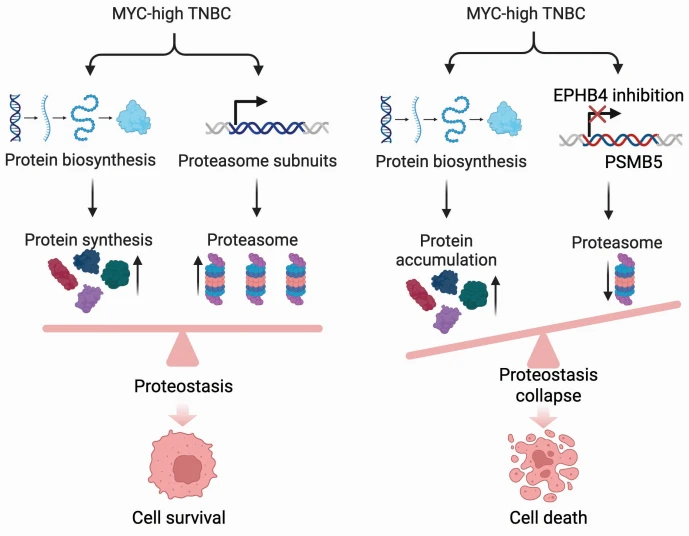
- 5. Complete pathway: EphB4 inhibition downregulated PSMB5 transcription, thereby disrupting overall proteasome function. MYC directly transcriptionally activated proteasome family genes, creating a dependence on protein degradation and establishing a complete synthetic lethal axis.
Mechanistic Model
Key Findings
1. CRISPR Kinase Screening Identifies EphB4 as a Synthetic Lethal Gene in MYC-Driven Cancer
In a kinase-focused CRISPR negative selection screen using inducible MYC-expressing cells, EphB4 sgRNAs were significantly depleted in the MYC-activated group. Multiple independent shRNAs, knockdown of EphB4 ligands, and treatment with a specific EphB4 inhibitor selectively induced apoptosis in MYC-activated cells, with minimal effects on cells with low MYC expression. This conserved synthetic lethal effect was further validated across multiple cell lines.
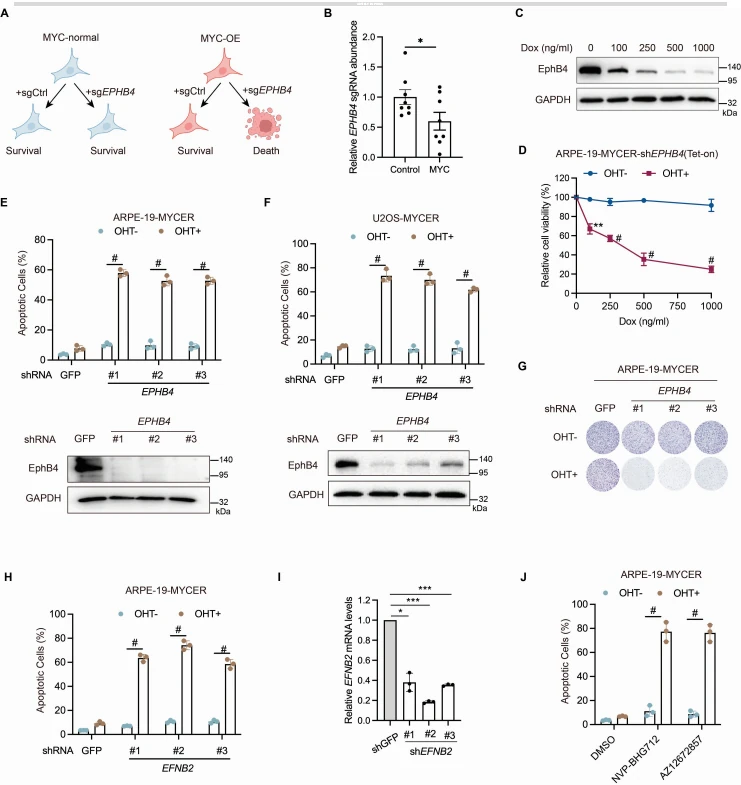
Figure 1. Knockout or inhibition of EphB induces MYC-dependent tumor cell killing
2. EphB4 Inhibition Triggers p53-Independent, Bcl-2-Sensitive Mitochondrial Apoptosis
Apoptosis was primarily mediated through the intrinsic mitochondrial pathway, with no significant involvement of the extrinsic FADD pathway. Cells with either wild-type or knockout p53 showed comparable sensitivity to EphB4 inhibitors. In vivo, treatment of ARPE19-MYC xenograft tumors resulted in a substantial reduction in tumor volume, with good tolerability in mice.
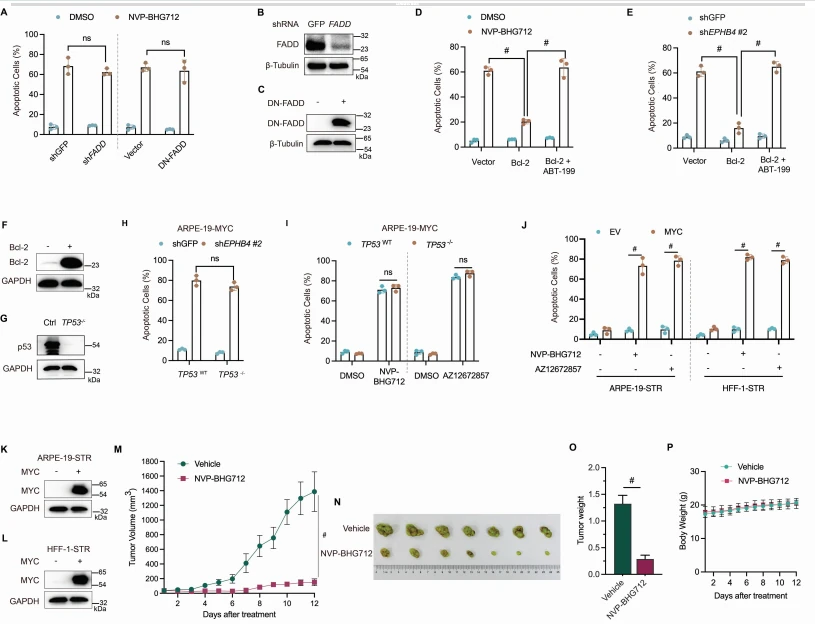
Figure 2. EphB4 inhibition induces Bcl-2-dependent but p53-independent apoptosis
3. MYC-High TNBC Cells Are Specifically Dependent on EphB4 for Survival, and Combination with a Bcl-2 Inhibitor Enhances Antitumor Activity
Multiple p53-mutant, MYC-high TNBC cell lines underwent significant apoptosis following EphB knockout or pharmacological inhibition, whereas MYC-low normal breast cells were not affected. EphB4 kinase activity was essential for cell survival. High Bcl-2 expression in TNBC limited the efficacy of EphB4 inhibition alone, while combination treatment with ABT-199 synergistically induced tumor regression. The superior in vivo efficacy of the combination was further validated in an orthotopic breast tumor model.
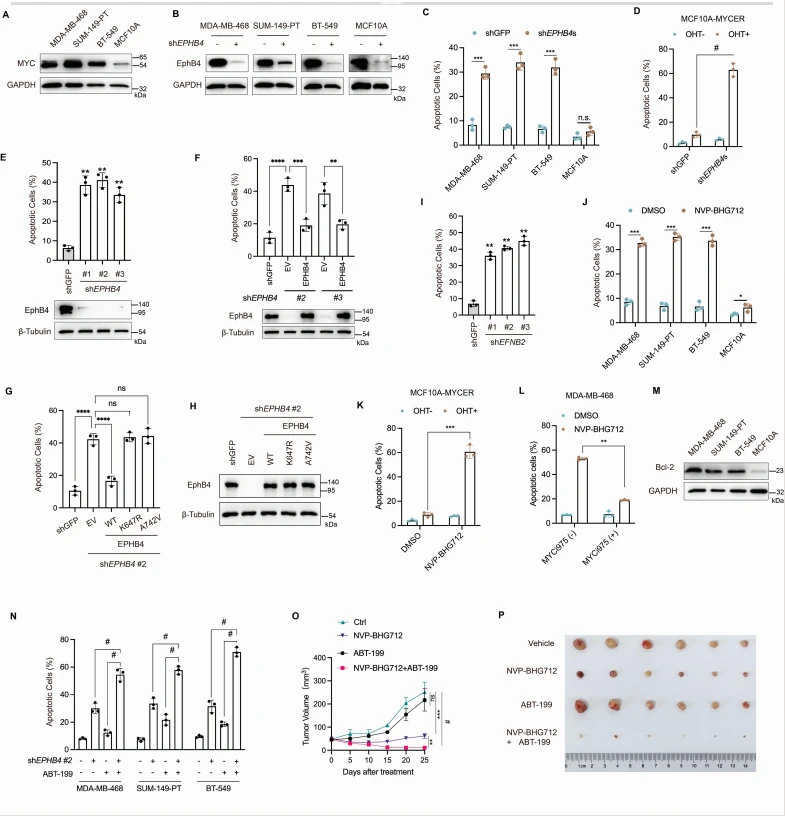
Figure 3. MYC-high triple-negative breast cancer cells are selectively sensitive to EphB4 inhibition
4. Transcriptomic Screening Identifies PSMB5 as a Key Downstream Effector of EphB4
An intersection analysis of RNA-seq data identified candidate genes that were upregulated by MYC and downregulated following EphB4 inhibition. Individual knockout experiments showed that PSMB5 loss recapitulated MYC-specific apoptosis, demonstrating that the proteasome β5 subunit is a key mediator of EphB4 inhibition-induced cell death.
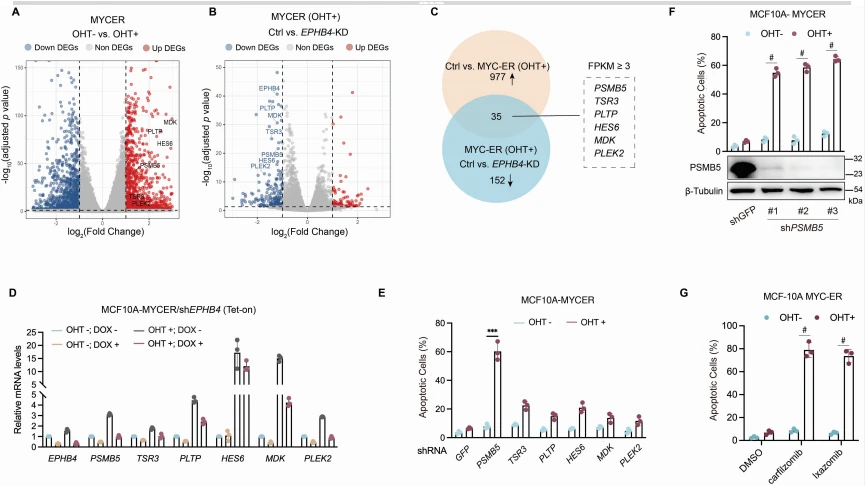
Figure 4. Downregulation of PSMB5 expression mediates EphB4 inhibition-induced apoptosis
5. EphB4 Inhibition Downregulates PSMB5 and Disrupts Proteasomal Degradation
EphB4 knockdown specifically reduced PSMB5 transcription, indirectly leading to decreased levels of mature PSMB6/7 proteins and a simultaneous reduction in the activities of all three proteasomal protease classes. Direct inhibition of PSMB recapitulated the cytotoxic effects of EphB4 inhibitors, whereas restoration of PSMB5 reversed apoptosis, confirming that disruption of proteasome homeostasis is a central mechanism underlying the lethal effect.
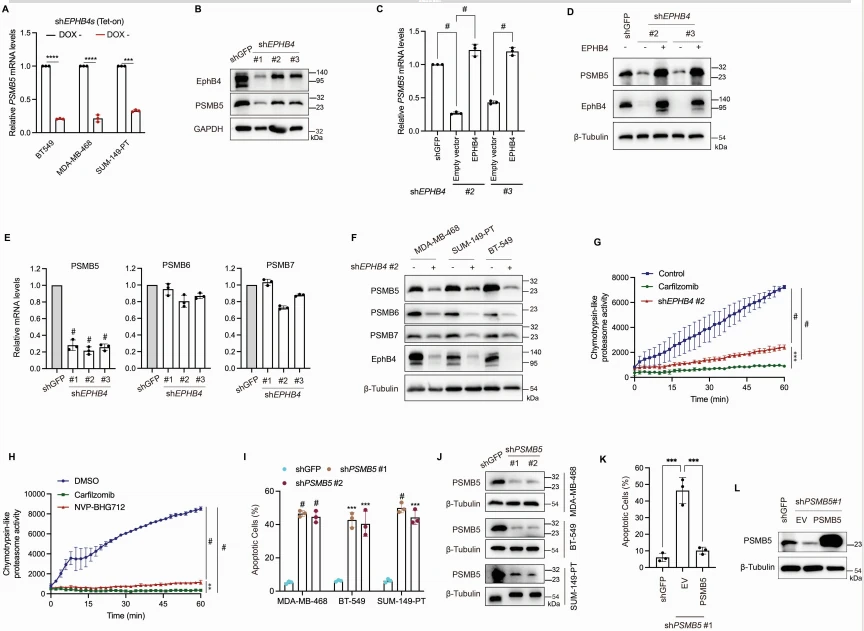
Figure 5. EphB4 inhibition downregulates PSMB5 transcription and impairs proteasome function in triple-negative breast cancer cells
6. MYC Globally Activates the Proteasome Pathway at the Transcriptional Level, Creating a Dependence on Protein Degradation
Publicly available ChIP-seq data and luciferase reporter assays demonstrated that MYC directly binds to the PSMB5 promoter, upregulates genes encoding proteasome components, and increases overall proteolytic activity. Clinical breast cancer datasets further showed that high expression of MYC, EphB4, and PSMB5 was associated with poorer prognosis.
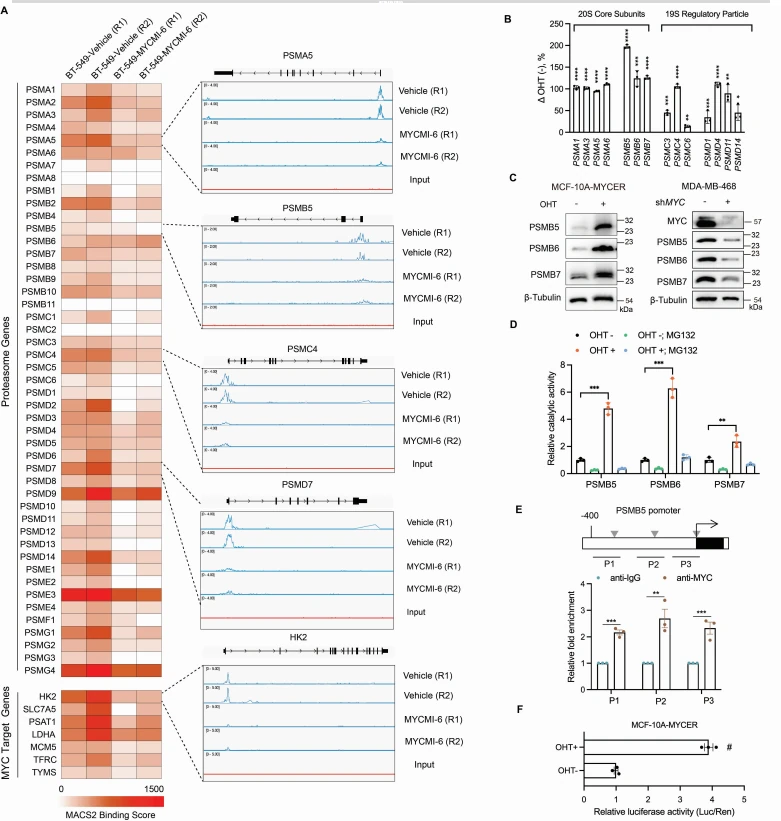
Figure 6. EphB4 inhibition suppresses PSMB5 transcription and impairs proteasome function in TNBC cells
Summary
This study identified the receptor tyrosine kinase EphB4 through a kinase-focused CRISPR screen as a druggable synthetic lethal target in MYC-driven triple-negative breast cancer. Inhibition of EphB4 downregulates PSMB5 transcription, disrupts proteasome homeostasis, and induces p53-independent mitochondrial apoptosis. Combining an EphB inhibitor with a Bcl-2-targeting agent produces synergistic antitumor effects. Unlike conventional proteasome inhibitors, which directly target catalytic activity, this pathway targets transcriptional regulation and may circumvent resistance caused by PSMB5 mutations, providing a potential new therapeutic strategy for refractory MYC-amplified TNBC.
Ubigene EZ-iScreen™ Library
EZ-iScreen™ is an innovative technology independently developed by Ubigene to enable highly efficient CRISPR screening. Ubigene currently offers more than 40 ready-to-use CRISPR library plasmids, covering genome-wide knockout, inhibition, and activation libraries for human, mouse, green monkey, and pig, as well as CRISPR knockout/inhibition/activation sub-libraries targeting kinases, cell cycle, membrane proteins, metabolism, and other relevant gene families to facilitate your target screening. In addition, Ubigene provides 150+ library virus stocks, 1,000+ library Cell Pool products, one-stop CRISPR library (in vivo/in vitro) functional screening services, and library NGS sequencing services to support your research needs at any time.
 Promotions