
In Vivo CRISPR Screening Identifies MED4 as a Regulator of Breast Cancer Metastatic Dormancy


Introduction
Disseminated dormant cancer cells are a major source of late metastatic recurrence in breast cancer, yet the molecular mechanisms governing dormancy and metastatic reactivation remain incompletely understood. Using an in vivo genome-wide CRISPR screen , this study identified the Mediator subunit MED4 as a key factor of metastatic dormancy. MED4 suppresses distal enhancer activation and ECM-associated transcriptional programmes, thereby restraining extracellular matrix (ECM) remodelling and niche stiffening. MED4 haploinsufficiency releases a temporally ordered integrin-mediated mechanotransduction programme involving YAP and MRTF, enabling dormant cells to reactivate and form distant metastases. Clinical cohort analyses further showed that MED4 copy-number loss and reduced expression are associated with poorer outcomes, highlighting MED4 as a potential epigenomic target and biomarker for metastatic relapse risk.

Key Innovations
- Conceptual innovation: The study identifies MED4 as a critical regulator of metastatic dormancy in breast cancer and reveals a distinct chromatin-regulatory function of MED4 that differs from the canonical transcriptional role of the Mediator complex. It reveals that MED4 loss reactivates dormant cells through matrix remodeling and a temporally ordered YAP/MRTF mechanotransduction cascade. Clinically, MED4 loss is established as an independent prognostic biomarker for breast cancer recurrence.
- Technical innovation: The study establishes an in vivo forward CRISPR screening platform for identifying regulators of metastatic dormancy. By integrating genome-scale screening with multi-omics profiling, time-resolved mouse models and multiple clinical cohorts, the study systematically characterizes the epigenomic pathway controlled by MED4 and evaluates its potential clinical relevance.
Workflow
- 1. In vivo CRISPR screening identifies MED4 as a key regulator: A genome-wide in vivo CRISPR screen identified MED4 as a key regulator of metastatic reactivation. Validation in multiple breast cancer models and inducible mouse experiments showed that MED4 depletion markedly increased lung and bone metastatic burden.
- 2. MED4 specifically remodels chromatin states: MED4 depletion induces chromatin decompaction and increases enhancer-associated H3K4me1 and H3K27ac marks, accompanied by broad activation of ECM- and cell-adhesion-associated genes. In contrast, depletion of the Mediator subunit MED1 does not produce the same phenotype.
- 3. Time-resolved remodelling of the metastatic niche: Loss of MED4 initiates early ECM remodelling, including increased collagen deposition, which contributes to the formation of a stiff, metastasis-permissive microenvironment and promotes recruitment and remodelling of cancer-associated fibroblasts (CAFs).
- 4. Stepwise activation of mechanotransduction: Matrix stiffening promotes integrin-dependent focal adhesion signalling and activates mechanosensitive transcriptional programmes involving YAP–TEAD and MRTF–SRF, ultimately supporting cancer stemness and expansion of micrometastatic lesions.
- 5. Clinical validation: MED4 shallow deletion is frequently observed in metastatic breast cancer samples, while reduced MED4 expression is associated with poorer relapse-free and overall survival. These findings support MED4 status as a potential prognostic biomarker for metastatic recurrence.
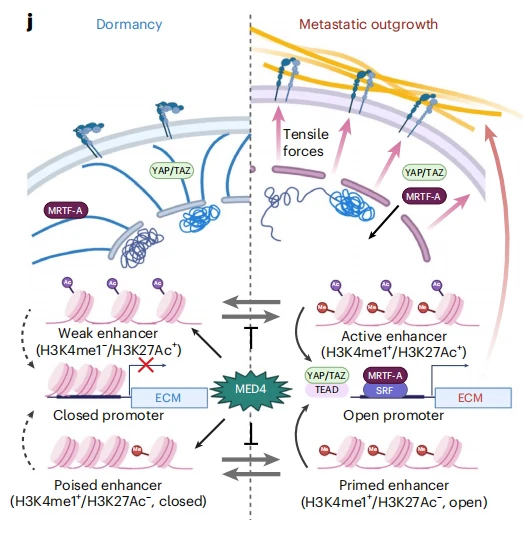
Schematic model of MED4 function in regulating enhancer dynamics and metastatic dormancy.
Key Findings
1. In vivo CRISPR screening identifies MED4 as a dormancy suppressor
Using dormant 4T07 cells for in vivo CRISPR screening, only MED4 knockout groups observed substantial metastatic outgrowth. Inducible shRNA temporal intervention confirmed that MED4 knockdown at either early or late stages breaks dormancy, inducing lung and bone multi-organ metastasis. MED4 is essential for cell survival, and partial loss of MED4 is sufficient to promote metastatic reactivation.
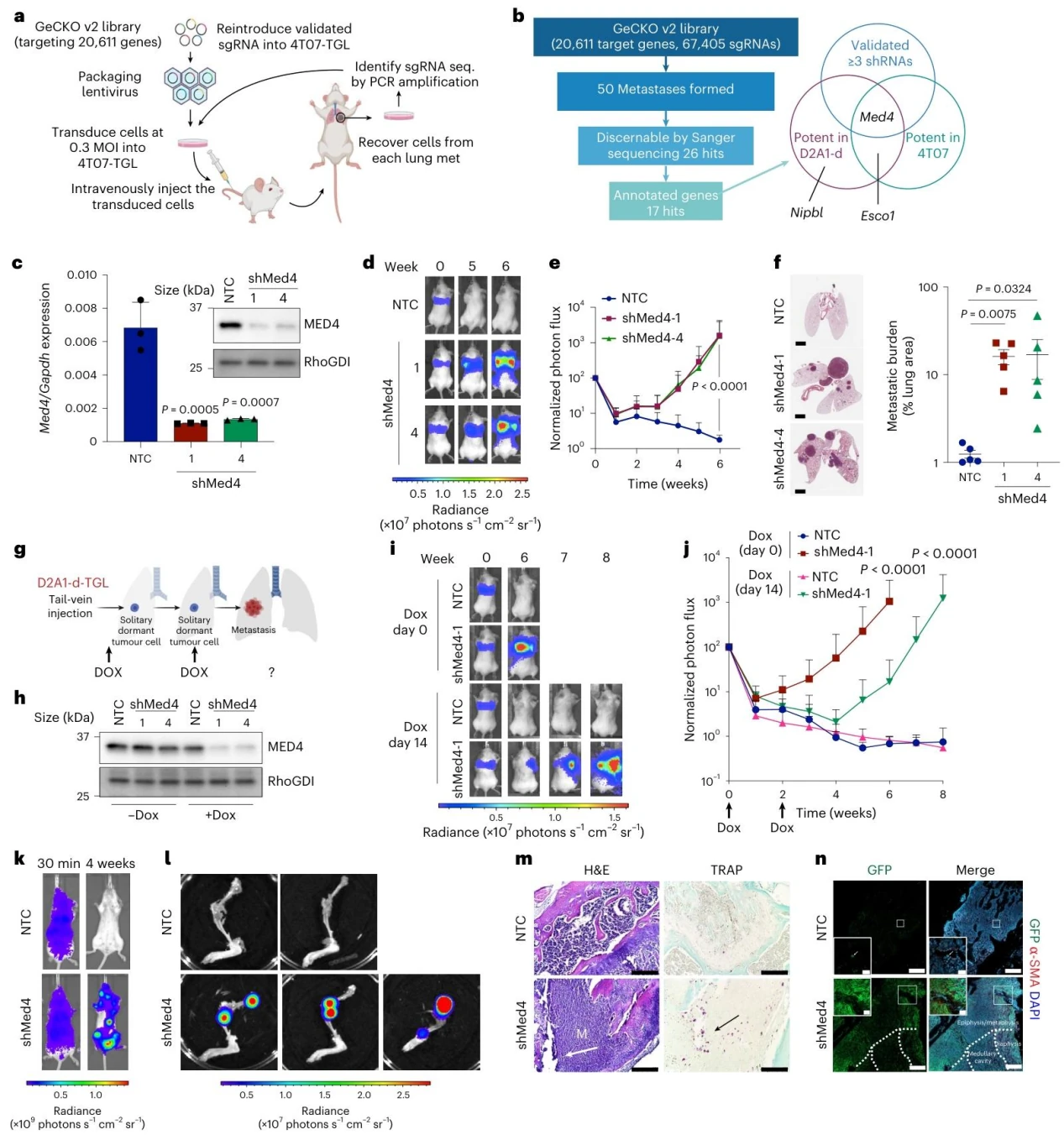
Figure 1. CRISPR–Cas9 forward genetic screening identifies MED4 as a key regulator of metastatic reactivation.
2. MED4 restrains enhancer activation and suppresses ECM-associated gene expression
Multi-omics analyses showed that MED4 depletion specifically increases chromatin accessibility and enhancer-associated H3K4me1 and H3K27ac deposition, accompanied by upregulation of ECM-associated genes, including collagen-, actomyosin- and ECM-remodelling-related genes. In contrast, MED1 depletion produces a distinct transcriptional and chromatin phenotype, further supporting a subunit-specific function of MED4 within the Mediator complex.
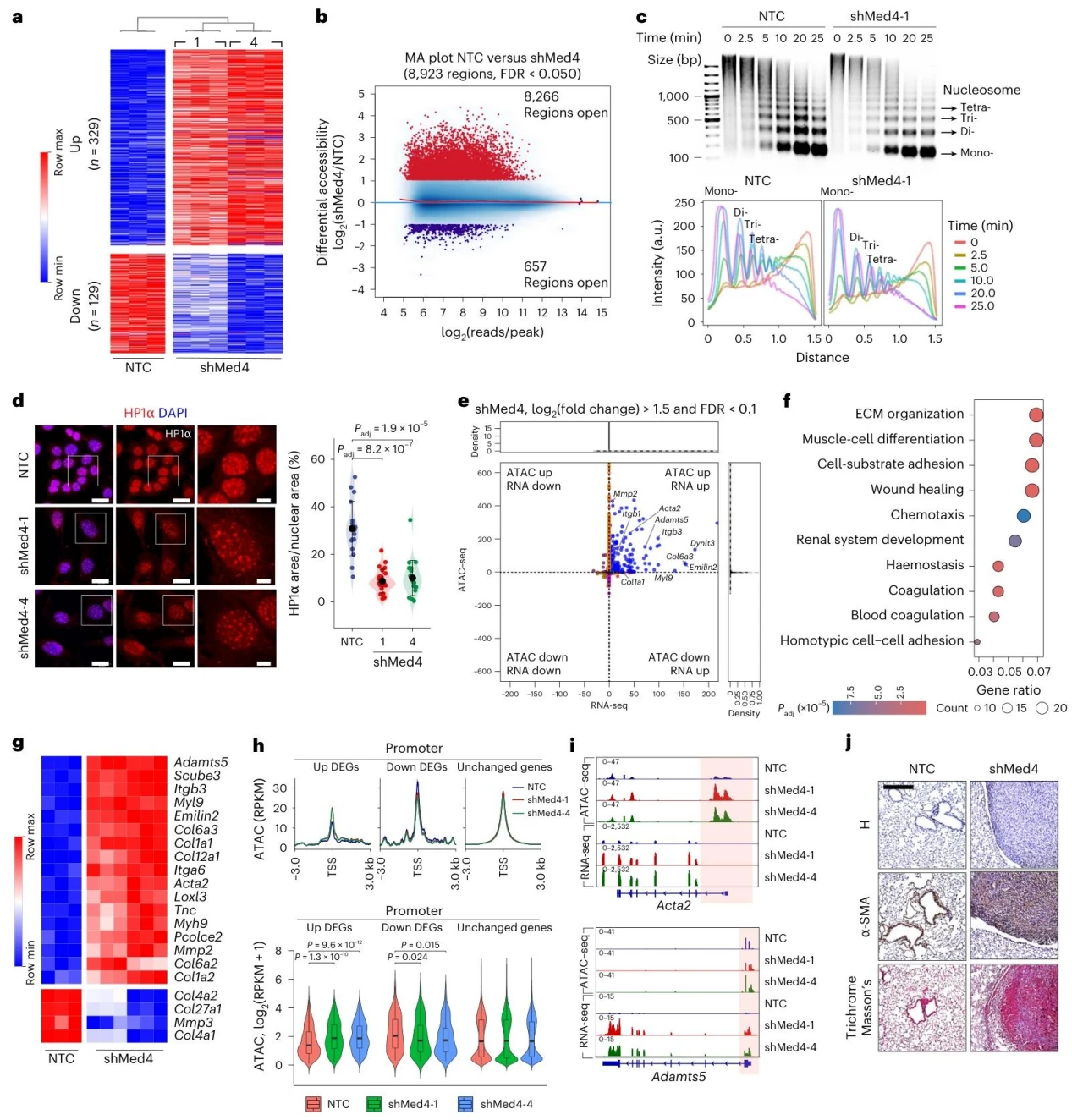
Figure 2. MED4 restrains transcriptional and epigenetic reprogramming to suppress matrix stiffening.
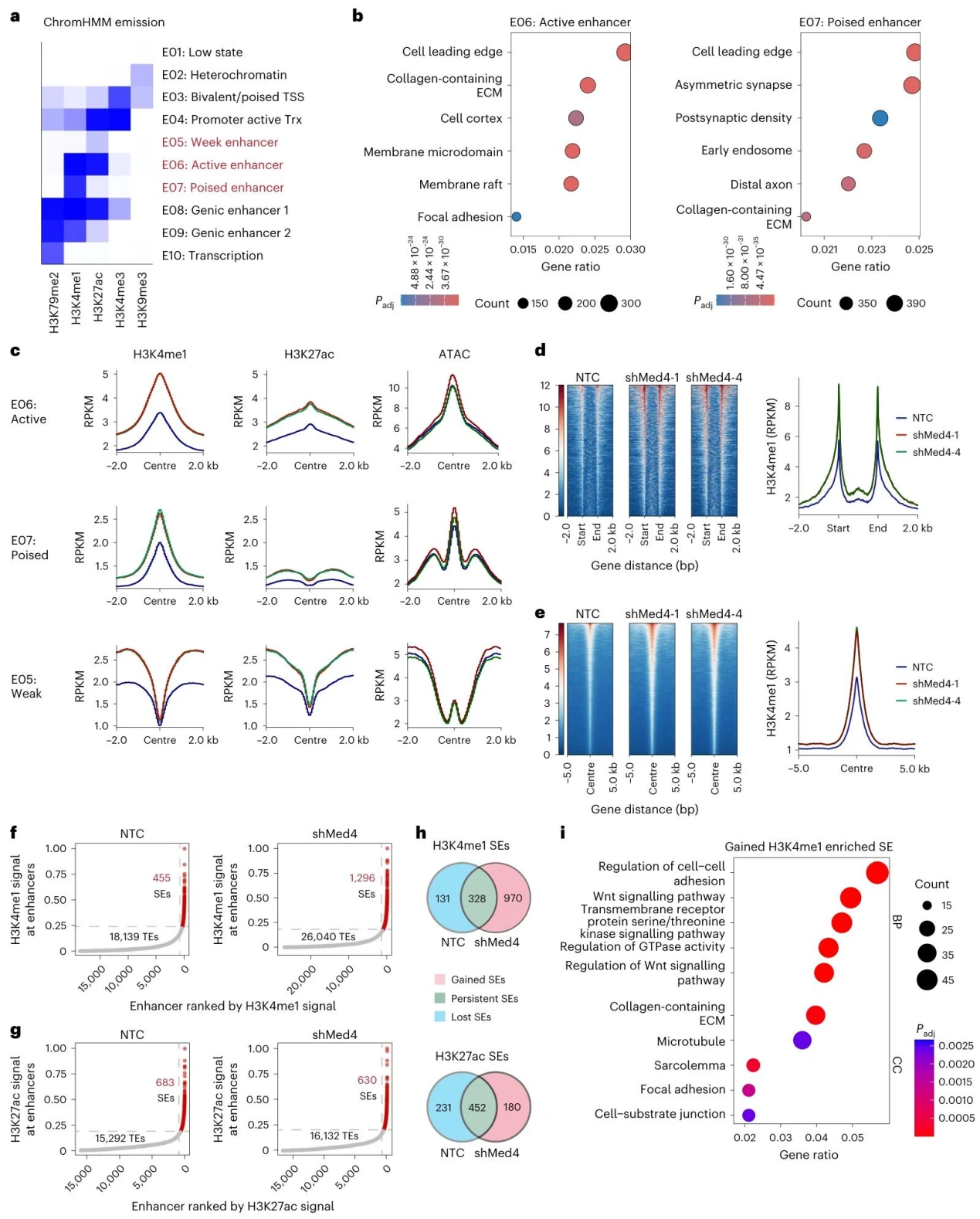
Figure 3. MED4 maintains enhancer poise to restrict abnormal ECM gene expression.
3. MED4 loss establishes a stiff, metastasis-permissive microenvironment
Time-resolved analysis of mouse lung tissue showed that MED4 depletion induces early ECM priming, with increased pericellular collagen deposition detectable as early as 3 days after metastatic seeding. Subsequent stromal remodelling and CAF recruitment contribute to the formation of a contractile, mechanically permissive niche that supports metastatic reactivation.
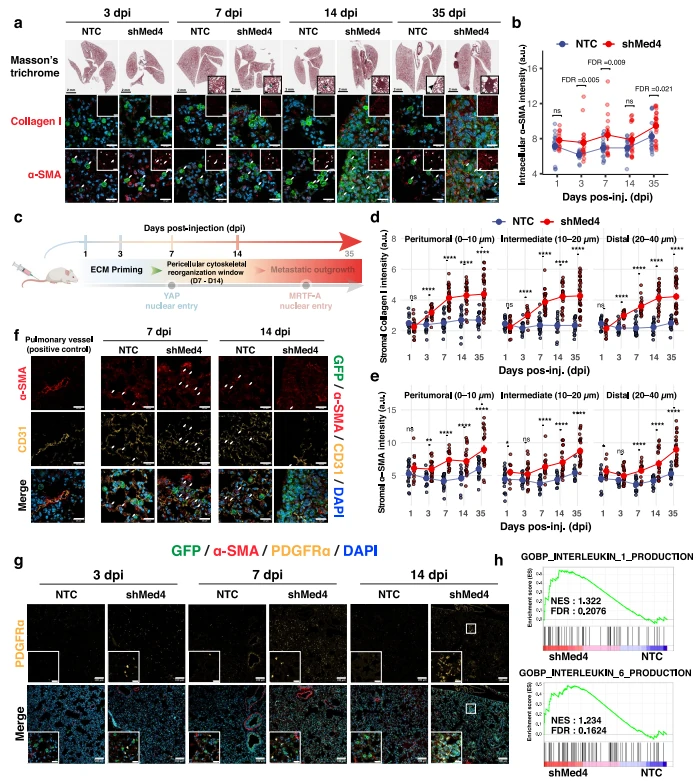
Figure 4. MED4 suppresses early ECM priming and dynamic CAF remodelling in the metastatic microenvironment.
4. Integrin-mediated YAP/MRTF mechanotransduction drives metastatic reactivation
Matrix remodelling promotes integrin-dependent focal adhesion formation and activates mechanosensitive transcriptional programmes. YAP nuclear localization occurs earlier, whereas MRTF-A activation emerges later, defining a temporally ordered mechanotransduction cascade. Genetic inhibition of YAP/TAZ, MRTF-A or SRF markedly suppresses metastatic outgrowth, supporting their functional requirement downstream of MED4 loss.
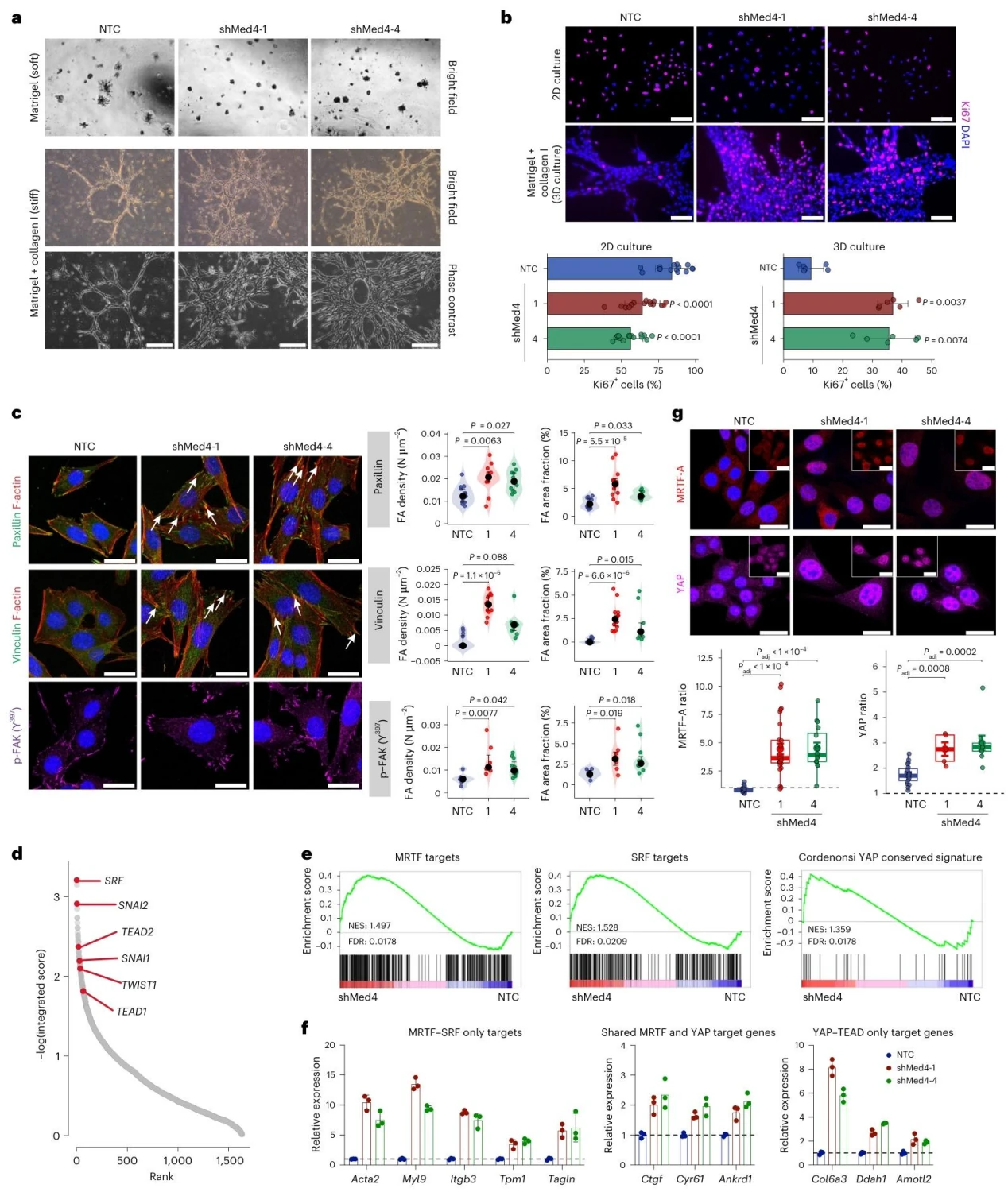
Figure 5. MED4 sustains metastatic dormancy by restraining integrin-mediated mechanotransduction.
5. MED4 is associated with metastatic recurrence in breast cancer
Analysis of multiple public breast cancer cohorts showed that MED4 shallow deletions are frequent in metastatic lesions. Reduced MED4 expression is associated with shorter relapse-free survival, overall survival and distant metastasis-free survival. Multivariable Cox regression further identified MED4 haploinsufficiency as an independent predictor of poorer relapse-free and overall survival.
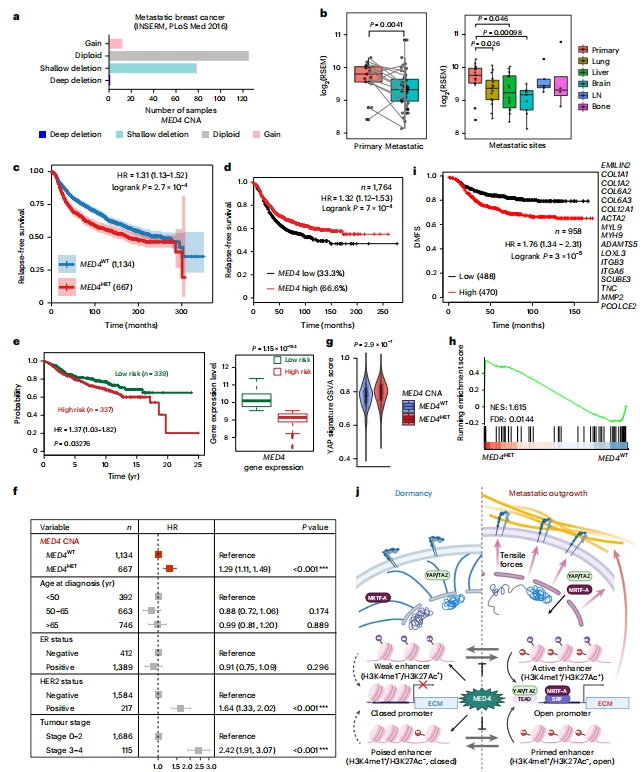
Figure 6. MED4 haploinsufficiency and associated haplo-signatures correlate with metastatic relapse in patients with breast cancer.
Summary
This study employed in vivo genome-wide CRISPR screening to identify the Mediator subunit MED4 as a critical regulator of disseminated cancer cell dormancy in breast cancer. MED4 suppresses distal enhancer H3K4me1/H3K27ac modifications and maintains a compact chromatin state to silence ECM-associated transcriptional programs. MED4 haploinsufficiency initiates a temporally ordered cascade: tumor cells secrete collagen to remodel the stiffened microenvironment, activating integrin–YAP/MRTF mechanotransduction, ultimately awakening dormant cells to form distant metastases. Clinical data demonstrate that low MED4 expression/haploinsufficiency predicts high relapse risk, providing a novel epigenetic target and biomarker for dormancy intervention and recurrence risk stratification in advanced breast cancer.
Ubigene EZ-iScreen™ Library
EZ-iScreen™ is an innovative technology independently developed by Ubigene to enable highly efficient CRISPR screening. Ubigene currently offers more than 40 ready-to-use CRISPR library plasmids, covering genome-wide knockout, inhibition, and activation libraries for human, mouse, green monkey, and pig, as well as CRISPR knockout/inhibition/activation sub-libraries targeting kinases, cell cycle, membrane proteins, metabolism, and other relevant gene families to facilitate your target screening. In addition, Ubigene provides 150+ library virus stocks, 1,000+ library Cell Pool products, one-stop CRISPR library (in vivo/in vitro) functional screening services, and library NGS sequencing services to support your research needs at any time.
 Promotions