
The SPP1-TRIM21-SOCS1 Axis Regulates Interferon Responses and Drives Tumor Immunosuppression

Introduction
Tumor-associated macrophages (TAMs) are a key cell population that mediates tumor immune evasion and drives resistance to immune checkpoint blockade (ICB) therapy. In this study, integrating single-cell sequencing data across multiple cancer types, the authors identified that SPP1⁺ TAMs are specifically enriched in tumors and closely associated with poor ICB response. Mechanistically, intracellular SPP1 competitively binds to the E3 ubiquitin ligase TRIM21, reducing SOCS1 ubiquitination and degradation, thereby sustaining SOCS1-mediated negative regulation of IFN-γ-STAT1 signaling, suppressing interferon pathway activity and downstream interferon-stimulated gene (ISG) expression, and ultimately forming an immunosuppressive microenvironment. In vivo experiments confirmed that knockout or targeted inhibition of SPP1 relieves immunosuppression and significantly enhances anti-PD-L1 therapy efficacy , providing a novel target and intervention strategy for combination cancer immunotherapy.
Objectives
- Define the biological role of SPP1⁺ tumor-associated macrophages (TAMs) as an enriched subset across multiple tumor types that mediates resistance to immune checkpoint blockade (ICB) therapy.
- Elucidate the molecular mechanism by which intracellular SPP1 regulates interferon responses in TAMs and shapes the immunosuppressive tumor microenvironment.
- Explore upstream regulatory signals of SPP1 and validate the feasibility and translational value of targeting SPP1 for cancer immunotherapy in combination with anti-PD-L1 therapy.
Workflow
- Pan-cancer single-cell analysis to identify SPP1⁺ TAMs as a key immunosuppressive subset and establish its association with ICB resistance.
- In vivo validation using Spp1 knockout mice to demonstrate that SPP1 promotes tumor progression and remodels the immunosuppressive microenvironment.
- In vitro experiments confirming that SPP1 suppresses IFN-γ-STAT1 signaling and ISG gene expression.
- Molecular mechanistic dissection: intracellular SPP1 binds TRIM21, limits SOCS1 ubiquitination, and sustains its negative feedback function.
- Investigation of upstream inducers such as IL-10 and TGF-β that drive SPP1 expression.
- In vivo validation that targeting SPP1 (via gene silencing or cell infusion) combined with anti-PD-L1 significantly enhances immunotherapeutic efficacy.
Key Findings
1. Pan-cancer single-cell atlas confirms SPP1⁺ TAMs are enriched and associated with ICB resistance
Large-scale single-cell data from 12 cancer types were clustered to identify multiple monocyte/macrophage subsets, among which SPP1⁺ TAMs were specifically enriched in tumor tissues . Integrative analysis of publicly available single-cell RNA sequencing datasets showed that among patients receiving ICB therapy, SPP1 expression in TAMs from non-responders was significantly higher than in responders. High SPP1 expression was accompanied by activation of angiogenesis, hypoxia, TGF-β pathway, and adaptive immune suppression signatures, indicating that SPP1⁺ TAMs represent a pro-tumorigenic, immunosuppressive key subset.
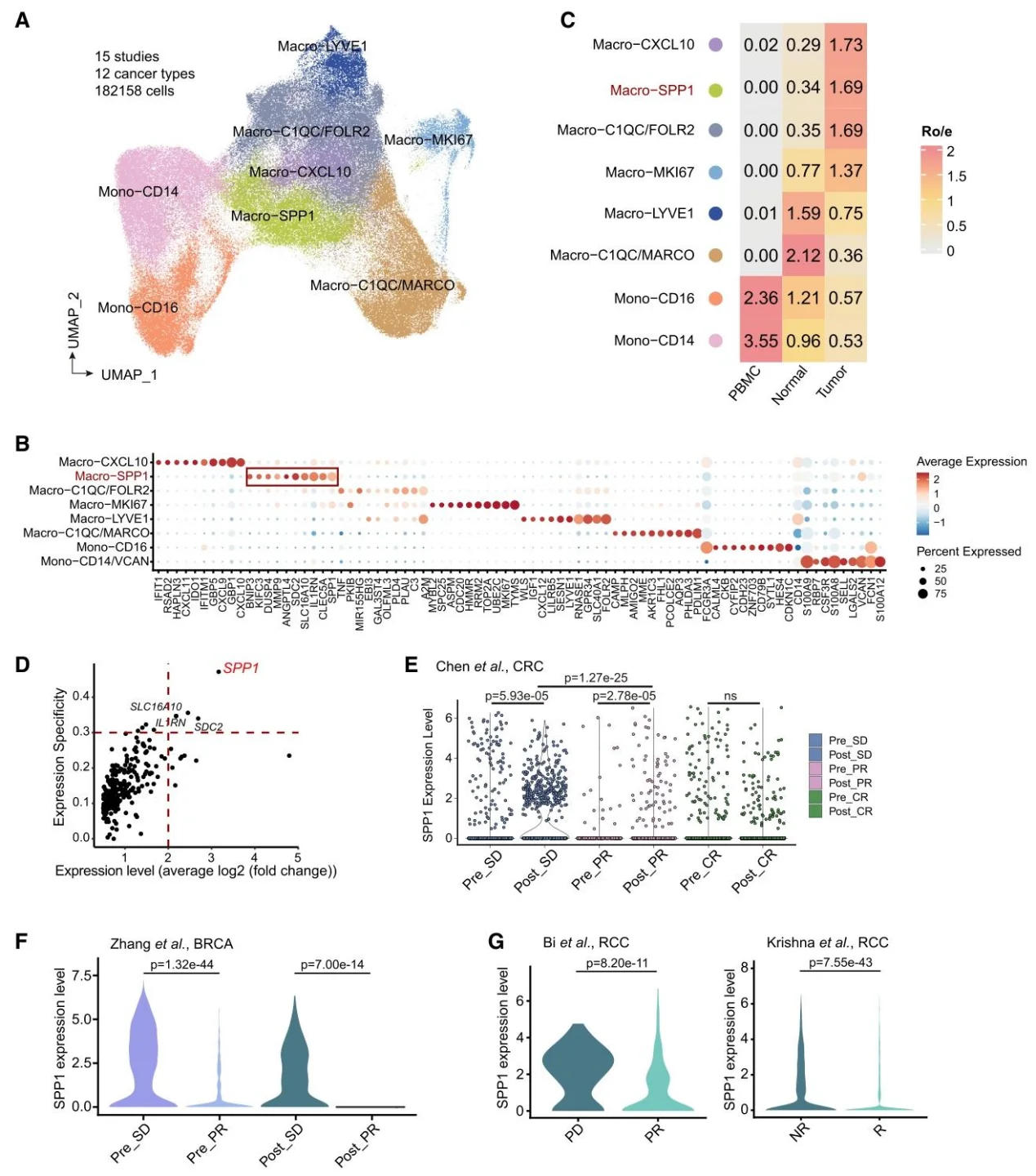
Figure 1. Integrative single-cell analysis reveals that SPP1 in TAMs is associated with pro-tumor effects
2. Macrophage-specific SPP1 knockout significantly inhibits tumor growth in a lymphocyte-dependent manner
In multiple murine models including MC38 colorectal cancer and LLC lung cancer, myeloid-specific Spp1 knockout reduced tumor volume and prolonged survival. Macrophage depletion experiments confirmed that this anti-tumor effect is mediated by TAMs . When tumor cells were inoculated into immunocompetent versus immunodeficient NOD-SCID mice, the tumor-suppressive effect of Spp1 knockout was only observed in the presence of lymphocytes, indicating that SPP1 primarily promotes tumorigenesis through regulating adaptive immunity.
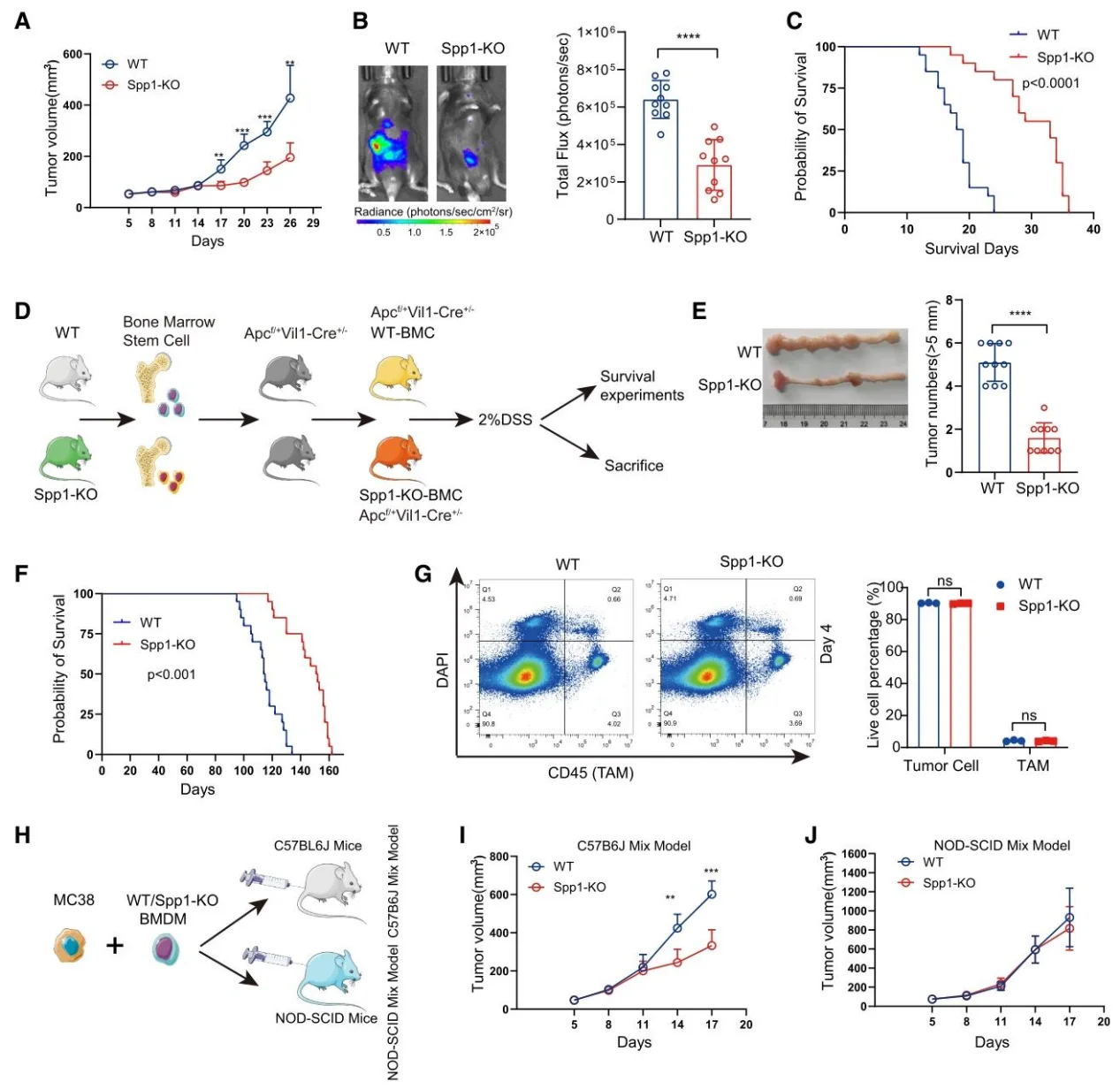
Figure 2. SPP1 knockout in TAMs delays tumor progression in a lymphocyte-dependent manner
3. SPP1 deficiency remodels the tumor microenvironment and enhances anti-tumor immune responses
Flow cytometry, multiplex immunofluorescence, and single-cell analyses revealed that Spp1 knockout led to increased total immune cell infiltration, elevated proportions of CD4⁺ and CD8⁺ T cells , and reduced regulatory T cell (Treg) frequency. CD8⁺ T cells showed upregulated GZMB expression, and CD4⁺ Th1 cells exhibited increased IFN-γ production. Type I/II interferon pathways and interferon-stimulated genes (ISGs) were broadly activated in both tumor cells and immune cells, shifting the overall microenvironment from immunosuppressive to immune-activated.
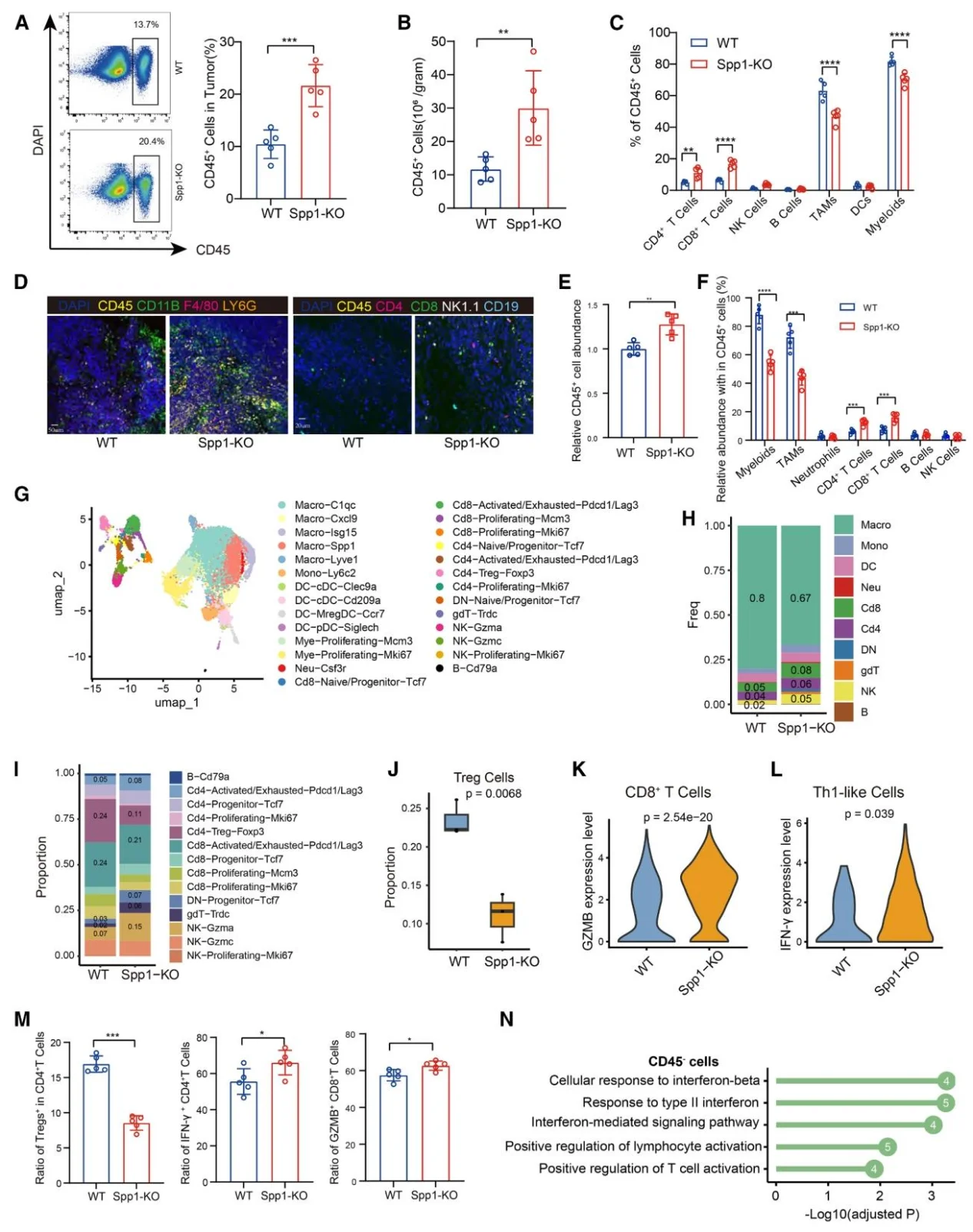
Figure 3 Knocking out SPP1 in TAMs reshapes the tumor microenvironment
4. SPP1 negatively regulates macrophage interferon responses and M1-like polarization
In vitro experiments showed that in the absence of interferon stimulation, SPP1 did not affect macrophage gene expression. However, upon IFN-α, IFN-β, or IFN-γ stimulation, Spp1-knockout macrophages exhibited significantly upregulated ISGs including CXCL9, CXCL10, ISG15, and NOS2. Co-culture assays confirmed that SPP1-deficient macrophages more potently recruited CD4⁺ and CD8⁺ T cells , promoted naive CD4⁺ T cell differentiation toward Th1 cells without inducing Treg generation, displaying typical anti-tumor M1-like macrophage characteristics.
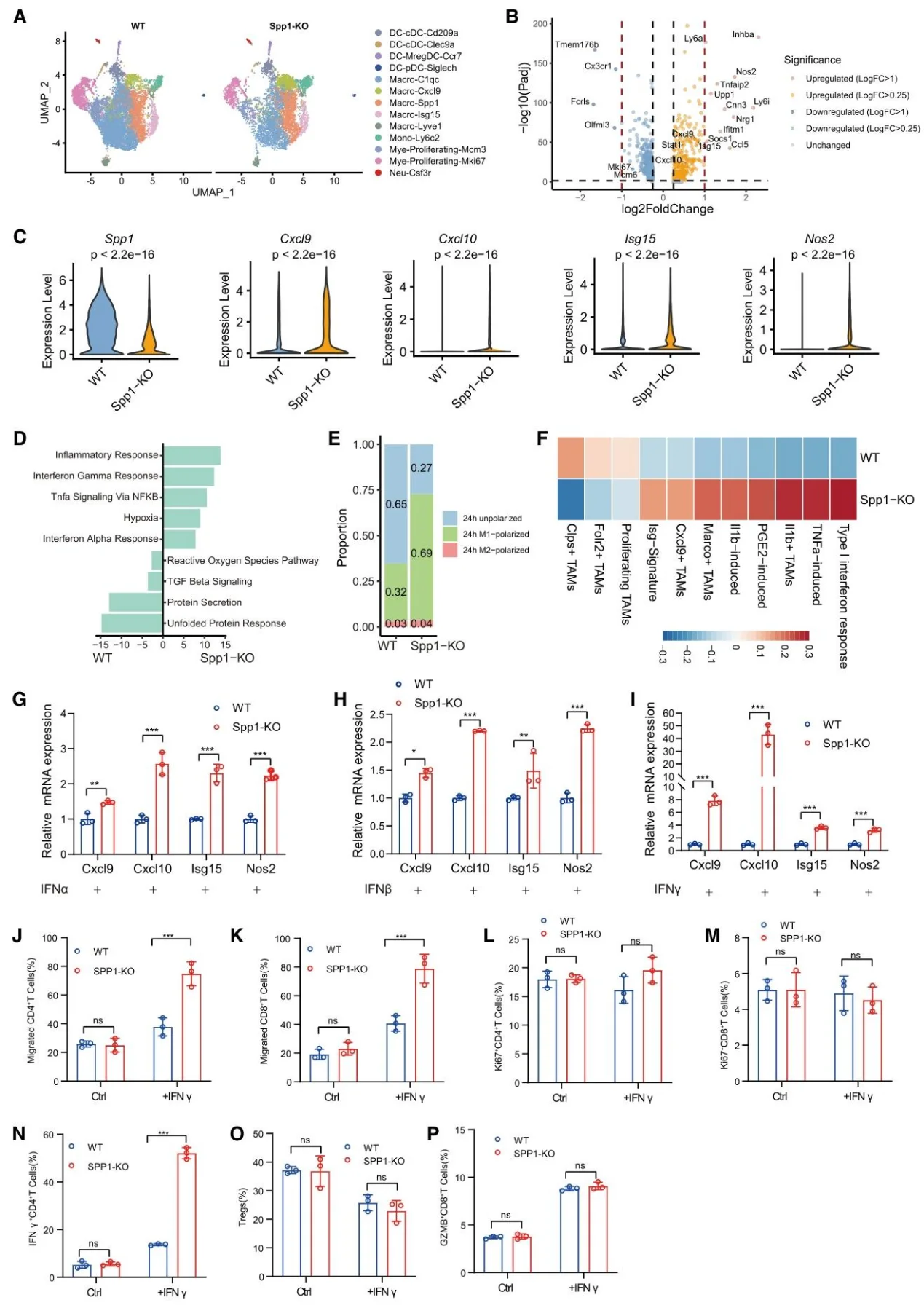
Figure 4. The role of SPP1 in TAMs
5. Intracellular SPP1 binds TRIM21, stabilizes SOCS1, and inhibits IFN-γ-STAT1 signaling
SPP1 exists in both secreted and intracellular forms, with only the intracellular form exhibiting immunoregulatory functions. Mass spectrometry and Co-IP confirmed that intracellular SPP1 directly binds the E3 ubiquitin ligase TRIM21 . TRIM21 mediates SOCS1 ubiquitination and degradation, whereas SPP1 competitively binds TRIM21 with SOCS1, reducing SOCS1 degradation and elevating its protein level. As a negative regulator, SOCS1 continuously inhibits STAT1 phosphorylation and blocks downstream ISG expression. Treatment with a proteasome inhibitor reversed this regulatory effect, confirming that the process depends on the ubiquitin-proteasome pathway.
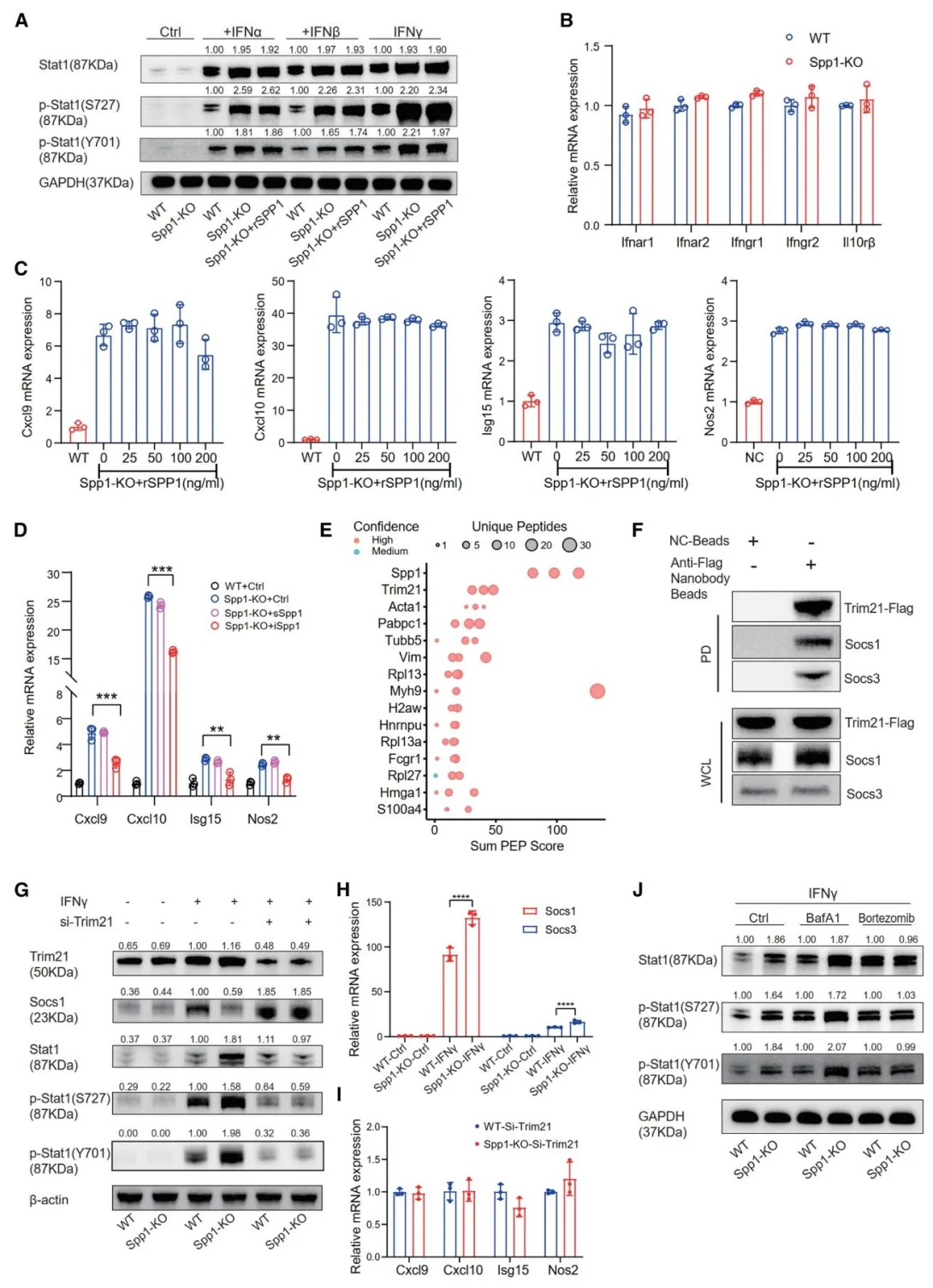
Figure 5. The mechanism of SPP1 regulating IFN-γ-STAT1-ISG signaling in TAMs
6. Targeting SPP1 significantly enhances anti-PD-L1 immunotherapy efficacy
In vivo efficacy studies showed that macrophage SPP1 knockout alone or anti-PD-L1 antibody alone had only modest anti-tumor effects, whereas their combination achieved significant synergy, with complete tumor regression in some mice. In a peritoneal tumor model, Spp1-knockout BMDMs treatment combined with IFN-γ and anti-PD-L1 led to higher tumor regression rates. Furthermore, LNP-delivered modified siRNA targeting intratumoral SPP1 effectively inhibited tumor growth as monotherapy or in combination with anti-PD-L1 , validating SPP1 as a druggable target.
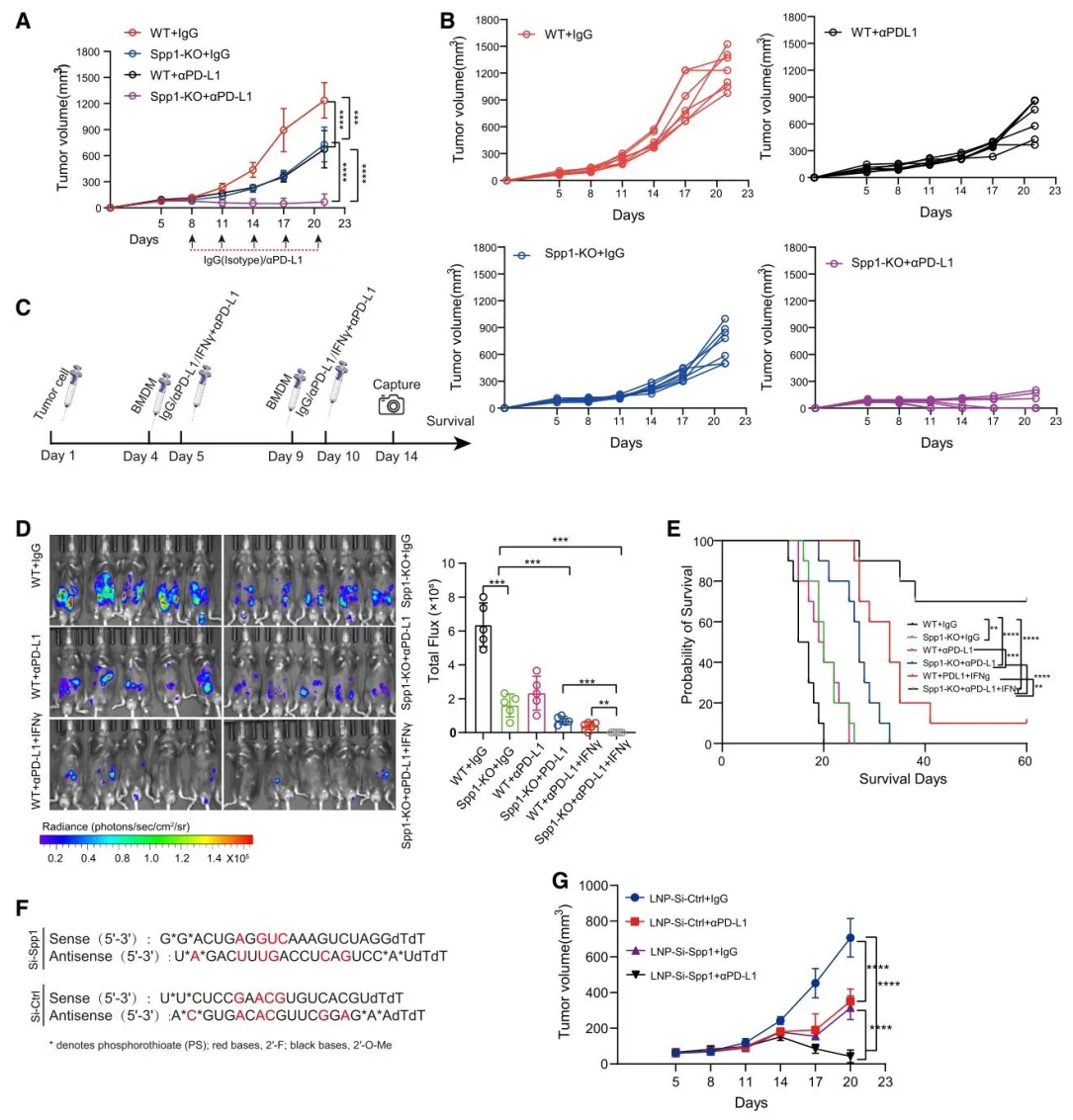
Figure 6. SPP1 knockout in TAMs enhances the efficacy of ICB therapy
Significance and Innovations
- New subset discovery: This study establishes SPP1⁺ TAMs as a core immunosuppressive macrophage subset driving ICB resistance at the pan-cancer level, refining the heterogeneity theory of TAMs; it demonstrates that LNP-siRNA targeting intracellular SPP1 combined with ICB is a feasible combination strategy, offering a new target and delivery approach for sensitizing solid tumors to immunotherapy.
- Mechanistic innovation: The study elucidates the SPP1-TRIM21-SOCS1 regulatory axis, revealing a novel mechanism by which intracellular SPP1 suppresses interferon pathways through competitive ubiquitin regulation, thereby uncovering the molecular basis of TAM-mediated immunosuppression.
Summary
Through pan-cancer single-cell analysis, this study identifies immunosuppressive SPP1⁺ tumor-associated macrophages and confirms that their high expression is closely linked to immune checkpoint therapy resistance. Mechanistically, intracellular SPP1 competitively binds the ubiquitin ligase TRIM21, hindering SOCS1 ubiquitination and degradation. Elevated SOCS1 abundance continuously suppresses IFN-γ-STAT1 signaling , downregulating interferon-stimulated gene expression and ultimately establishing an immunosuppressive microenvironment characterized by increased Tregs and exhausted effector T cells. Animal models demonstrate that knockout or LNP-siRNA-mediated silencing of SPP1 relieves interferon pathway suppression, remodels the anti-tumor immune microenvironment, and significantly enhances anti-PD-L1 therapy efficacy. This study not only uncovers a new mechanism by which TAMs mediate immune evasion but also provides a novel targeting strategy to overcome resistance to cancer immunotherapy.
Original Link: https://doi.org/10.1016/j.immuni.2026.04.001
Ubigene Gene Editing Services and Products
Ubigene has always adhered to the core concept of "Making Gene Editing Easier", continuously iterating products and services, and has accumulated over 13,000+ successful gene editing cases, possessing 10,000+ KO Cell Products . Based on self-developed innovative technology, gene editing efficiency is increased by 10-20 times compared with traditional methods. Currently, Ubigene has provided high-quality gene editing services and products to more than 10,000 life science laboratories, pharmaceutical companies, and CRO companies.
The protein encoded by the SPP1 gene is involved in the attachment of osteoclasts to the mineralized bone matrix. The encoded protein is secreted and binds hydroxyapatite with high affinity. The osteoclast vitronectin receptor, which is present in the cell membrane, may participate in the binding to this protein. This protein also functions as a cytokine that upregulates the expression of interferon-gamma and interleukin-12 . If you are also interested in conducting research on SPP1, Ubigene can provide SPP1 knockout cells, covering HuH-7, 293T, and THP-1 cell lines, as well as more popular target KO cells with guaranteed WB! If you have customized gene editing needs, welcome to consult!
 Promotions