
Targeting CARM1 Relieves cDC1 Functional Suppression and Reshapes Antitumor Immunity via Cross Presentation

Literature Snapshot
Functional impairment of type 1 conventional dendritic cells (cDC1s) in the tumor microenvironment represents a major bottleneck for cold tumors and resistance to immune checkpoint blockade. cDC1s are responsible for crosspresenting antigens from apoptotic tumor cells and priming cytotoxic CD8⁺ T cell responses, yet their function is continuously suppressed by transforming growth factor–β (TGFβ) in tumors. This study demonstrates that the epigenetic enzyme CARM1 acts as a selective negative regulator of cDC1s: the TGFβ–Smad pathway directly upregulates CARM1 in cDC1s, which suppresses the BATF3/NFκB transcriptional program through chromatin remodeling, thereby blocking antigen crosspresentation. Genetic ablation or smallmolecule inhibition of CARM1 selectively restores cDC1 maturation, migration, and antigenpresenting function in both mouse and human systems, enhances intratumoral effector CD8⁺ T cell infiltration, and synergizes with PD1 blockade or neoantigen vaccines to achieve potent tumor control across multiple solid tumor models. This study establishes selective epigenetic reprogramming of cDC1s as a novel immunotherapeutic strategy and provides a smallmolecule target for enhancing dendritic cell function in antitumor immunity.
Workflow
- In Vitro Validation: CARM1 is specifically expressed in cDC1s; both genetic knockout and the smallmolecule inhibitor EZM2302 significantly enhance cDC1mediated CD8⁺ T cell crosspriming.
- In Vivo Phenotypes: cDC1specific CARM1 knockout mice show potent tumor suppression through cDC1intrinsic effects, without disrupting cDC2 function or steadystate immune homeostasis.
- Epigenetic Mechanism: Multiomics analyses confirm that CARM1, via H3R17 methylation, impedes chromatin accessibility for BATF3 and NFκB transcription factors, suppressing the cDC1 functional program.
- Microenvironmental Regulation: The TGFβ–Smad pathway upregulates CARM1, whereas type I IFNs and TNFα downregulate it, establishing a TMEdriven signaling axis that governs cDC1 function.
- Translational Efficacy: CARM1 inhibition synergizes with PD1 blockade to overcome tumor resistance; local delivery with a neoantigen vaccine expands tumorspecific CD8⁺ T cells, and the pathway is conserved and effective in human cDC1 systems.
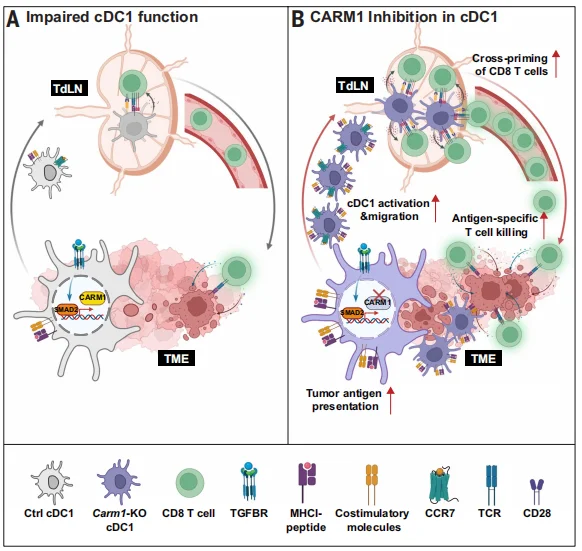
Targeting of the CARM1 epigenetic enzyme enhances dendritic cell function in the cancer-immunity cycle.
Key Findings
1. CARM1 Is a Selective Negative Regulator of cDC1s That Specifically Suppresses Antigen CrossPresentation
In vitro crosspresentation assays using apoptotic tumor cells demonstrated that cDC1s from Carm1knockout mice significantly enhanced OTI CD8⁺ T cell proliferation; this effect was recapitulated by treatment of wildtype cDC1s with the smallmolecule inhibitor EZM2302. Soluble antigen presentation assays showed that CARM1 deficiency enhanced MHCImediated crosspresentation without affecting cDC1 presentation of soluble antigens to CD4⁺ T cells, nor did it alter cDC2 antigenpresenting function. cDC1specific conditional knockout mice exhibited no abnormalities in peripheral immune cell homeostasis, with immune remodeling confined to the tumor microenvironment, supporting the selectivity and safety of targeting CARM1. These findings demonstrate that CARM1 selectively regulates the cDC1 pathway without affecting cDC2 function.
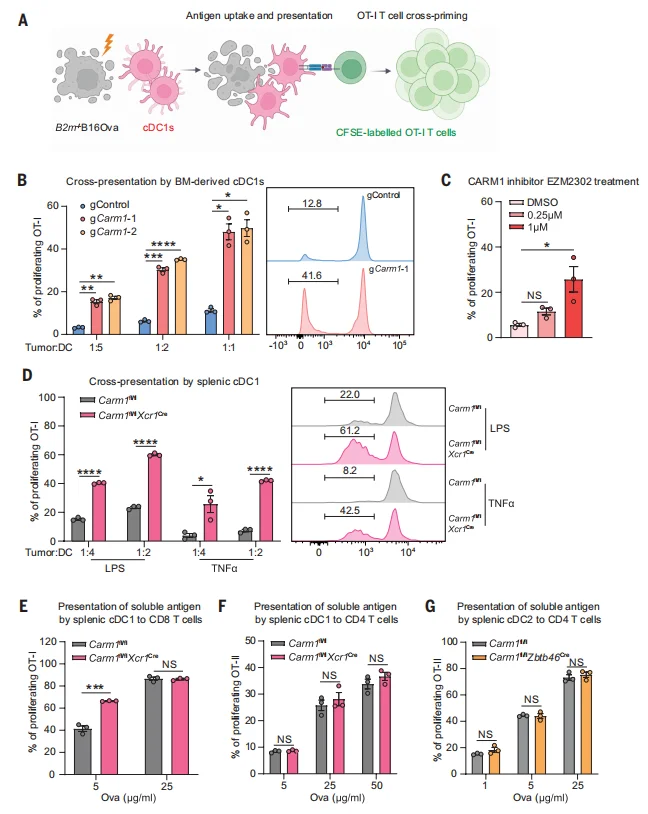
Fig. 1. Carm1 inactivation enhances antigen cross-presentation by cDC1 to CD8 T cells.
2. cDC1Specific CARM1 Knockout Potently Enhances Antitumor Immunity and Synergizes with Immune Checkpoint Blockade
In both the PD1sensitive MC38 colorectal cancer model and the PD1resistant B16 melanoma model, cDC1specific CARM1 knockout (Xcr1Cre) alone significantly delayed tumor growth and extended survival; combination with antiPD1 produced a marked synergistic effect, with substantial increases in intratumoral IFNγ⁺ and Granzyme B⁺ effector CD8⁺ T cells. Concurrent CARM1 inactivation in both tumor cells and cDC1s yielded additive benefits: CARM1 deficiency in tumor cells released type I IFN signals, while CARM1 deficiency in cDC1s relieved intrinsic functional suppression, with the dual pathways synergistically maximizing T cell antitumor responses.
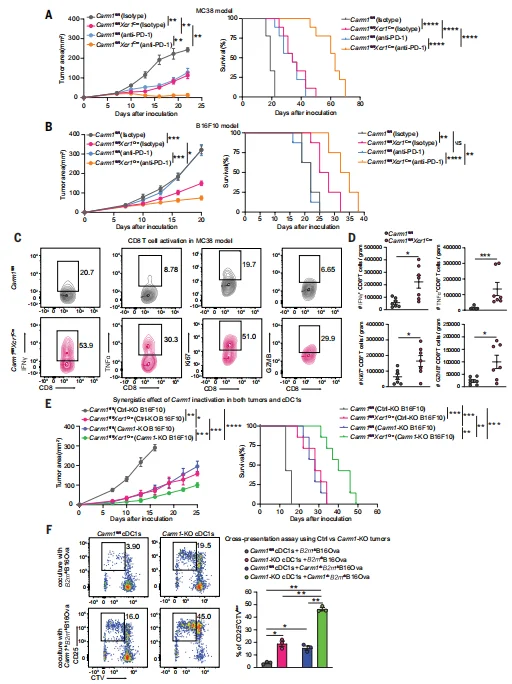
Fig. 2. Selective inactivation of Carm1 in cDC1 enhances antitumor immunity.
3. CARM1 Deficiency Promotes cDC1 Accumulation, Maturation, and Migration to Draining Lymph Nodes
Singlecell transcriptomics confirmed that the proportion of cDC1s within tumors was significantly elevated in Carm1knockout tumors, with a shift toward activated cDC1 subsets. Pathway enrichment analysis revealed upregulation of MHCI antigen processing, NFκB activation, cell migration, and antiapoptotic pathways. Flow cytometry validated that CARM1deficient cDC1s exhibited elevated expression of CCR7, CD80, CD86, and MHCI/II, enhanced migration to tumordraining lymph nodes (tdLNs), and reduced apoptosis. cDC2 numbers and activation markers remained unchanged, demonstrating precise dendritic cell subsetspecific regulation.
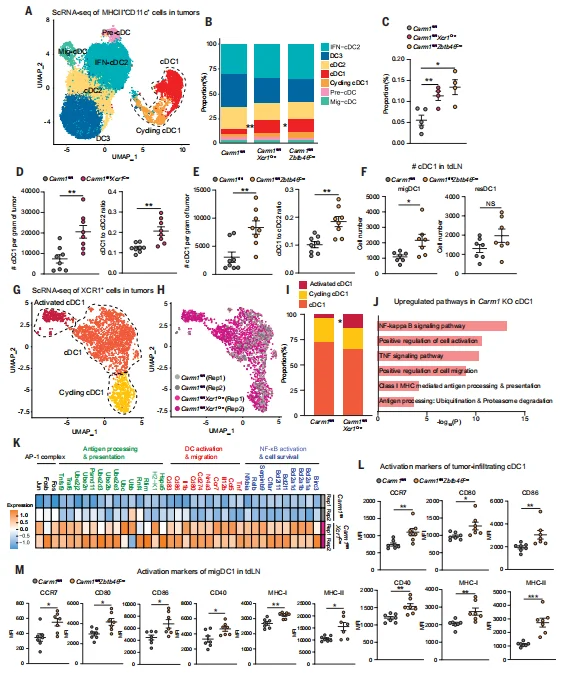
Fig. 3. Carm1 inactivation promotes the activation and accumulation of cDC1 in the TME
4. Epigenetic Mechanism: CARM1 Remodels Chromatin to Block the cDC1 Transcriptional Program
Integrated ATACseq and CUT&RUN analyses demonstrated that CARM1 catalyzes asymmetric dimethylation of H3R17, occupying PU.1:IRF8 ciselements and suppressing chromatin accessibility at BATF3 and RelA (NFκB) transcription factor motifs. Upon CARM1 loss, chromatin accessibility at BATF3/NFκB binding regions is markedly increased, directly activating genes essential for cDC1 maturation and crosspresentation. The TME suppressor TGFβ directly regulates CARM1 transcription: Smad2/3 bind to the Carm1 promoter to upregulate its mRNA, whereas proimmunogenic factors such as type I IFNs and TNFα downregulate CARM1, positioning CARM1 as a signaling integrator that mediates TGFβinduced cDC1 dysfunction.
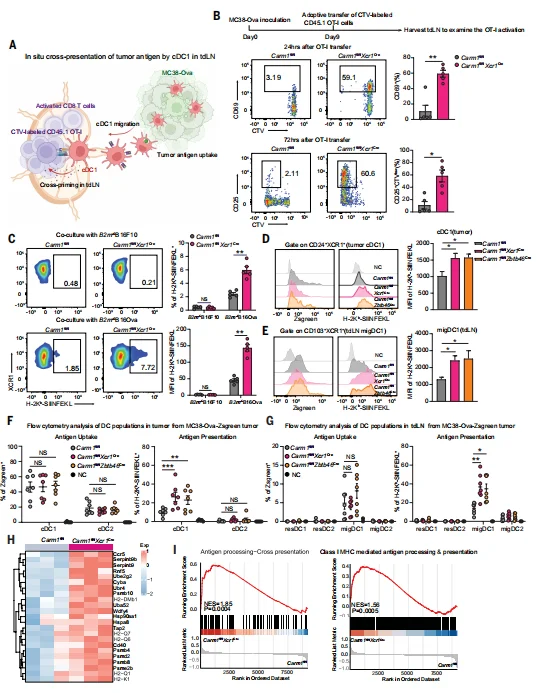
Fig. 4. Carm1 inactivation enhances antigen cross-presentation by cDC1 in vivo..
5. Local Delivery of a CARM1 SmallMolecule Inhibitor Substantially Enhances Neoantigen Vaccine Efficacy
EZM2302 was incorporated into a mesoporous silica rod (MSR)based
sustainedrelease vaccine scaffold for codelivery with neoantigen
peptides and CpG adjuvant. Local CARM1 inhibition significantly enhanced
cDC1 recruitment and activation at the vaccine site, promoted migDC1
migration to draining lymph nodes, and markedly increased the expansion
of neoantigenspecific CD8⁺ T cells.
In therapeutic vaccine models, the CARM1 inhibitor combination group
showed superior tumor growth inhibition and longterm survival benefit
compared to vaccine alone, accompanied by increased intratumoral
effector T cell infiltration and cytokine production.
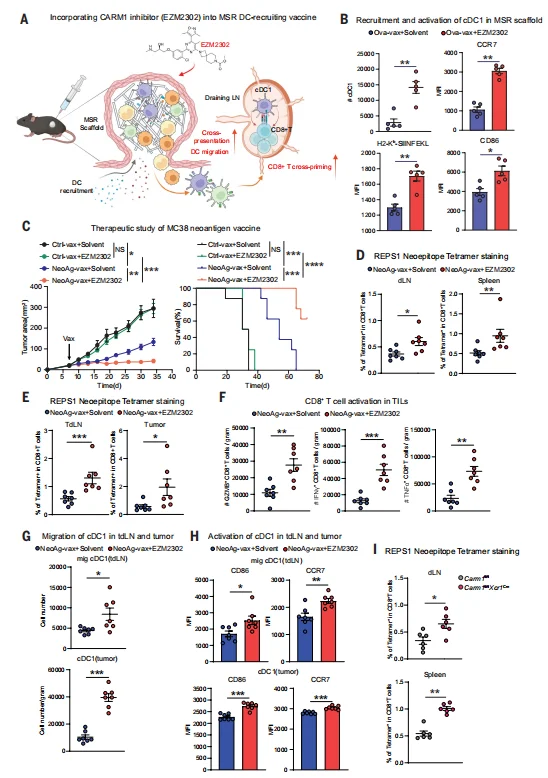
Fig 5. Small-Molecule CARM1 Inhibitors Locally Enhance cDC1 Function at the Vaccination Site
6. Human cDC1 System Validates Translational Potential
Human XCR1⁺ cDC1s were generated from cord blood CD34⁺ HSCs. Following CARM1 knockout or EZM2302 treatment, surface expression of HLAABC, HLADR, CD80/CD86, and CCR7 was significantly upregulated. CARM1deficient human cDC1s loaded with apoptotic NYESO1⁺ melanoma cells more potently activated NYESO1specific CD8⁺ T cells, with significantly elevated Ki67, IFNγ, and TNFα secretion, confirming that the pathway is conserved in human immune cells and has clinical translational potential.
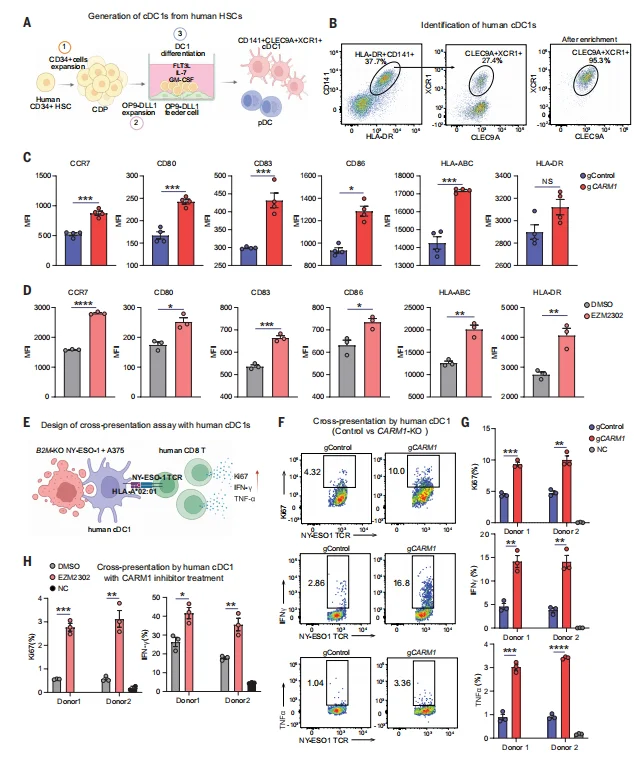
Fig 6. CARM1 Inhibition Enhances Human cDC1 Cell Function
Significance and Innovations
1. Mechanistic Innovation
This study identifies CARM1 as a cDCspecific epigenetic suppressor, elucidates the TGFβ–CARM1–BATF3/NFκB pathway, and demonstrates its selective inhibition of cDC1 without affecting cDC2, revealing a novel epigenetic mechanism underlying dendritic cell dysfunction in the tumor microenvironment.
2. Therapeutic and Translational Innovation
A smallmolecule CARM1targeting strategy is developed that synergizes with PD1 blockade and potentiates tumor vaccines, acting on three critical cell populations—tumor cells, T cells, and cDC1s. The pathway is conserved in both mouse and human DC systems, and the existing inhibitor EZM2302 is safe and welltolerated, offering strong translational potential as an immunoadjuvant for solid tumor immunotherapy.
Summary
This study establishes CARM1 as a cDC1restricted negative epigenetic regulator. TGFβ, acting through the Smad pathway, upregulates CARM1, which in turn blocks BATF3/NFκBmediated antigen crosspresentation, leading to dendritic cell functional exhaustion. Genetic ablation or pharmacological inhibition of CARM1 restores cDC1 activity, expands antitumor CD8⁺ T cells, and synergizes with PD1 blockade and tumor vaccines. The pathway is conserved in both humans and mice, providing a smallmoleculetargetable strategy for solid tumor immunotherapy.
Ubigene remains committed to the core philosophy of "Make Genome Editing Easier," continuously innovating its products and services. To date, we have achieved over 13,000 successful gene editing cases and offer more than 10,000 KO cell products. Our proprietary innovative technology enhances editing efficiency by 10 to 20fold compared to conventional methods. Ubigene has provided highquality gene editing services and products to over 10,000 life science laboratories, pharmaceutical companies, and CROs worldwide.
CARM1, also known as PRMT4, is a protein arginine methyltransferase primarily involved in epigenetic regulation through methylation of coactivators and other proteins to modulate gene expression. It plays critical roles in multiple biological processes and is closely associated with the development and progression of various cancers, including solid tumors. If you are interested in conducting research on CARM1, Ubigene can provide CARM1 knockout cells covering cell lines including HCT116, A549, and NCIN87, along with many other popular target KO cells with WB guarantee. For custom gene editing needs, please feel free to contact us! Welcome to contact us!
 Promotions