

APPswe Stable Expression Cell Line (SH-SY5Y)

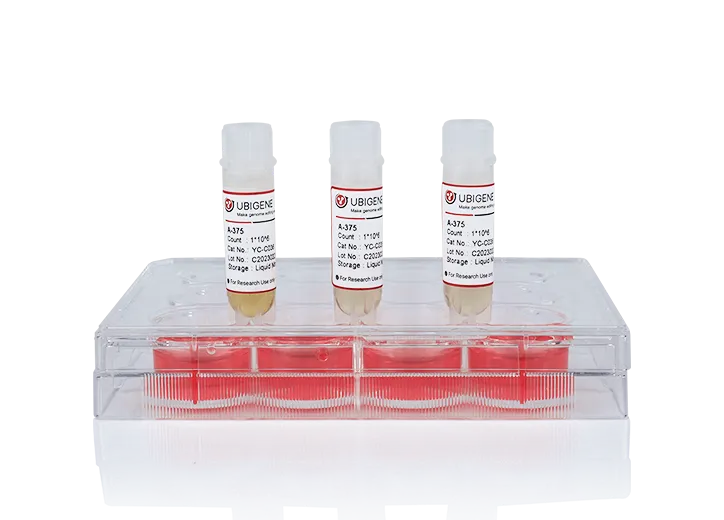
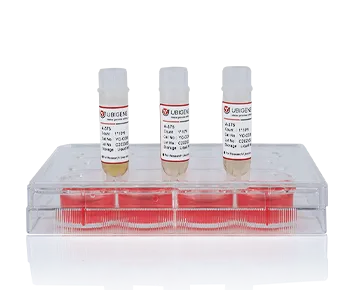
Red cotton OmniCell bank
This gene encodes a cell surface receptor and transmembrane precursor protein that is cleaved by secretases to form a number of peptides. Some of these peptides are secreted and can bind to the acetyltransferase complex APBB1/TIP60 to promote transcriptional activation, while others form the protein basis of the amyloid plaques found in the brains of patients with Alzheimer disease. In addition, two of the peptides are antimicrobial peptides, having been shown to have bacteriocidal and antifungal activities. Mutations in this gene have been implicated in autosomal dominant Alzheimer disease and cerebroarterial amyloidosis (cerebral amyloid angiopathy). Multiple transcript variants encoding several different isoforms have been found for this gene.
 For research use only. Not intended for human or animal clinical trials, therapeutic or diagnostic use.
 | Sample Name | APPswe-1CтMean | β-h_actinCтMean | ΔCтMean | ΔΔCт | Expression Rate |
|---|---|---|---|---|---|
| APPswe Stable Expression Cell Line (SH-SY5Y) | 16.481 | 15.098 | 1.383 | -1.829 | 3.553 |
| SH-SY5Y_Ctrl(Puro) | 20.082 | 16.87 | 3.212 | 0.000 | 1.000 |
Intended use
For research use only. Not intended for human or animal clinical trials, therapeutic or diagnostic use
Unpacking and Storage Instructions

Handling procedure
Product Advantage

Cas9 cell lines in our cell bank can stably express Cas9 protein. Each Cas9 Stable Cell Line is easy to use and enables gene knockout simply by transfecting gRNA, while transfection of gRNA and donor DNA results in gene knock-in or point mutations

These Cas9 stable cell lines have been used to construct the KO cell lines for various genes, gene KO efficiency 5-10 times improved.

Selected cells, low passages, good cell condition, high activity, applicable for all kinds of gene-editing experiments.
Related Popular Products



 Download
 Download
 Download
 Download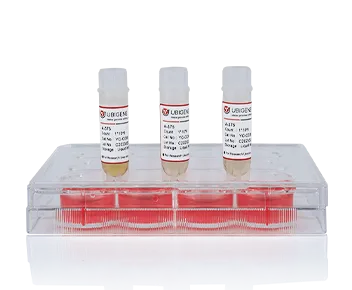


Contact Us
Simply fill out the form below to leave your inquiry
— we will respond within 24 Hours.
* Name
* Institution
* Products & Services of Interest
If email is not available, how else can we reach you?
How did you hear about us?