
Claudin-4: The Functional Receptor for BFT in ETBF-Induced Carcinogenesis

Introduction
The gut microbiota has been closely linked to the development and progression of colorectal cancer. Enterotoxigenic Bacteroides fragilis (ETBF) is a well-established procarcinogenic gut bacterium, and its secreted B. fragilis toxin (BFT) is the key effector molecule driving colon tumorigenesis. BFT cleaves E-cadherin on the surface of colonic epithelial cells, disrupts the epithelial barrier, and triggers proinflammatory and hyperproliferative responses. However, the cellular receptor of BFT and the molecular mechanism underlying BFT-mediated E-cadherin cleavage have long remained elusive. Through a genomewide CRISPR screen , this study identifies the tight junction protein Claudin-4 as a functional receptor for BFT and elucidates the core pathway by which claudin-4 binding enables BFT-mediated E-cadherin cleavage, providing new targets for colorectal cancer prevention and the treatment of ETBF-associated infections.
Background
Enterotoxigenic Bacteroides fragilis is epidemiologically associated with colorectal cancer and drives colon tumor formation in susceptible mice, with BFT being the sole indispensable virulence factor . BFT is a metalloprotease that binds to an unknown receptor on colonic epithelial cells and rapidly cleaves the E-cadherin ectodomain, leading to β-catenin nuclear translocation, cell rounding, and hyperproliferation. Although BFT shares structural homology with mammalian ADAM proteases, it cannot directly cleave purified E-cadherin in vitro , suggesting that host receptor engagement is required. Therefore, identifying the BFT receptor and its mechanism of action is a prerequisite for developing targeted anti-BFT therapies for cancer prevention and infection control.
Objectives
- Identify the functional receptor of BFT on colonic epithelial cells.
- Elucidate the molecular mechanism by which receptor binding enables BFT-mediated E-cadherin cleavage.
- Validate the in vitro and in vivo efficacy of blocking receptor–toxin interactions to neutralize BFT toxicity.
Workflow
- Genome-wide CRISPR screen: Identified claudin-4 as the critical host factor for BFT toxicity.
- Gene knockout and rescue: Confirmed claudin-4 as an essential receptor for BFT toxicity.
- Binding assays: Demonstrated direct physical interaction between BFT and claudin-4.
- Mutational mapping: Pinpointed the ECS1 domain and residue T45 of claudin-4 as critical for binding.
- Mechanism: Claudin-4 recruits BFT to the plasma membrane, enabling direct membrane-proximal cleavage of E-cadherin.
- In vivo validation: Soluble claudin-4 competitively binds BFT and blocks colonic epithelial damage.
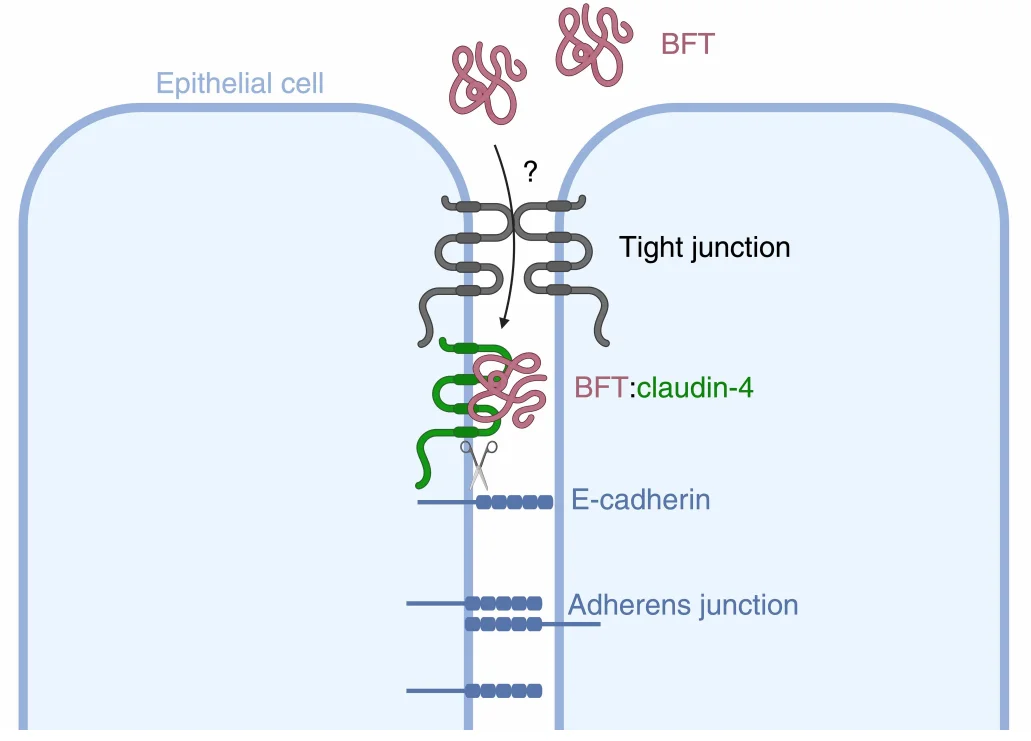
Schematic model of BFT action on epithelial cell
Key Findings
1. CRISPR Screen Identifies Host Factors for BFT Toxicity
To systematically identify host factors regulating BFT toxicity, the team performed a genomewide CRISPR knockout screen using resistance to BFT-mediated surface E-cadherin retention as the selection phenotype. After two rounds of selection and high-throughput sequencing analysis, the tight junction protein-encoding gene CLDN4 (claudin-4) emerged as the most significantly enriched hit, with its close homologue CLDN3 (claudin-3) also ranking highly. These results directly show Claudin-4 as host determinant of BFT toxicity.
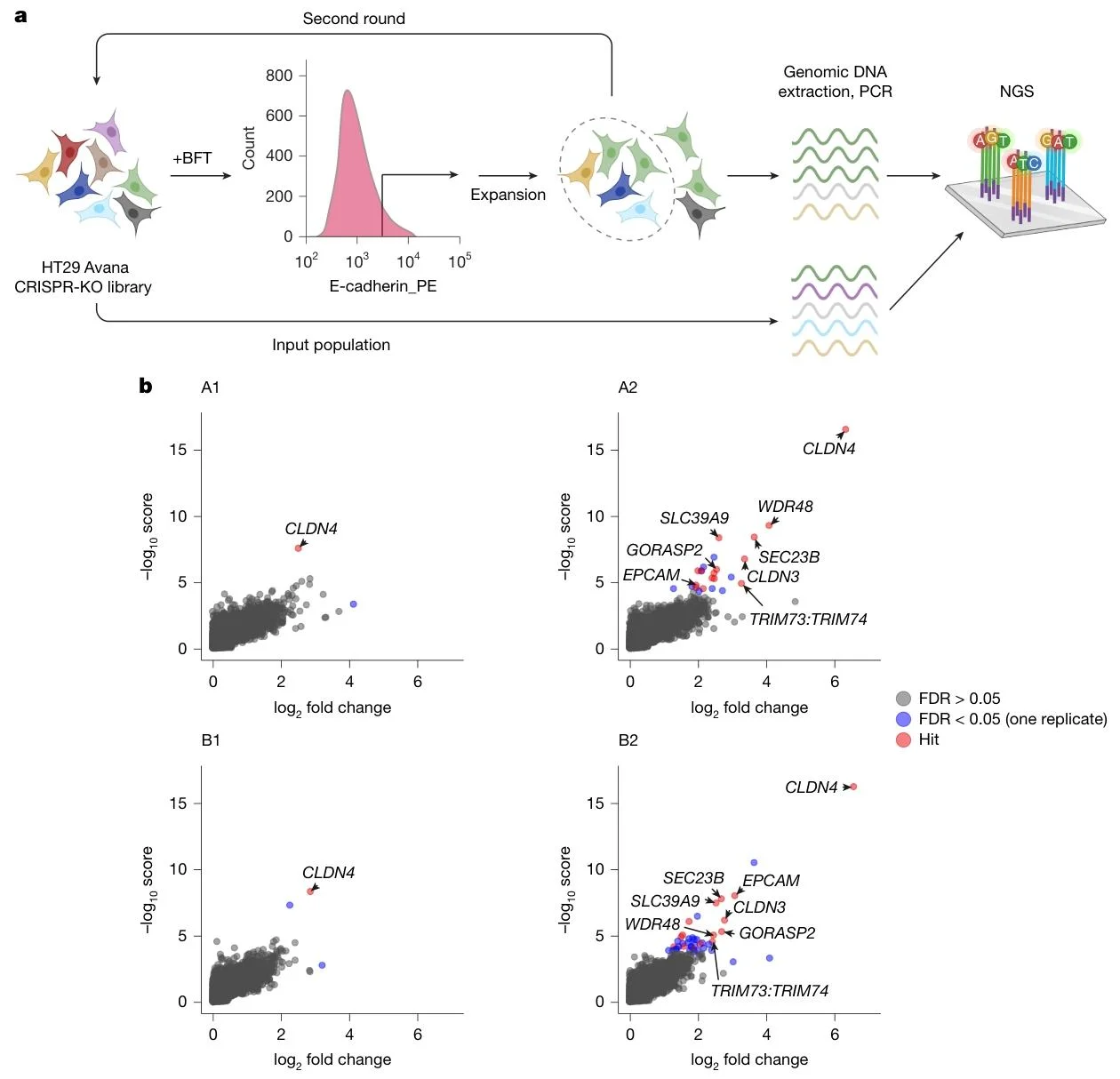
Fig. 1 | Genome-wide CRISPR-KO screen shows Claudin-4 as host determinant of BFT toxicity.
2. Claudin-4 Is Critical for BFT Toxicity
Following the identification of claudin-4 as the top candidate, the team generated claudin-4 single-knockout, claudin-3 single-knockout, and claudin-4/claudin-3 double-knockout cell lines for functional validation. Cell morphology, dose-response curves, and transepithelial electrical resistance measurements collectively demonstrated that claudin-4 knockout conferred marked resistance to BFT, significantly impairing E-cadherin cleavage and epithelial barrier disruption. Claudin-3 single-knockout had little effect, and only partially compensated in the absence of claudin-4. This established claudin-4 as host determinant of BFT toxicity.
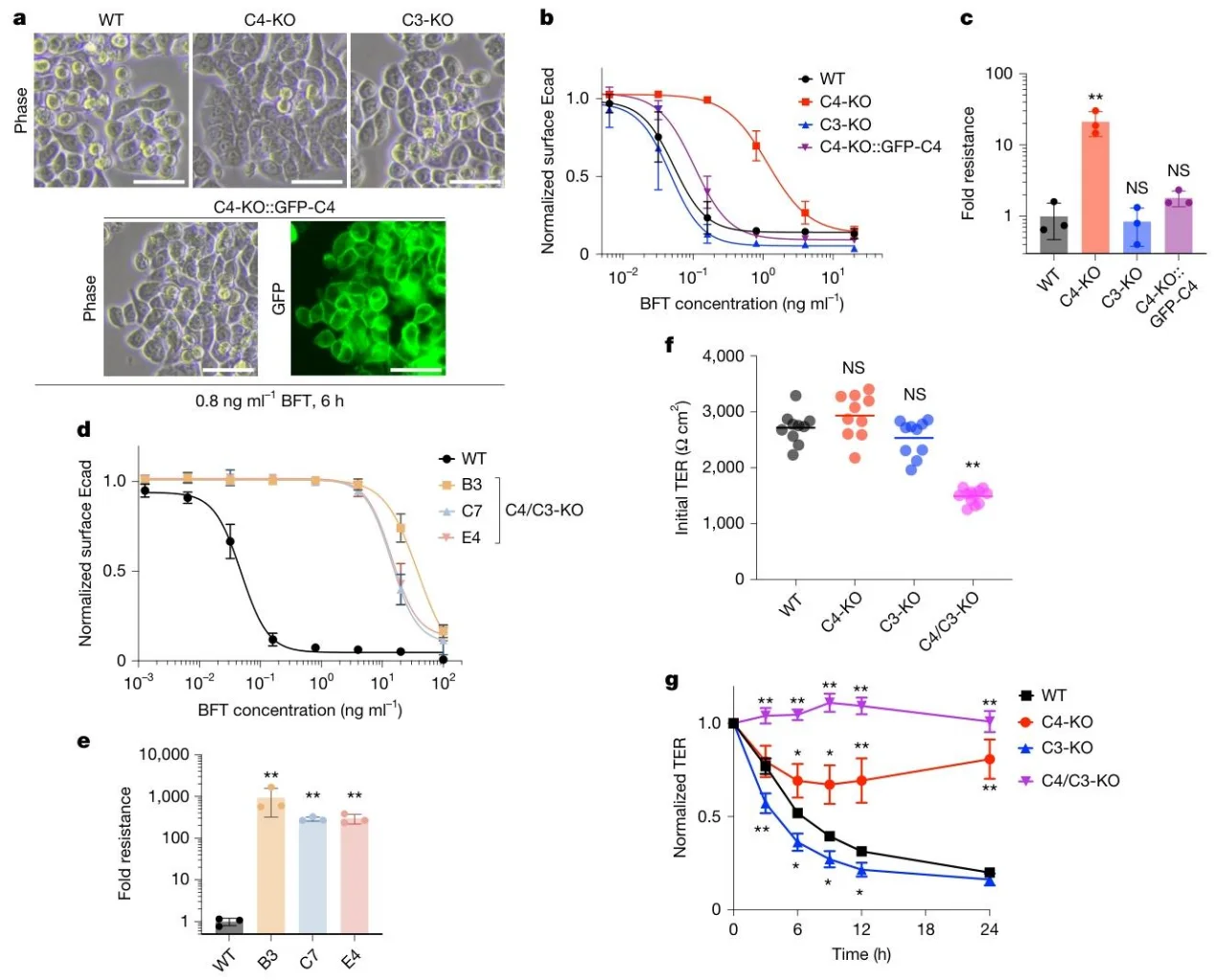
Fig. 2 | claudin-4 is identified as a host determinant of BFT toxicity.
3. Claudin-4 Is a BFT Receptor
To confirm that claudin-4 serves as the BFT receptor, the team performed a series of molecular binding experiments. Flow cytometry, immunoblotting, and co-immunoprecipitation demonstrated that BFT stably bound to the surface of wild-type cells but failed to bind to claudin-4-deficient cells. Moreover, direct physical interaction between BFT and claudin-4 was confirmed by pull-down assays, providing compelling evidence that claudin-4 is a specific receptor for BFT.
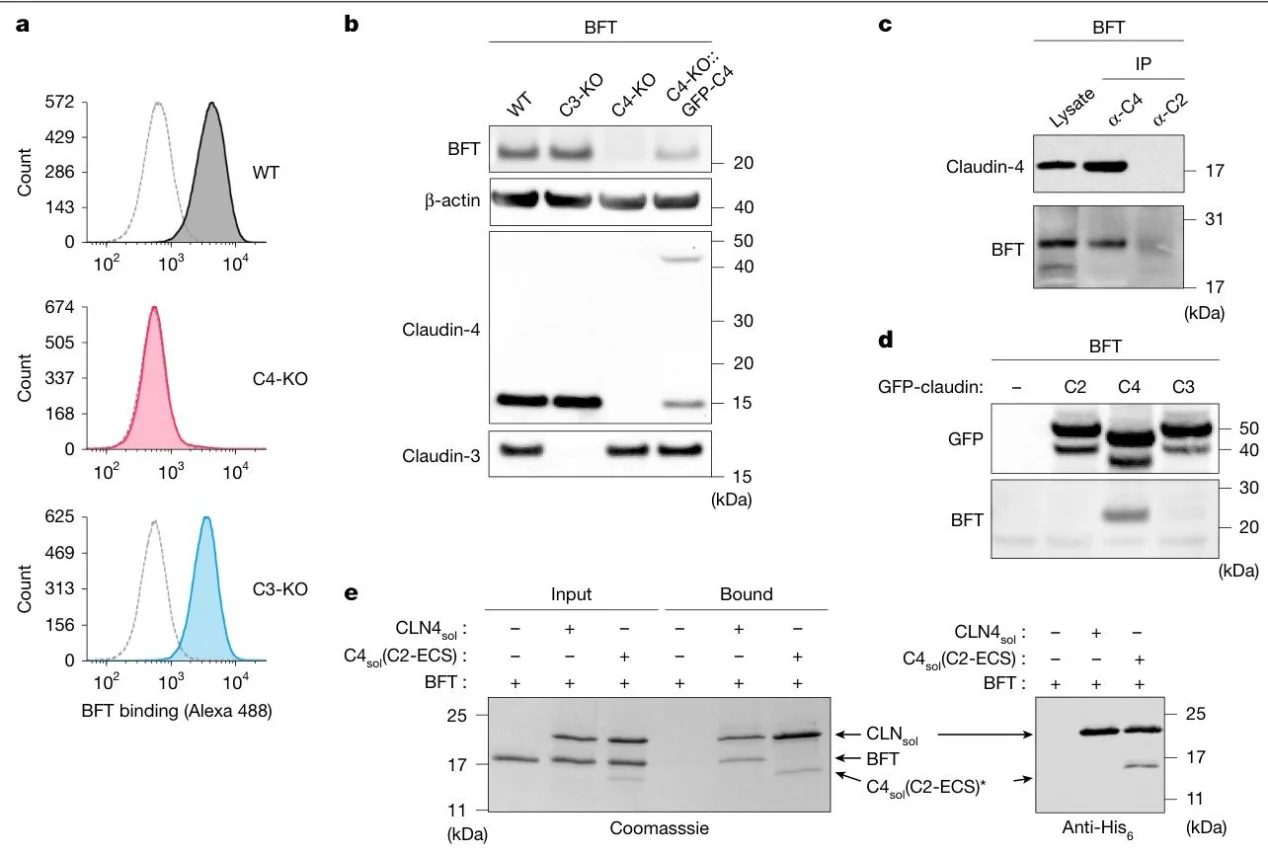
Fig. 3 | Claudin-4 is a BFT receptor.
4. Identification of Key Claudin-4 Residues for BFT Recognition
Using chimeric and point mutants, the team mapped the critical binding region on claudin-4. Cell-based assays revealed that the first extracellular segment (ECS1) of claudin-4 is the core domain for BFT binding. Strikingly, a single T45N substitution within ECS1 completely abrogated stable BFT binding and markedly reduced BFT-mediated E-cadherin cleavage, whereas deletion of the cytoplasmic C-terminal domain had little effect on BFT toxicity. These experiments precisely identified residue T45 within ECS1 as the critical determinant for BFT recognition.
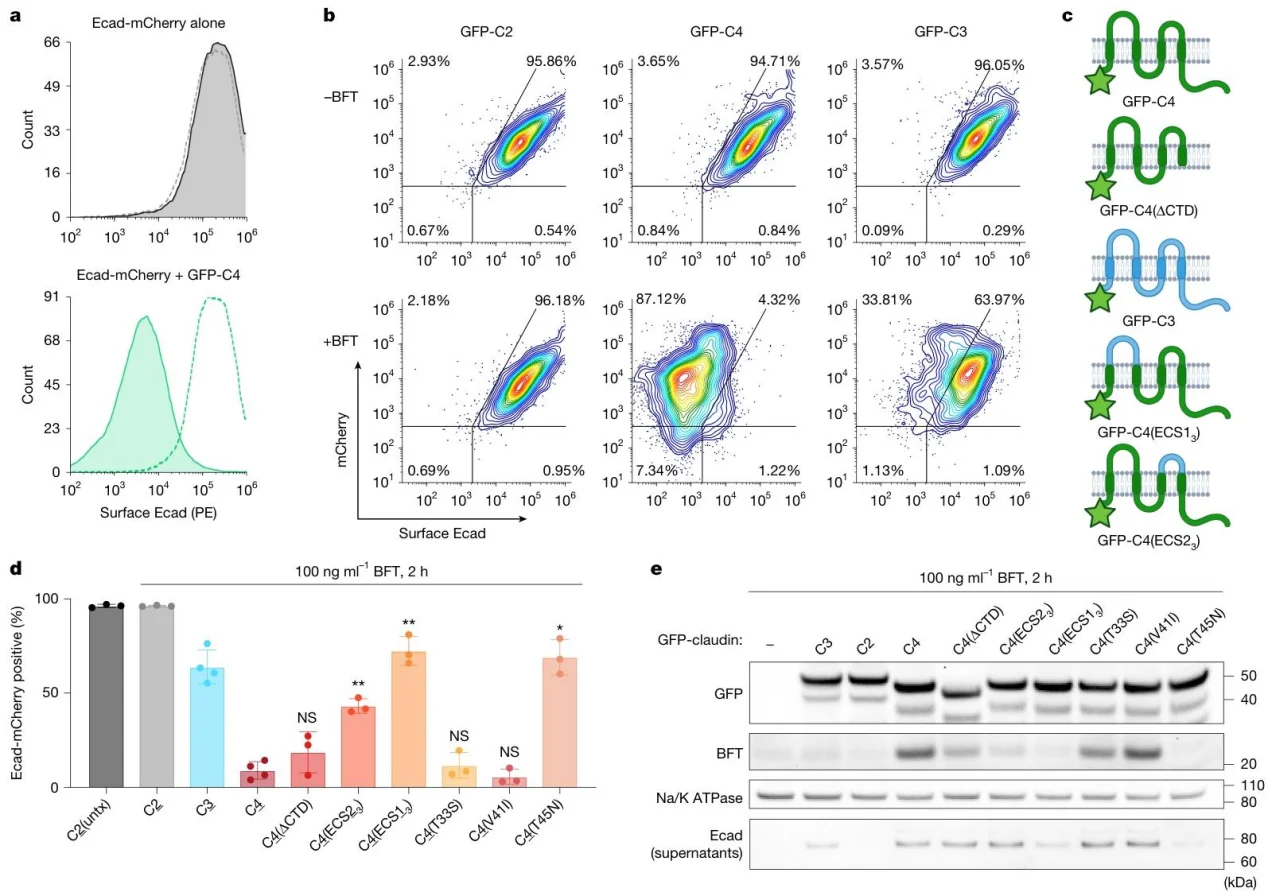
Fig. 4 | Claudin-4 and claudin-3 expression enable BFT-mediated E-cadherin cleavage
5. Soluble Claudin-4 Analogue Blocks BFT Toxicity In Vivo
Finally, the therapeutic potential of targeting the BFT–claudin-4 interaction was validated in an in vivo mouse caecal injection model. Coinjection of a soluble claudin-4 analogue competitively bound BFT, significantly reducing BFT-induced colonic epithelial shedding and oedema, and effectively preserving surface E-cadherin staining. These results directly demonstrate that blocking the BFT–claudin-4 interaction can inhibit BFT toxicity in vivo.
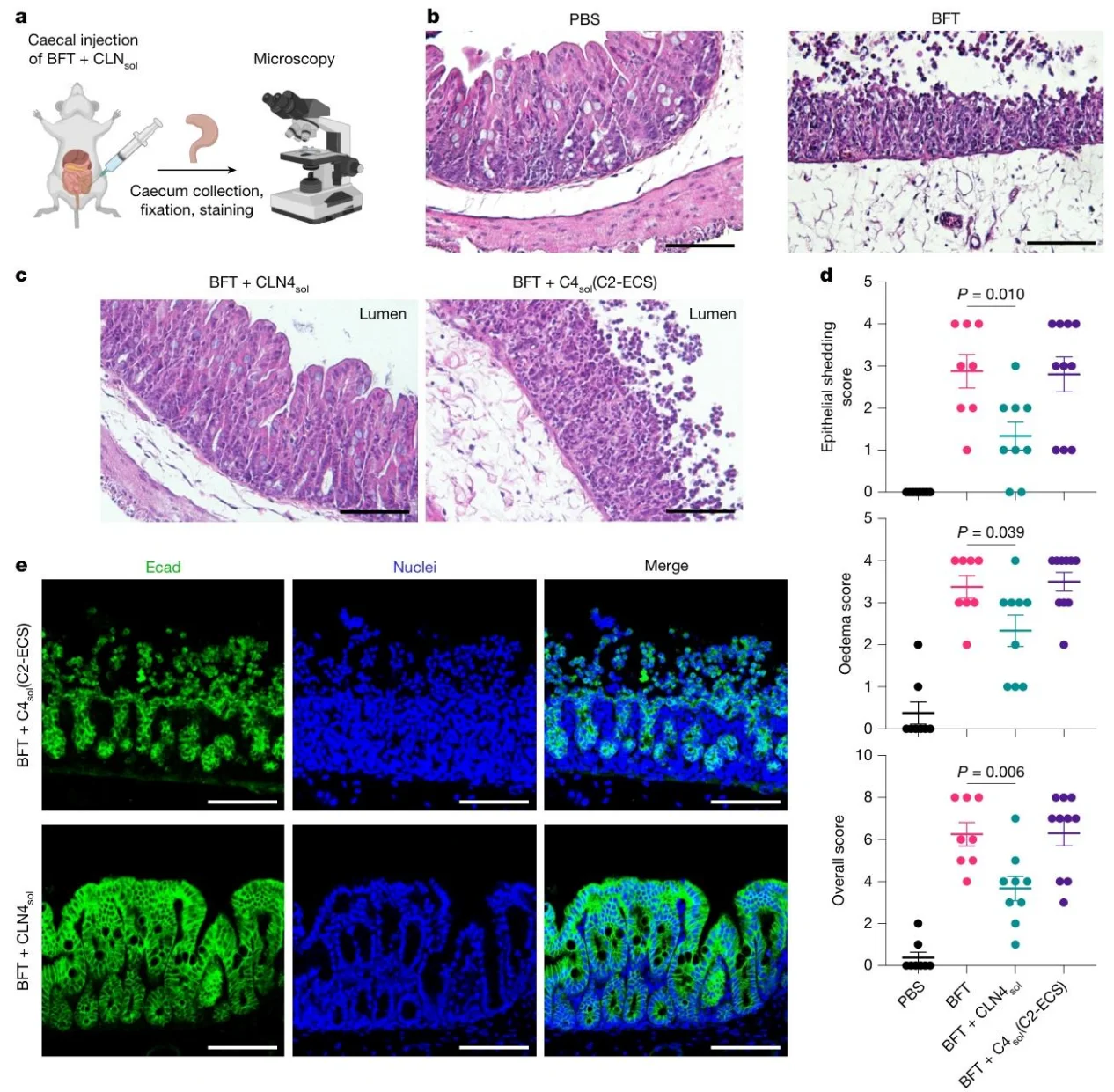
Fig. 5 | Soluble claudin-4 analogue blocks BFT
Summary
Through a genomewide CRISPR screen, this study makes the groundbreaking discovery that the tight junction protein claudin-4 is the specific receptor for the enterotoxigenic Bacteroides fragilis toxin BFT. BFT binds claudin-4 to recruit itself to the colonic epithelial cell membrane, enabling precise membrane-proximal cleavage of E-cadherin, which triggers epithelial barrier disruption, procarcinogenic inflammation, and tumorigenesis. The ECS1 domain and residue T45 of claudin-4 are critical for toxin recognition, and soluble claudin-4 can competitively block BFT toxicity. These findings not only elucidate the core procarcinogenic mechanism of ETBF but also provide a new targeted strategy for colorectal cancer prevention and treatment of bacterial diarrheal diseases.
Ubigene CRISPRiScreen™ Libraries
CRISPRiScreen™ is an innovative technology independently developed by Ubigene. Currently, Ubigene offers over 40 ready-to-use CRISPR libraries and one-stop CRISPR functional screening services (in vitro/in vivo) to support your research. In addition, Ubigene provides the Brunello knockout library with optimized sgRNA sequences, which demonstrates superior screening performance compared to the commonly used AVANA knockout library.
For more information, please feel free to contact us.
Contact us for more details >>> Promotions