
High-MOI Multiplex Perturbation Strategy Enables Scalable Pooled CRISPRi Screening with significant reduced Cell Input

Introduction
Conventional pooled CRISPR screens typically adopt low MOI (0.3–0.5) to ensure single-sgRNA integration per cell, necessitating 200–500× sgRNA coverage. Genome-wide screens thus demand tens of millions of cells , incurring high costs and posing challenges for primary cells and in vivo models. To reduce cell input and compress screen scale, previous strategies have focused on optimizing sgRNA sequences and library architectures, while high MOI mediated co-expression of multiple sgRNAs has remained underexplored. This study systematically investigated the impact of graded MOI on CRISPRi screening performance, defined the optimal MOI range, and established a multiplexed screening pipeline that substantially reduces cell consumption. This pipeline was applied to a genome-wide screen for ICAM-1 regulators, providing a generalizable paradigm for CRISPR screens under resource-limited conditions.
Key Innovations
- Development of a streamlined flowcytometrybased MOI quantification method: Fluorescent MFI was used as a surrogate for dPCR, enabling lowcost, highthroughput determination of infection levels in bulk samples via calibration with lowMOI references. Making it accessible to any laboratory.
- Establishment of a threecondition comparative evaluation framework with MOI gradients: Incorporating constantcellnumber, constantsgRNAnumber, and lowMOI control groups, it quantified screening performance using AUC and ROCAUC metrics, defining a universal standard for assessing highMOI screening efficacy.
- Development of an compressed genomewide CRISPRi screening technology: By integrating highMOI multiplex perturbation with barcoded libraries, the cell requirements can be compressed by 5 to 10fold, enabling genomewide phenotypic sorting with as few as 500,000 cells, suitable for scarce samples such as culture-difficult cells and primary cells.
- Creation of a multigene simultaneous CRISPRi perturbation platform: Achieving efficient coknockdown of multiple genes per cell without discernible phenotypic interference, this platform provides technical support for studies of genetic interactions and pathway networks.
Research Workflow
- Gradient viral dose transduction, combined with dPCR and flow‑cytometric MFI, to establish a rapid MOI quantification method.
- Co‑infection with multiple sgRNAs to validate simultaneous knockdown efficiency at varying MOIs.
- Construction of a compact epigenetic-targeting sgRNA library, perform the experiment with three variants: constant cell number, constant sgRNA number, and low‑MOI control. Apply graded MOI to each group to perform essential‑gene and drug‑tolerance screens.
- Application of MOI 0.3 and 5 (with multiple cell‑coverage gradients) and FACS‑based sorting for a compressed genome-wide ICAM-1 screen, followed by single‑gene validation.
- Construction of ICAM-1 regulatory interaction network to elucidate functional pathways and potential therapeutic targets.
Results
1. Optimization of high-MOI infection and multigene coknockdown
The study optimized lentiviral transduction conditions and found that centrifugal infection combined with polybrene significantly enhanced transduction efficiency. With increasing viral dose, the integrated lentiviral copy number per cell reached a plateau at approximately 30 copies/cell, displaying a nonlinear relationship. Notably, the mean fluorescence intensity (MFI) of the reporter protein correlated strongly with viral copy number determined by dPCR, enabling rapid MOI estimation via flowcytometric MFI as a simple alternative to dPCR. In addition, it is confirmed via the CRISPRi system that elevated MOI allows a single cell to stably silence at least 5 target genes simultaneously, with minimal crossinterference, and this effect was reproducible across K562 and HEK293T cell lines.
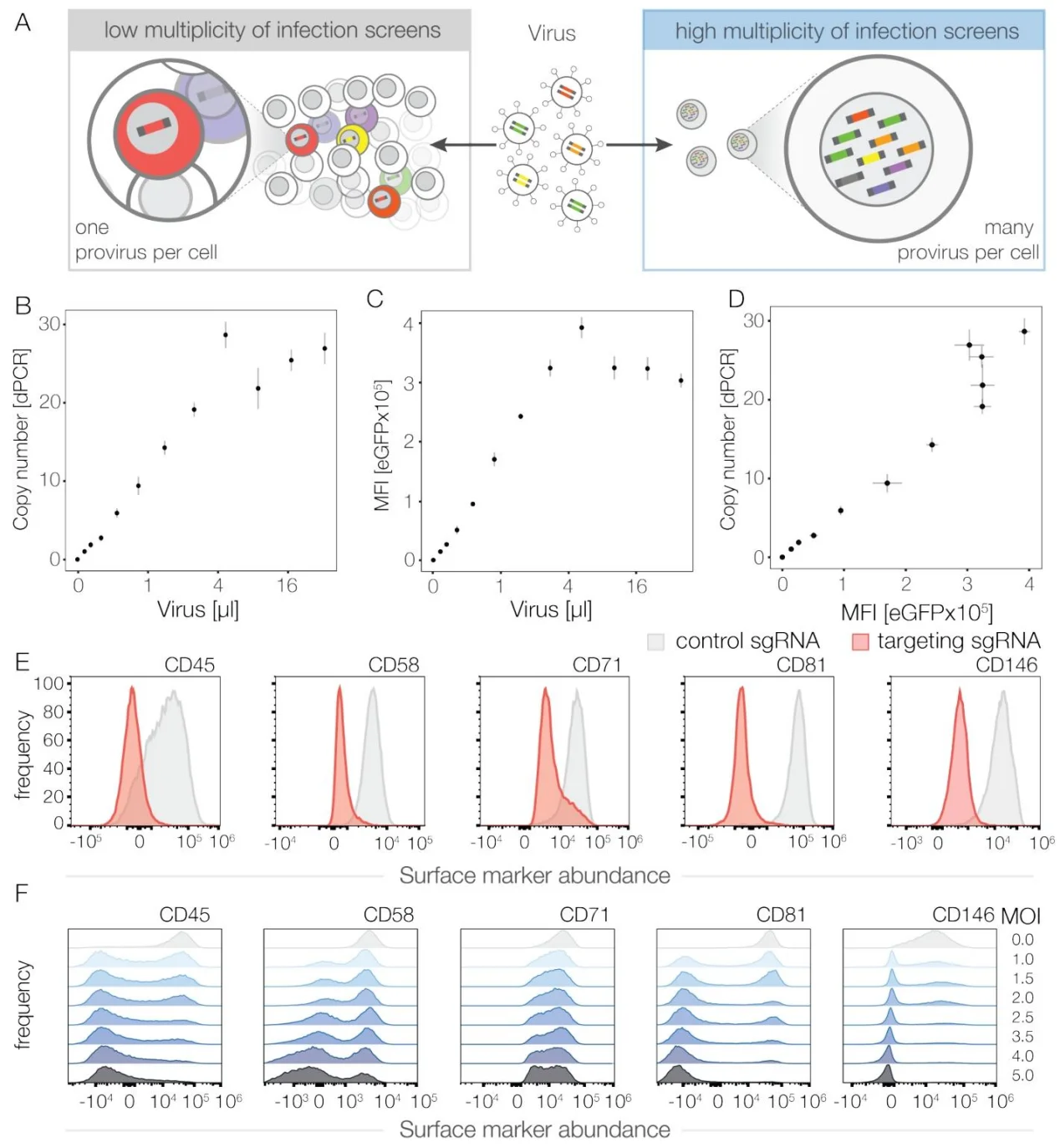
Figure 1. Lentiviral high-MOI CRISPR guide RNA delivery and simplified copy number quantification.
2. Compact library construction and gradient screening platform
To enable method validation, the study constructed a compact sgRNA library targeting epigenetic regulators, whose gene composition and essentialgene proportion closely mirrored those of standard genomewide libraries, thus serving as a surrogate for method development. Three experimental paradigms—constant cell number, constant sgRNA number, and lowMOI control—were designed with graded MOI for lentiviral transduction. Fluorescence quantification, dPCR copynumber assessment, and barcode diversity analysis confirmed that the entire library and gradient system were robust and reproducible for subsequent performance evaluation.
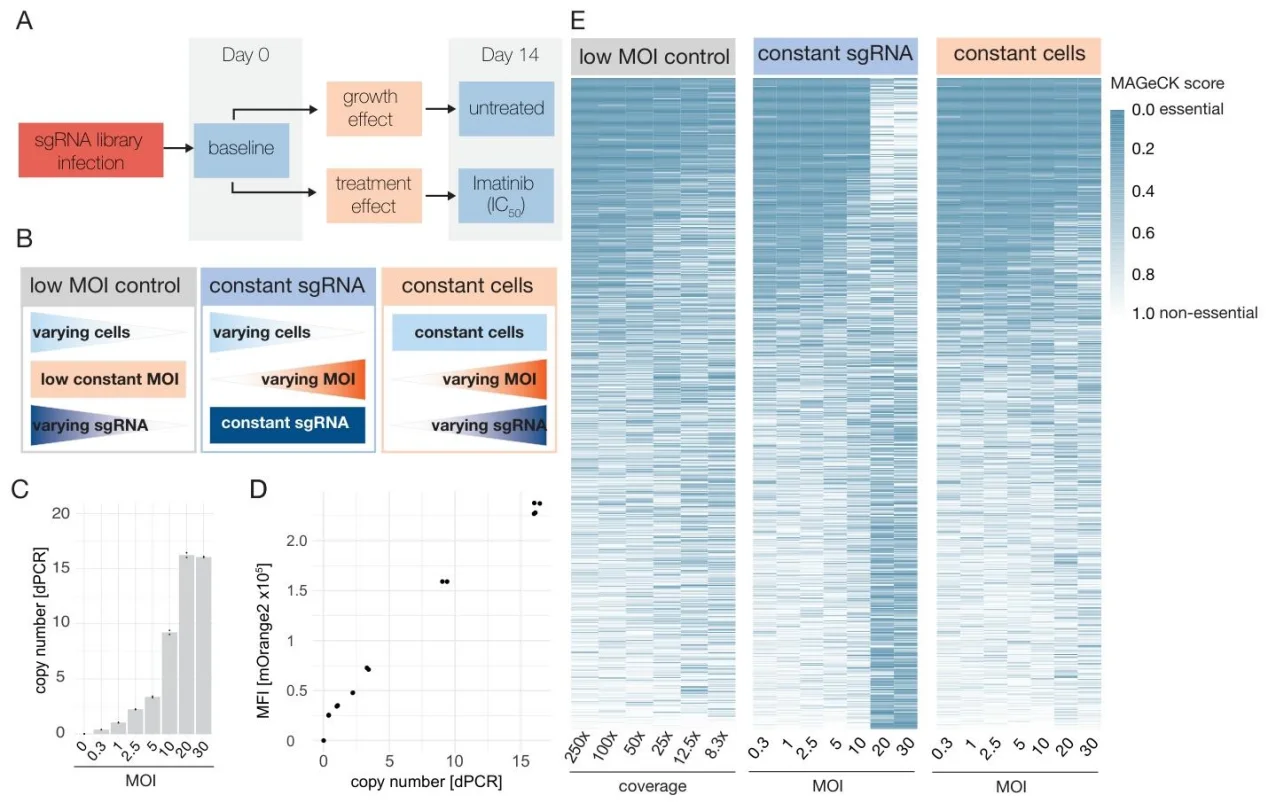
Figure 2. MOI-dependent CRISPRi performance in essential gene and drug tolerance genetic screens.
3. Defining the optimal MOI window
In the cellular essentialgene screening model, the study determined that MOI 2.5–10 represents the optimal range for CRISPRi screening, within which geneidentification accuracy and interreplicate correlations remained maximal. Moderate MOI also mitigated the loss of lowabundance sgRNAs during screening. Under conventional lowMOI (0.3) conditions, reducing cell numbers caused marked performance deterioration; in contrast, MOI 2.5–5 tolerated a 2.5 to 5fold reduction in cell input, achieving screening efficacy equivalent to the traditional 250× coverage with only 50× library coverage.
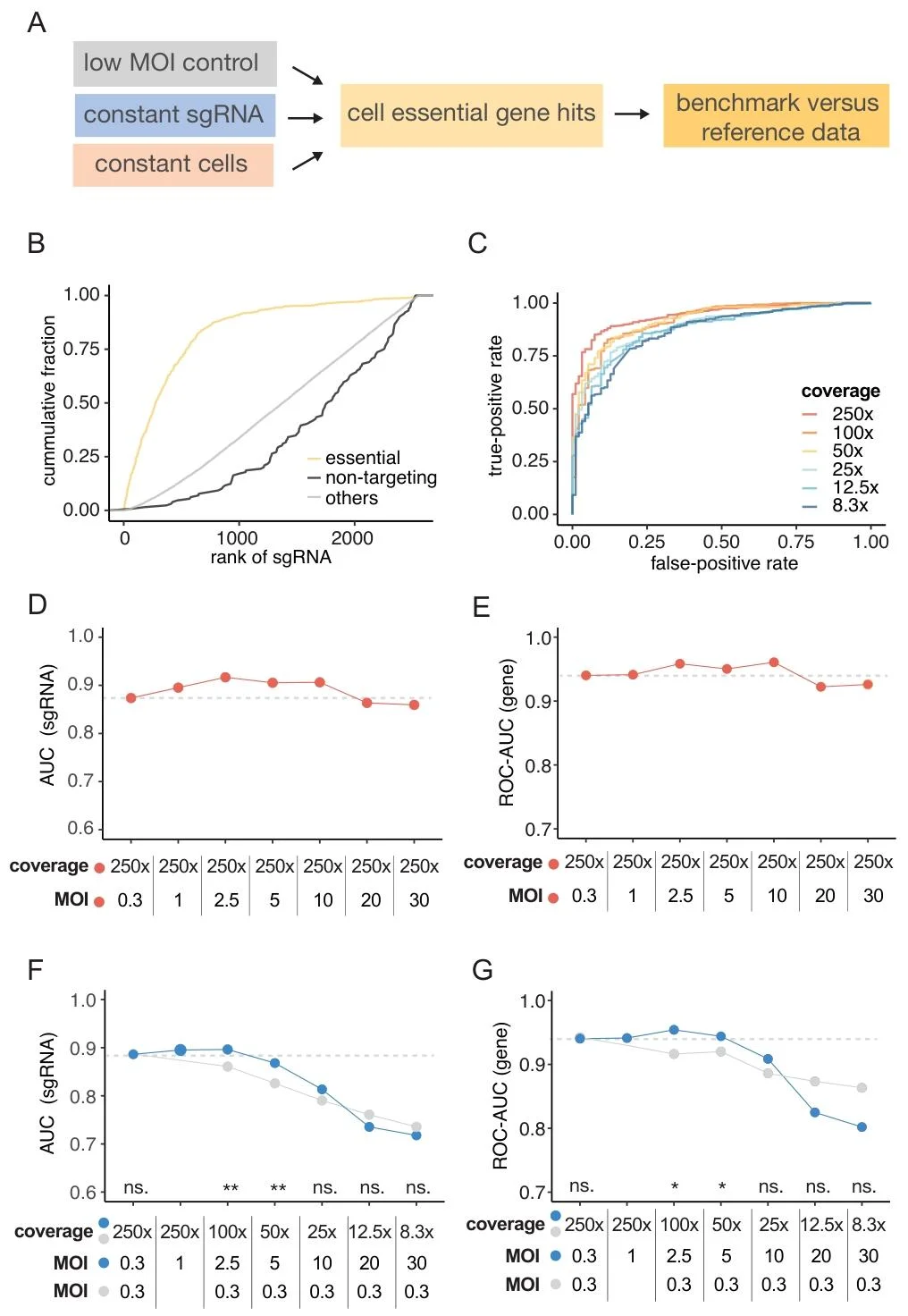
Figure 3. Moderate‑to‑high MOI gRNA libraries enhance CRISPRi screening efficiency.
4. High MOI improves drug-tolerance gene discovery
Using imatinib resistance as a phenotypic model, the study further validated the optimal MOI range: moderate MOI (2.5-5) yielded the highest number of resistancegene hits and the greatest truepositive rate. Under equivalent cellreduction conditions, elevating MOI effectively compensated for performance losses due to reduced cell numbers. Conversely, maintaining low MOI while simply decreasing cell input resulted in substantial dropout of resistance targets and significantly compromised screening reliability.
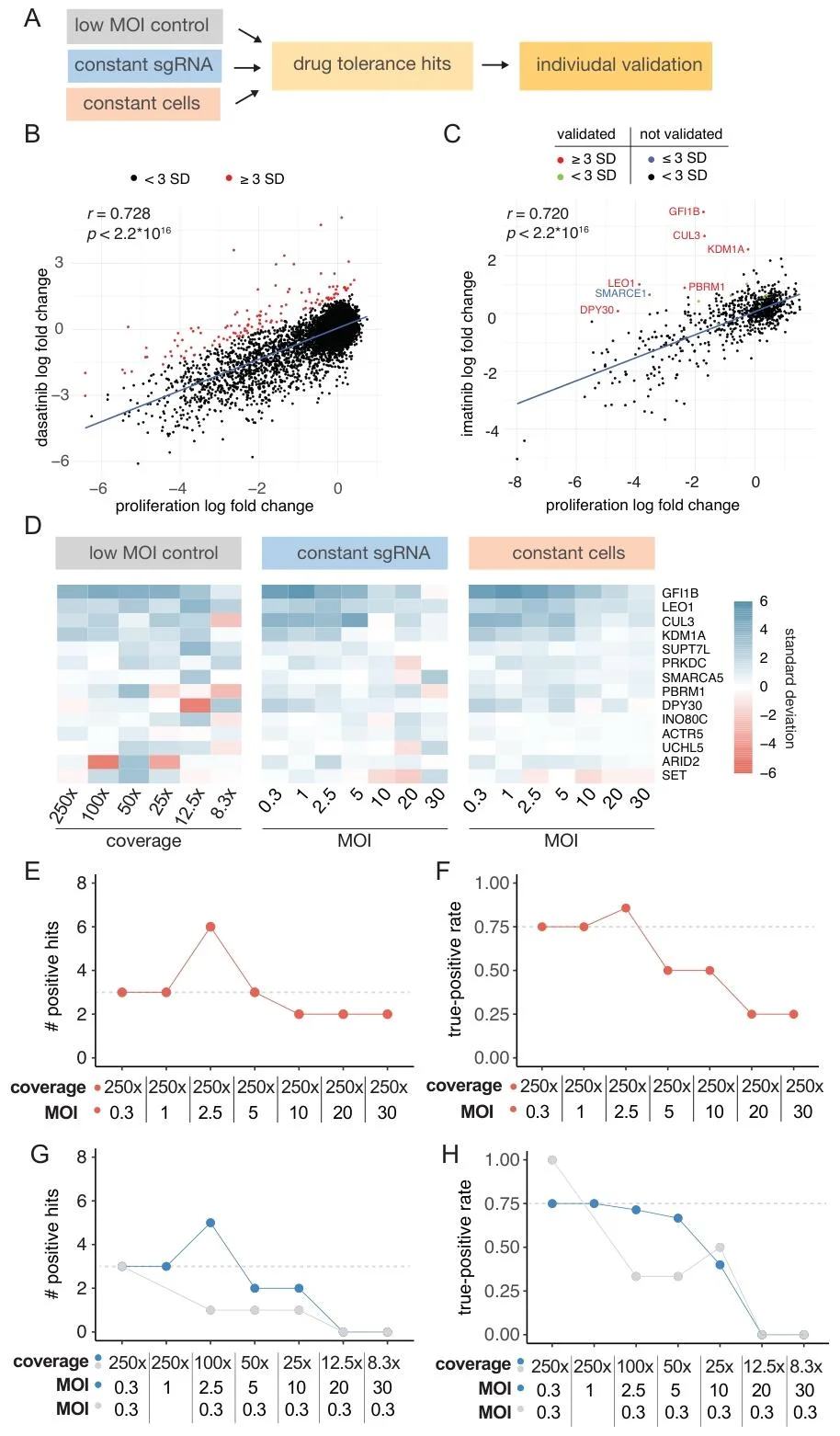
Figure 4. Impact of sgRNA multiplexing on CRISPRi drug tolerance screening.
5. Significant reduced cell input genome-wide screen identifies ICAM1 regulators
Applying the optimized moderateMOI conditions to a genomewide FACSbased screen for ICAM1 expression regulators, the screening was successfully completed with only 500,000 cells (25× low coverage). Novel regulators including TRAF6, AMBRA1, and NUMBL are identifyed. Comparison across different cellcoverage levels showed that the MOI5 group exhibited far superior sample correlations and hitoverlap rates compared to the conventional lowMOI group, maintaining high screening accuracy and truepositive rates even under a significant reduced cell input.
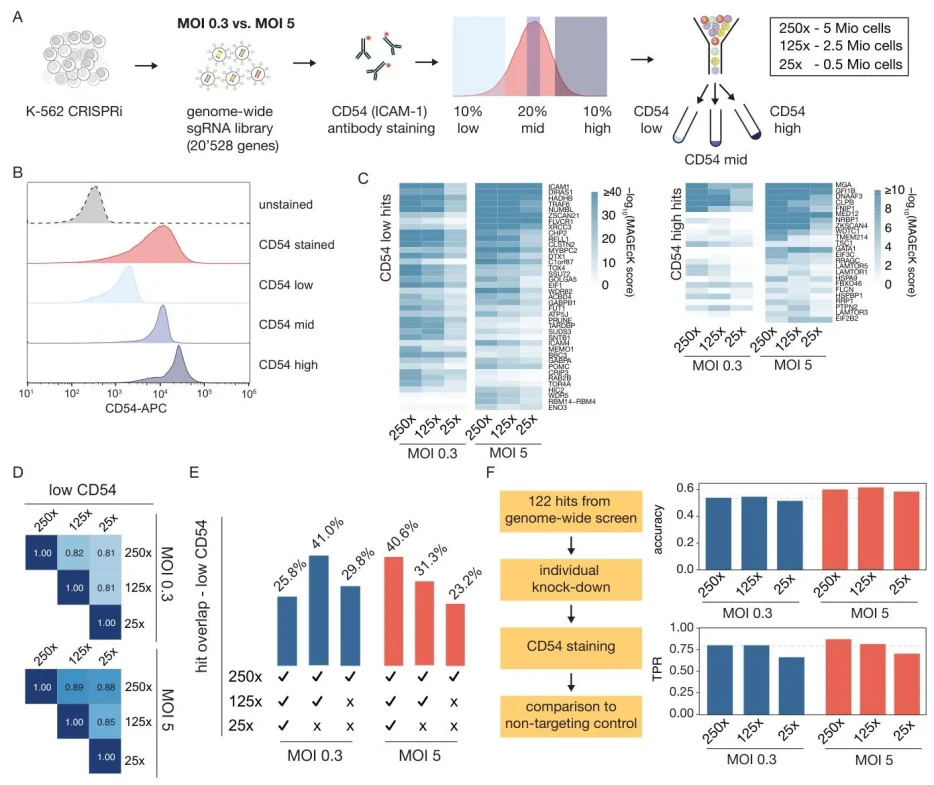
Figure 5. Compressed FACS-based CRISPR screening using gRNA multiplexing.
Summary
This study revolutionized the traditional lowMOI screening paradigm by defining MOI 2.5–10 as the optimal range for multiplexed CRISPRi screening, which preserves sensitivity and specificity while reducing cell input by 2.5 to 5fold, enabling genomewide screens with as few as 500,000 cells. The study established three readily implementable technical frameworks: flowcytometric MFIbased rapid MOI quantification, standardized screening evaluation, and ultralowcellinput compressed screening. Excessively high MOI (>10) led to diminished performance due to sgRNA interference and cytotoxicity. The novel approach substantially lowers costs associated with cell culture, drug treatment, and sorting, making it particularly suitable for resourceconstrained laboratories and studies involving primary or in vivo models. Moreover, the delineation of the ICAM1 regulatory network offers new directions for immunoinflammatory and tumortargeted therapies. Nevertheless, from a bioinformatics perspective, this method presents considerable challenges: multisgRNA coperturbation prevents direct assignment of phenotypes to individual genes, greatly increasing the difficulty of normalization and deconvolution; it violates statistical independence, renders conventional algorithms inapplicable, and elevates falsepositive rates.
Ubigene Biosciences CRISPR-iScreen™ Library
CRISPR-iScreen™ is an innovative technology independently developed by Ubigene Biosciences, designed to achieve efficient CRISPR screening. Currently, Ubigene Biosciences offers over 40 types of ready-to-ship CRISPR library plasmids , covering whole-genome knockout/inhibition/activation libraries for human, mouse, green monkey, pig, and other species; in addition, there are CRISPR knockout/inhibition/activation sub-libraries constructed for kinases, cell cycle, membrane proteins, metabolism, and other related genes to help you easily achieve target screening! We also provide 150+ ready-to-ship library viruses, 1000+ library Cell Pool products, one-stop CRISPR library (in vivo/in vitro) functional screening services, and library NGS sequencing services, ready to support your research needs at any time.
Inquire Now! Promotions