
CRISPR Screening Identifies the αKG–Carnitine Axis as a Metabolic Driver of Drug Resistance in HR-Proficient Ovarian Cancer

Introduction
Tumors with homologous recombination (HR) deficiency are highly sensitive to DNA-damaging agents, while in contrast, HR-proficient ovarian cancers—particularly those driven by CCNE1 amplification or MYC overexpression—are inherently resistant to these therapies. Previous studies have primarily focused on the role of α-ketoglutarate (αKG) as a co-substrate for αKG-dependent dioxygenases that regulate DNA and histone demethylation. Whether αKG also modulates HR repair through histone acetylation has remained unknown.
Using a targeted CRISPR knockout library against 64 αKG-dependent dioxygenases, the authors identified trimethyllysine hydroxylase epsilon (TMLHE) as the critical rate-limiting enzyme linking αKG metabolism to therapeutic resistance. Mechanistically, the study demonstrates that αKG regulates de novo carnitine synthesis, thereby increasing histone acetylation and enhancing HR-mediated DNA repair. These findings uncover a previously unrecognized metabolic–epigenetic pathway and identify the αKG–TMLHE–carnitine axis as a potential therapeutic target for sensitizing HR-proficient tumors to DNA-damaging therapies.
Key Highlights
- Conceptual Advances: This study expands the biological functions of αKG beyond its established role in DNA and histone demethylation. For the first time, the authors demonstrate that αKG regulates site-specific histone acetylation through the TMLHE-dependent de novo carnitine synthesis pathway, establishing a previously unrecognized regulatory axis linking metabolism, acetyl-CoA availability, epigenetic regulation, and DNA repair ; The work further identifies acetylcarnitine as an independent nuclear source of acetyl-CoA from canonical ACLY pathway, thereby refining the current understanding of nuclear acetyl-CoA metabolism.
-
Technical Advances:
A focused CRISPR-based metabolic–epigenetic screen targeting 64 αKG-dependent dioxygenases identified TMLHE, a previously uncharacterized gene whose role in cancer drug resistance had remained unclear.
By combining a cell-free Xenopus DNA repair system with a site-specific DSB (U2OS-mCherry-LacI-Fok1) cell model, the study eliminated transcriptional interference and directly demonstrated that histone acetylation regulates HR; Stable isotope tracing using d9-TML and 13C-labeled acetylcarnitine quantitatively mapped carbon flux through the de novo carnitine synthesis pathway and established acetylcarnitine as a direct carbon source for histone acetylation.
Workflow
- Deplete intracellular αKG using an IDH1 inhibitor or glutamine starvation, and evaluate the sensitivity of HR-proficient ovarian cancer cells to olaparib and cisplatin;
- Perform a targeted CRISPR knockout screen covering 64 αKG-dependent dioxygenases to identify TMLHE as the key regulator;
- Define how αKG regulates TMLHE activity and controls intracellular carnitine and acetylcarnitine production;
- Demonstrate that the αKG–carnitine axis regulates both global and site-specific histone acetylation, independently of the ACLY-mediated acetyl-CoA pathway;
- Identify that the αKG–carnitine pathway promotes RAD51 recruitment and enhances homologous recombination by increasing histone acetylation at DNA double-strand break (DSB) sites;
- Validate the clinical relevance of this pathway by correlating TMLHE expression, serum acetylcarnitine levels, histone acetylation, and patient prognosis, and further demonstrate in mouse models that mildronate potentiates the antitumor efficacy of DNA-damaging therapy when used in combination.
Key Findings
1. CCNE1/MYC upregulate αKG to mediate drug resistance, CRISPR screening identifies TMLHE as the key gene
Overexpression of CCNE1 or MYC markedly increased intracellular αKG levels. Depletion of αKG using either an IDH1 inhibitor or glutamine starvation significantly sensitized CCNE1/MYC-driven cells to olaparib and cisplatin, whereas αKG supplementation restored resistance. The CRISPR knockout screen against 64 αKG-dependent dioxygenases revealed that TMLHE was the only significantly depleted gene shared by two independent CCNE1-driven screening models . Consistent with the screening results, knocking down TMLHE or pharmacologically inhibiting carnitine synthesis with mildronate both increased drug sensitivity. Supplementation with L-carnitine or acetylcarnitine rescued the phenotype, but adding αKG did not. This confirms that TMLHE acts downstream of αKG, and that carnitine serves as the functional effector molecule.
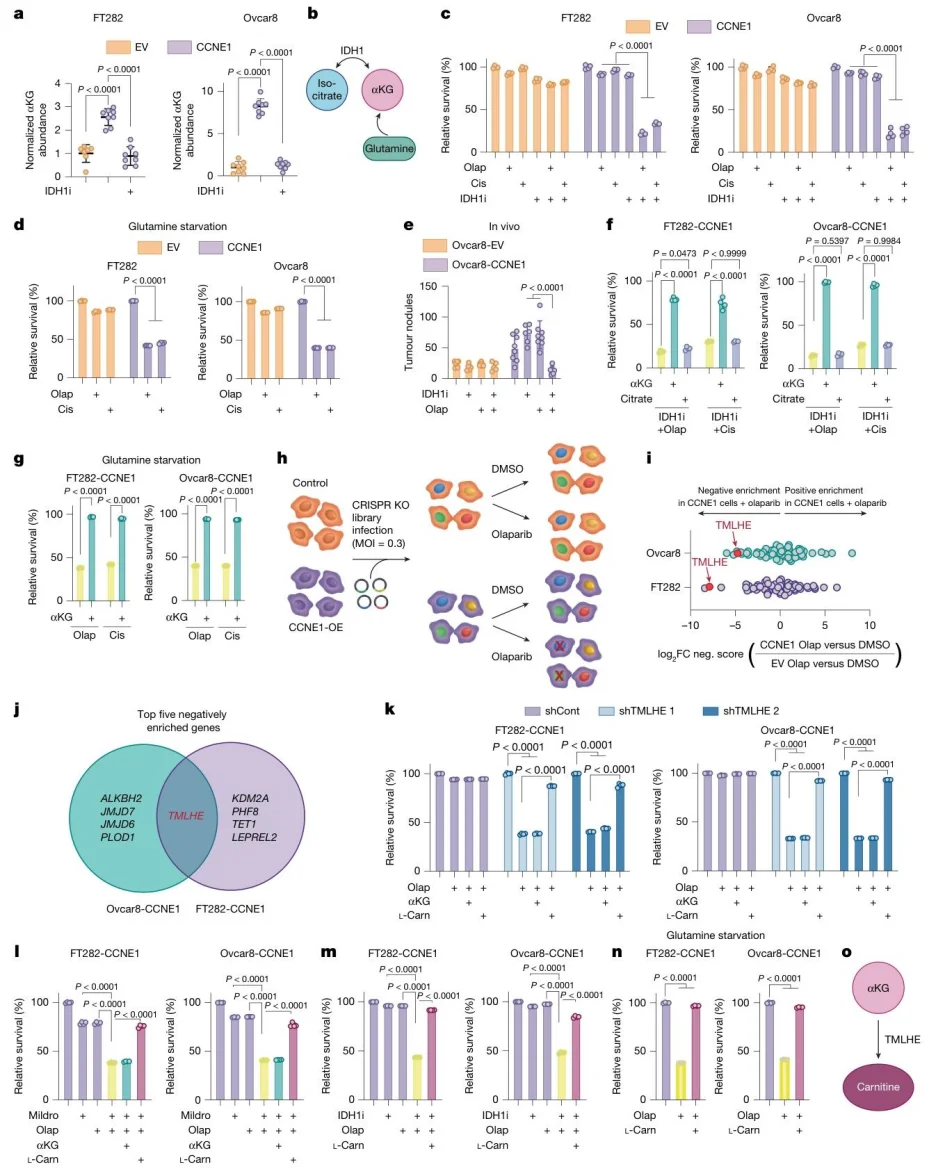
Figure 1. The αKG-dependent dioxygenase TMLHE is required for resistance to DNA-damaging agents in CCNE1-driven ovarian cancer models.
2. αKG positively regulates cellular carnitine and acetylcarnitine synthesis by modulating the enzymatic activity of TMLHE.
Inhibition of IDH1 or glutamine starvation led to a reduction in αKG levels, accompanied by a concomitant decrease in cellular L-carnitine and acetylcarnitine abundances, which were restored upon αKG supplementation. Using deuterium-labeled trimethyllysine (d9-TML) tracing , the authors further demonstrated that αKG deficiency impaired the production of HTML, confirming that αKG serves as an essential co-substrate for TMLHE during de novo carnitine synthesis. Consistent with the in vitro findings, treatment of tumor-bearing mice with an IDH1 inhibitor significantly decreased both carnitine and acetylcarnitine levels in tumor tissues.
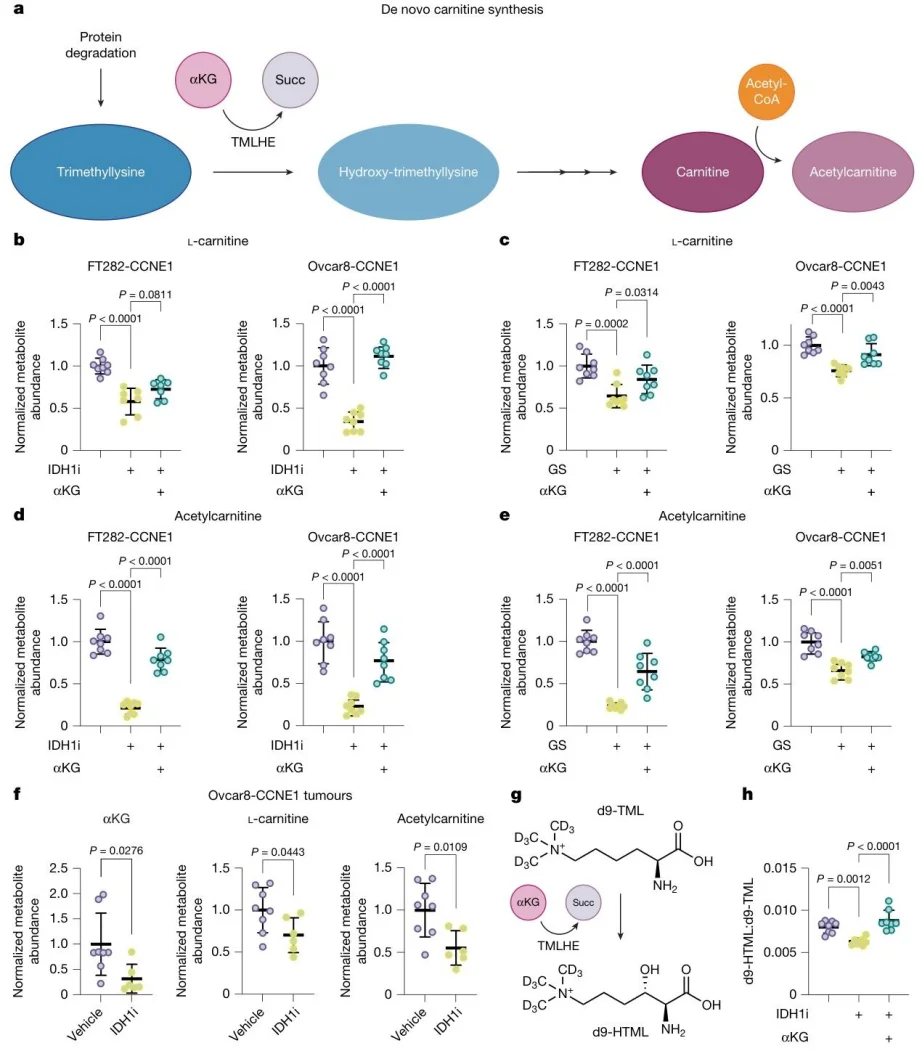
Figure 2. αKG promotes the production of L-carnitine, acetylcarnitine, and the synthesis of HTML.
3. The αKG–TMLHE–Acetylcarnitine Axis Drives Site-Specific Histone Acetylation Independent of ACLY
Both αKG depletion and TMLHE knockdown markedly reduced overall histone H3 and H4 acetylation, whereas supplementation with L-carnitine or acetylcarnitine restored histone acetylation. Mechanistically, acetylcarnitine serves as a precursor for a nuclear pool of acetyl-CoA. Knockdown of the carnitine acetyltransferases CrAT or CrOT reduced histone acetylation, supporting the role of the endogenous carnitine shuttle in supplying acetyl-CoA for chromatin modification. Importantly, although knockdown of either ACLY or TMLHE alone decreased histone acetylation, combined knockdown produced an additive effect , demonstrating that de novo carnitine synthesis provides a non-redundant nuclear source of acetyl-CoA that functions in parallel with the canonical ACLY pathway.
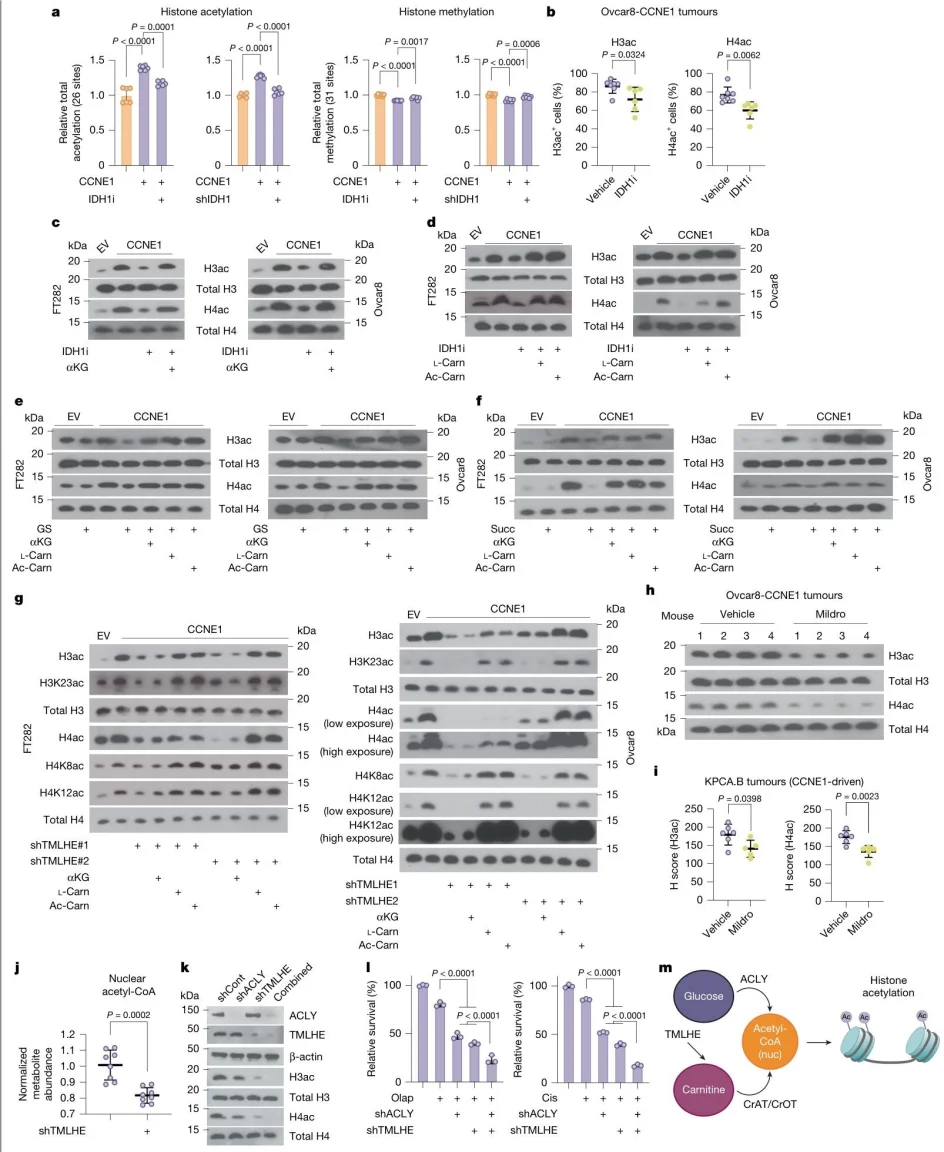
Figure 3. αKG-dependent de novo carnitine synthesis through TMLHE promotes histone acetylation and provides a non-redundant nuclear acetyl-CoA pool independent of ACLY.
4. αKG-mediated carnitine production is required for HR-mediated repair of DNA double-strand breaks.
Both αKG depletion and TMLHE deficiency increased γH2AX foci, indicating impaired DNA damage repair, while simultaneously reducing RAD51 recruitment to DNA DSB sites. Using a cell-free Xenopus DNA repair system to exclude potential transcriptional effects , the authors directly demonstrated that this pathway regulates HR through an epigenetic mechanism. Chromatin immunoprecipitation (ChIP) further revealed that IDH1 inhibition or TMLHE knockdown significantly reduced H4K8ac enrichment at DSB sites, whereas acetylcarnitine supplementation restored both local histone acetylation and RAD51 recruitment.
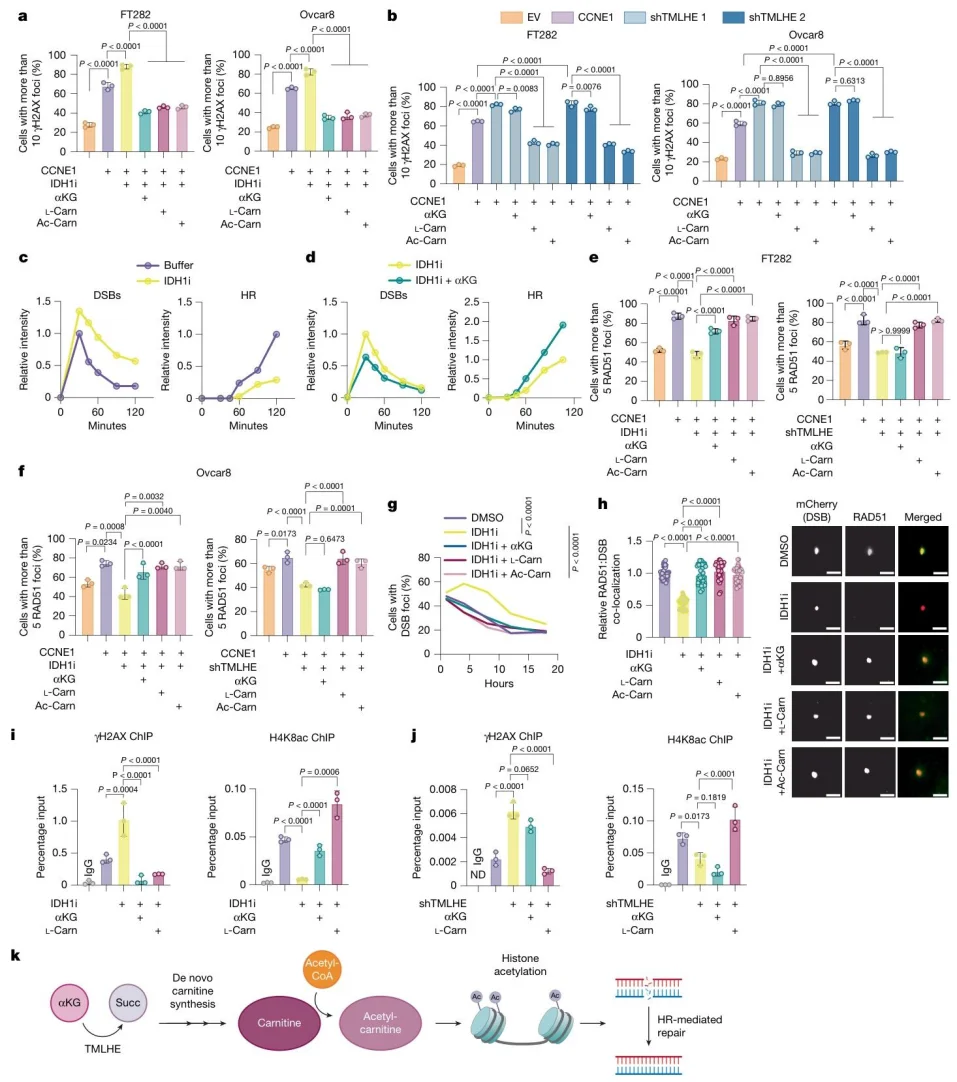
Figure 4. αKG-mediated carnitine production is required for HR-mediated repair of DNA double-strand breaks.
5. Clinical and In Vivo Validation Supports the Therapeutic Potential of Targeting the αKG–TMLHE–Carnitine Axis
Analysis of ovarian cancer tissue microarrays demonstrated a positive correlation between Cyclin E1 and TMLHE expression. Tumors with higher TMLHE expression also exhibited increased levels of histone H3/H4 acetylation and elevated site-specific histone acetylation. Clinically, patients with high TMLHE expression or elevated serum acetylcarnitine levels showed significantly shorter progression-free survival, highlighting the clinical relevance of this metabolic pathway. In mouse models, treatment with either mildronate or cisplatin alone produced only modest antitumor effects. Combination therapy markedly reduced tumor burden , without significantly affecting acetylcarnitine levels in normal tissues, including the liver and kidney, supporting the favorable safety profile and therapeutic potential of targeting the αKG–TMLHE–carnitine axis.
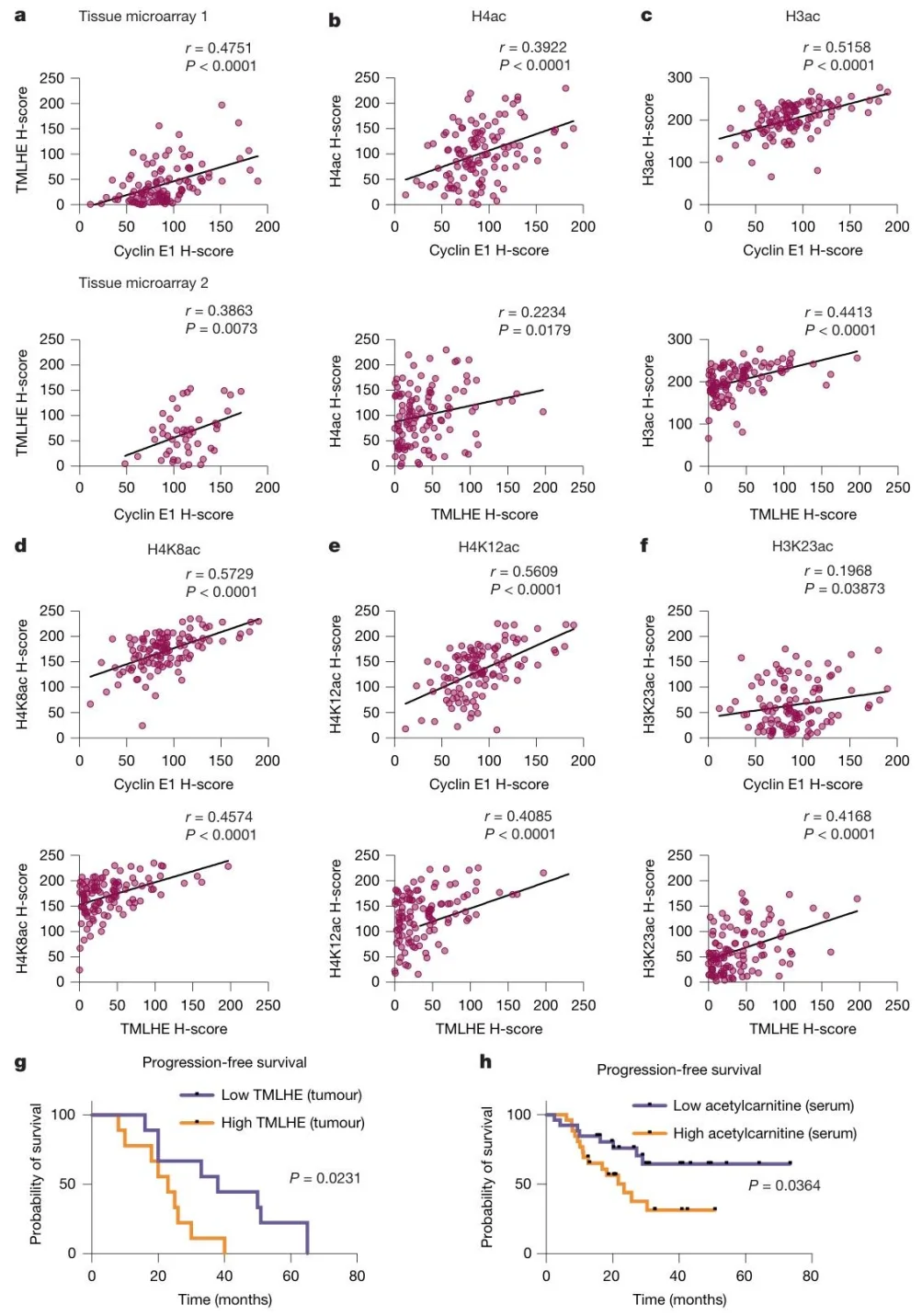
Figure 5. TMLHE expression positively correlates with histone acetylation in clinical ovarian cancer samples, while elevated TMLHE expression and serum acetylcarnitine levels are associated with poorer progression-free survival.
Summary
This study reveals a previously unrecognized αKG-driven metabolic–epigenetic pathway that promotes drug resistance in HR-proficient ovarian cancer. Mechanistically, αKG activates TMLHE to enhance de novo carnitine synthesis, generating acetylcarnitine as a nuclear acetyl-CoA source to promote site-specific histone acetylation, including H3K23ac, H4K8ac, and H4K12ac. These modifications facilitate RAD51 recruitment at DNA double-strand break sites, enhancing homologous recombination-mediated DNA repair and contributing to resistance against DNA-damaging therapies. Targeting this pathway through IDH1 or TMLHE inhibition reduces histone acetylation, impairs HR repair, and sensitizes HR-proficient ovarian cancer cells to chemotherapy and PARP inhibitors. Collectively, this work identifies the αKG–TMLHE–carnitine axis as a potential therapeutic target for overcoming treatment resistance in HR-proficient cancers.
Ubigene CRISPR-iScreen™ Library
CRISPR-iScreen™ is an innovative technology independently developed by Ubigene, designed to achieve efficient CRISPR screening. Currently, Ubigene provides more than 40 ready-to-ship CRISPR library plasmid products covering genome-wide knockout, inhibition, and activation libraries for human, mouse, African green monkey, and pig species. In addition, targeted sub-libraries for kinases, cell cycle, membrane proteins, metabolism, and other related genes are available to help you easily achieve target screening!
If you wish to conduct similar studies on key genes related to ovarian cancer drug resistance such as TMLHE, Ubigene offers 150+ ready-to-ship library viruses, 1000+ library Cell Pool products , as well as one-stop CRISPR library (in vivo/in vitro) functional screening services and library NGS sequencing services to support your research needs at any time. Contact us!
 Promotions