
Reserach Frontiers | How GCLC Redirects Cysteine Sulfur to Shape CD8+ T Cell Function

Introduction
CD8+ T cells are central mediators of anti-tumor immunity, yet their function is often compromised by T cell exhaustion. How immune cells allocate acquired nutrients among competing metabolic pathways to support distinct cellular functions remains a fundamental question in immunometabolism. In this study, the researchers reveal that cysteine, traditionally classified as a nonessential amino acid, becomes a conditionally essential amino acid in activated CD8+ T cells. More importantly, the metabolism of cysteine sulfur—whether it is directed toward glutathione (GSH) synthesis or NFS1-dependent iron-sulfur (FeS) cluster biogenesis—acts as a key metabolic point that determines the T-cell fate. The authors demonstrated that GSH synthesis restrains effector function, whereas NFS1-mediated FeS cluster synthesis supports proliferation and protects against exhaustion. Redirecting cysteine-derived sulfur away from GSH production and toward FeS metabolism, either genetically or pharmacologically, significantly enhances CD8+ T-cell-mediated anti-tumor immunity. These findings establish sulfur partitioning as a previously unrecognized metabolic checkpoint and provide a new framework for metabolic intervention in cancer immunotherapy.
Background
- CD8+ T cells are the primary effector cells responsible for anti-tumor and anti-pathogen immunity. Their activation, proliferation, and cytotoxic activity require extensive metabolic reprogramming.
- Cysteine serves as a key precursor for glutathione (GSH), one of the most important intracellular antioxidants. However, how cysteine is distributed among competing metabolic pathways in immune cells has remained poorly understood.
- Iron-sulfur (FeS) clusters are essential cofactors for mitochondrial respiration, DNA replication, protein translation, and cell-cycle progression. Their biosynthesis requires sulfur derived from cysteine, yet their role in T-cell biology has been largely unexplored.
- Nutrient limitation within the tumor microenvironment frequently drives metabolic dysfunction and T-cell exhaustion. Targeting metabolic pathways has therefore emerged as a promising strategy for restoring T-cell function.
Objectives
The study sought to determine how activated CD8+ T cells acquire and utilize cysteine, and to define how sulfur partitioning between GSH synthesis and FeS cluster biogenesis differentially regulates T-cell proliferation, effector function, exhaustion, and anti-tumor immunity.
Methods
Cell models:
Primary murine CD8+ T cells, OT-I transgenic T cells, EL4-OVA lymphoma cells and B16-OVA melanoma cells
Gene engineering:
CRISPR-Cas9-mediated gene knockout of NFS1, GCLC, CTH, ISD11 and GLRX5 knockout, Retroviral overexpression of NFS1
Metabolic tracing:
¹³C/¹⁵N tagged cysteine, serine and methionine were applied, combining NMR and LC-MS to conduct the metabolic flux analysis.
Functional analysis:
flow cytometry was applied to analyze cell proliferation, cell cycle progression, cytokine production and the exhaustion markers. Seahorse metabolic profiling, cytotoxicity assays, ROS measurements and intracellular iron quantification was conducted.
In-vivo animal models:
LmOVA infection model, and Adoptive T-cell transfer into B16-OVA tumor-bearing mice
Clinical validation:
Single-cell RNA-seq analysis of human hepatocellular carcinoma (HCC) datasets
Workflow
Identifying the Phenomenon:
Amino-acid starvation experiments revealed an unexpected phenotype. Cysteine deprivation enhanced production of IFNγ and TNF while simultaneously suppressing proliferation. These findings suggested that distinct cysteine-dependent pathways regulate effector function and cell expansion.
Tracing Cysteine Metabolism:
Using stable-isotope tracing and NMR analysis, the authors demonstrated that activated CD8+ T cells do not engage in methionine-to-cysteine transsulfuration .Instead, they rely on extracellular cysteine uptake, and a substantial portion of acquired cysteine is continuously directed toward GSH synthesis.
Dissecting Functional Outputs:
Pharmacological inhibition of GSH synthesis using BSO or genetic deletion of Gclc enhanced effector cytokine production without impairing basal proliferation. This revealed that GSH functions as a metabolic brake on effector activity.
Identifying the Proliferation-Supporting Pathway:
Nfs1 blocks FeS cluster synthesis, resulting in impaired T cell proliferation, reduced mitochondrial respiration, and an exhausted phenotype. Supplementation with GSH fails to rescue the proliferative defects caused by NFS1 deficiency, indicating that FeS cluster biogenesis is critical for sustaining proliferation.
Establishing Mechanistic Model :
The study revealed that GSH not only function as antioxidant defense, but also stabilize existing FeS clusters independently of NFS1. When NFS1 activity is compromised, this FeS-stabilizing function of GSH becomes particularly important. Simultaneous disruption of both pathways leads to severe metabolic dysfunction and loss of T-cell fitness. These findings define a cysteine-driven “GSH–FeS axis” that governs T-cell fate through sulfur allocation.
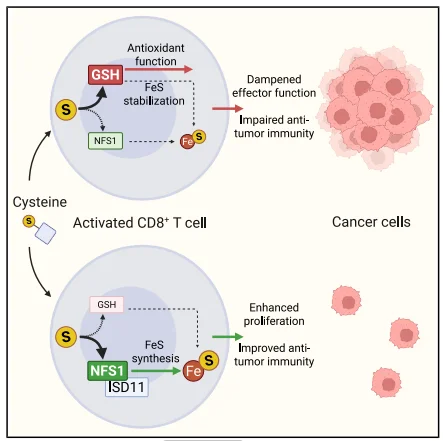
Figure 1. Mechanisms by which cysteine remodels CD8+ T cell function
Key Findings
1. Cysteine Starvation Differentially Regulates T-Cell Function
Amino-acid starvation experiments showed that, cysteine deprivation in CD8+ T cells increased IFNγ and TNF production while reducing proliferation and cytotoxicity. This demonstrates that distinct cysteine-derived metabolites support different aspects of T-cell biology.
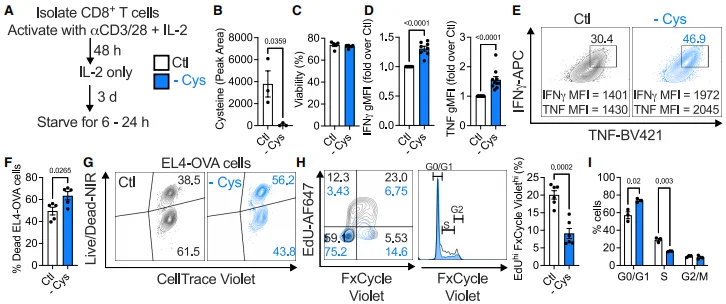
Figure 2. The differential effects of cysteine deprivation on proliferation and cytokine production
2. Activated CD8+ T Cells Cannot Generate Cysteine Through Transsulfuration
NMR and LC-MS analyses showed that activated CD8+ T cells are unable to convert methionine into cysteine or GSH through the transsulfuration pathway. Neither genetic deletion nor pharmacological inhibition of the key transsulfuration enzyme CTH affected intracellular GSH levels or T-cell function. These results establish cysteine as a conditionally essential amino acid for activated CD8+ T cells.
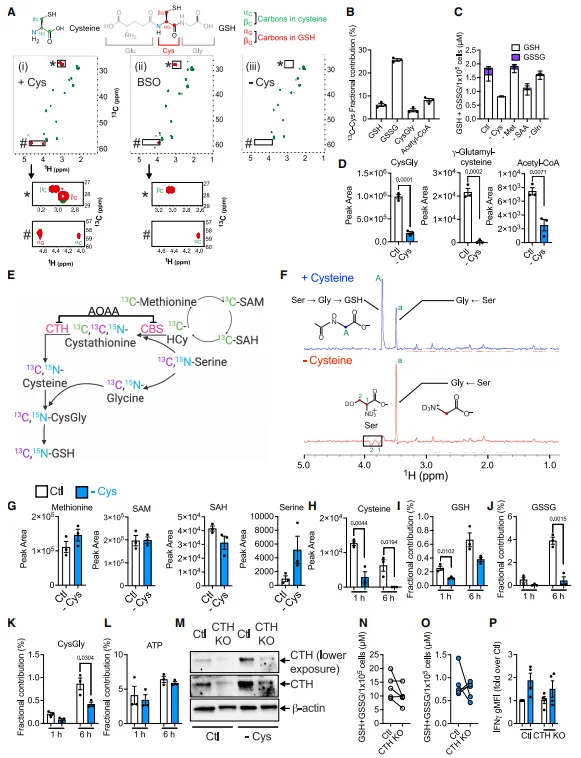
Figure 3. Validation of CD8+ T-cell transsulphation by NMR and LC-MS
3. Glutathione Synthesis Restrains Effector Function
Unexpectedly, depletion of GSH through BSO treatment or Gclc deletion did not compromise viability in fully activated CD8+ T cells. Instead, GSH depletion significantly enhanced IFNγ and TNF production. These findings indicate that, during the effector phase, ongoing GSH primarily acts to suppress excessive effector function rather than to sustain survival.
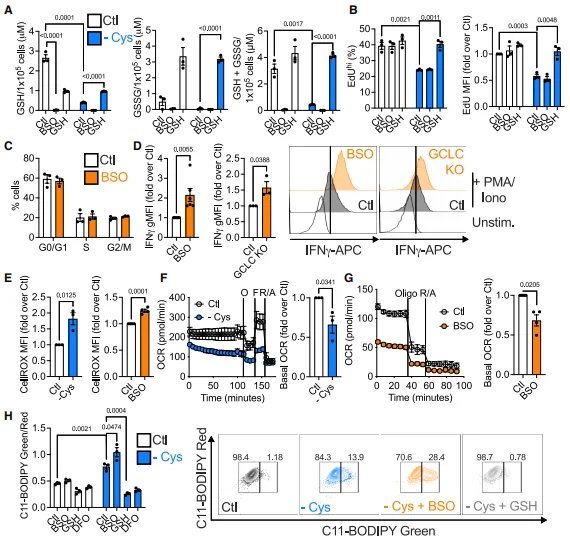
Figure 4. Inhibition of GSH Synthesis Enhances Effector Function
4. NFS1-Dependent FeS Cluster Biogenesis Supports Proliferation and Prevents Exhaustion
Genetic of Nfs1 reduced expression of FeS-containing proteins such as SDHB and ABCE1, impaired mitochondrial respiration, and caused cell-cycle arrest. NFS1-deficient T cells also exhibited accelerated acquisition of exhaustion markers including TIM-3 and CD39. In tumor-bearing mice, NFS1-deficient T cells displayed inferior anti-tumor activity. Conversely, NFS1 overexpression enhanced proliferation and improved tumor control.
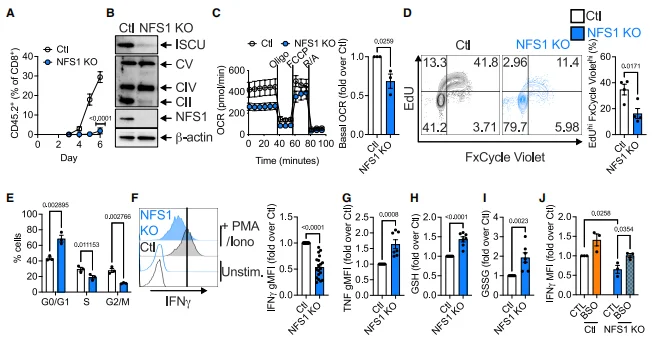
Figure 5. NFS1-mediated sulphur metabolism promotes cell proliferation and cytokine production
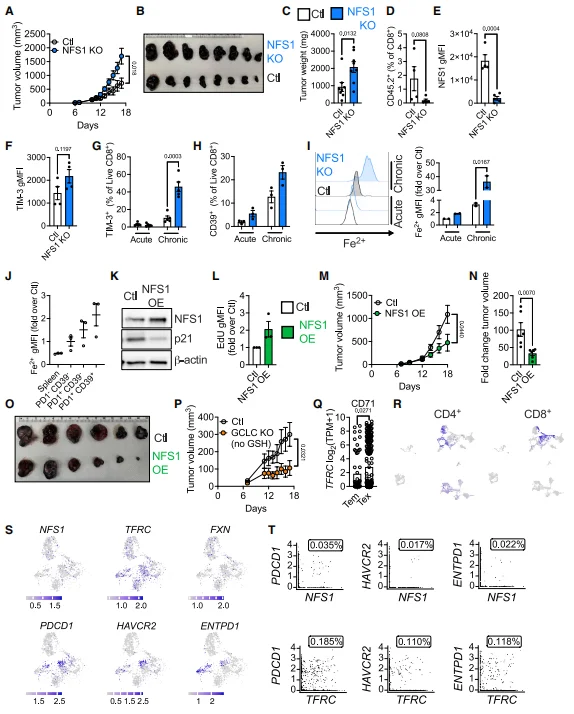
Figure 6. The metabolism of NFS1 enhances the function of CD8+ T cells in vivo
5. Sulfur Partitioning Between GSH and NFS1 Determines T-Cell Fate
Mechanically, GSH serves not only as an antioxidant but also as an NFS1-independent stabilizer of FeS clusters. When NFS1 activity is impaired, this stabilizing function partially preserves FeS-dependent processes. However, excessive flux into GSH synthesis diverts sulfur away from FeS cluster biogenesis, limiting the generation of new FeS cofactors required for sustained proliferation and resistance to exhaustion. As a result, directing cysteine-derived sulfur away from GSH synthesis and toward NFS1-mediated FeS metabolism emerges as a promising strategy for enhancing T-cell function.
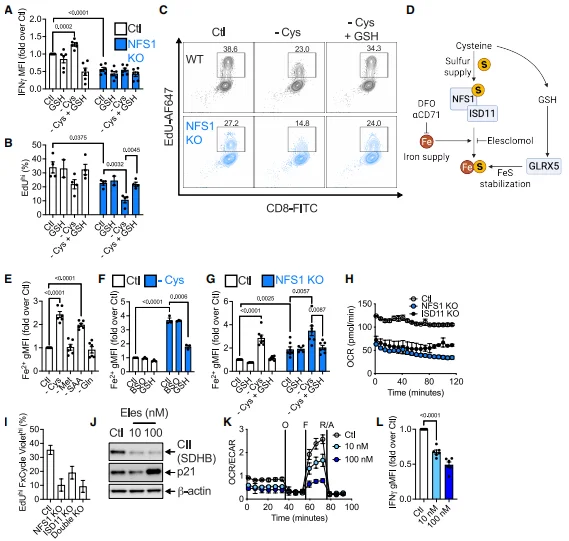
Figure 7. GSH and NFS1 promote cell proliferation and cytokine production by stabilising and synthesising FeS clusters
Significance and Innovation
- Conceptual Advances: This study identifies cysteine sulfur partitioning as a previously unrecognized metabolic checkpoint for CD8+ T cells. By establishing a metabolic framework in which cysteine-derived sulfur is allocated between GSH synthesis and FeS cluster biogenesis, the authors revealed how effector function influences T cell proliferation. The work further uncovers dysregulated FeS metabolism as a novel mechanism driving T cell exhaustion, thereby expanding current understanding of immunometabolism regulation.
- Application potential: The findings of this study suggest a potential metabolic reprogramming strategy, demonstrating that inhibiting GSH synthesis while promoting the NFS1-FeS pathway significantly improves anti-tumor immunity. It identifies several actionable translational targets, including NFS1, GCLC, GLRX5, and regulators of iron homeostasis. Ultimately, these findings provide a novel conceptual framework for combination cancer immunotherapy by integrating metabolic modulation with immune checkpoint inhibition.
Summary
This study systematically elucidates that sulfur partitioning from cysteine dictates CD8+ T cell fate: Routing sulfur toward GSH suppresses effector function, whereas directing it into the NFS1-FeS pathway sustains proliferation and projects against exhaustion. Targeting this metabolic partitioning enhances the cytotoxic function of CD8+ T cells without compromising proliferation, thereby significantly boosting anti-tumor immunity. These findings not only bridge a critical mechanistic gap in immunometabolism but also establish a theoretical foundation for developing next-generation metabolic immunotherapies.
Ubigene consistently upholds the core philosophy of "Making Gene Editing Easier," continuously iterating its products and services. We have successfully completed over 13,000 gene-editing cases and offer 13,000+ cell products (including 10,000+ KO cells). Our independently developed innovative technologies have improved gene-editing efficiency by 10-20 times compared to traditional methods. To date, Ubigene has provided high-quality gene-editing services and products to over 10,000 life science laboratories, pharmaceutical companies, and CROs.
The GCLC gene encodes glutamate-cysteine ligase, the rate-limiting enzyme essential for glutathione (GSH) synthesis. As one of the most prominent intracellular antioxidants, GSH plays a vital role in detoxification, redox homeostasis, and cellular signaling pathways. If you are also interested in conducting research on GCLC, Ubigene can provide GCLC knockout cell lines, covering tumor cell lines such as Jurkat, Clone E6-1, A549, and HCT 116, and WB valiation guaranteed! If you have customized gene editing needs, contact us to learn more.
Contact us to learn more >>>References
Kelly B, Cha M, Gremelspacher T, Martin JL, Andreis M, Maloo I, Carrizo GE, Gidley M, Stanczak MA, Apostolova P, Longo J, DeCamp LM, Ma EH, Sheldon RD, Jones RG, Sanin DE, Majumdar A, Pearce EL. Sulfur partitioning from cysteine controls T cell proliferation and effector function. Cell. 2026 Mar 31:S0092-8674(26)00279-5. doi: 10.1016/j.cell.2026.03.012. Epub ahead of print. PMID: 41923640.
 Promotions