
Glucocorticoid Receptor Acts as the Switch for DTC Immune Evasion in TNBC


Introduction
Metastasis represents the primary cause of mortality in patients with solid tumors, such as triple-negative breast cancer (TNBC). Upon disseminating from the primary site, tumor cells must evade systemic immune surveillance and successfully colonize distant organs to form metastatic foci. To date, the precise mechanisms whereby initial disseminated tumor cells (DTCs) overcome anti-tumor immunity upon seeding new organs have remained elusive.
Recently, a research team from the Dana-Farber Cancer Institute published a pioneering study in Nature, reveals for the first time that the glucocorticoid receptor (GR)-FAS axis serves as a key regulatory mechanism governing immune evasion of DTCs during the metastatic seeding phase. The authors demonstrate that GR activation suppresses FAS expression, thereby shielding DTCs from FASL-mediated killing by CD8+ T cells and natural killer (NK) cells. Furthermore, combining a GR inhibitor with immunotherapy significantly reduces metastatic burden and extends survival in mouse models, uncovering a novel therapeutic target and strategy to prevent tumor metastasis.

Research Background
TNBC is characterized by high rates of early recurrence, and metastatic TNBC remains largely incurable. Because DTCs are frequently resistant to conventional modalities such as chemotherapy, immunotherapy has emerged as a promising approach to eradicate DTCs; however, the precise immune evasion mechanisms operating during early metastatic seeding have not been fully elucidated. Prior investigations have predominantly focused on immune evasion within established tumor tissues, whereas DTCs must evolve unique survival strategies upon detaching from the primary tumor microenvironment. Although elevated GR levels correlate with poor prognosis in TNBC patients and are associated with metastasis in preclinical models, the explicit role and molecular pathology of GR in driving DTC immune evasion required further research.
Research Objectives
The study aimed to identify the critical molecular mechanisms enabling DTCs to evade anti-tumor immunity during metastatic seeding, define the exact functional and regulatory pathways of GR in this process, validate the efficacy of GR as a therapeutic target, and develop novel combination treatments against DTCs to provide a solid theoretical and experimental foundation for preventing TNBC metastasis.
Materials and Methods
Clinical Samples & Database Analysis
Publicly available datasets, including the AURORA US cohort and the TBCRC-030 clinical trial database, were integrated to evaluate the correlation between GR and FAS expression profiles, metastatic recurrence, and overall survival in TNBC patients, while validating differences in GR activity signatures between primary tumors and metastatic lesions.
Animal Models
Syngeneic and immunocompromised mouse strains (BALB/c, C57BL/6J, NSG, and Jedi mice harboring GFP-specific CD8+ T cells) were utilized. Subcutaneous and pulmonary metastasis models were established using 4T1 and E0771 TNBC cell lines. Genetic engineering strategies including shGR stable knockdown, Dox-shGR inducible knockdown, and shFas knockdown were deployed to evaluate the impact of GR on DTC survival, metastasis, and host survival. Antibody-mediated depletion of CD8+ T cells and NK cells validated the specific immune cell types involved.
In Vitro Cellular Assays
Lentiviral transduction was utilized to generate shGR, shFas, and Rela knockout cell lines. Dexamethasone (Dex) was applied to achieve pharmacological activation of GR. Co-culture killing assays were performed using murine spleen-derived CD8+ T cells, bone marrow-derived NK cells, human peripheral blood mononuclear cell (PBMC)-derived CD8+ T cells, and NK-92 cells to determine whether GR activation drives resistance to lymphocyte-mediated cytotoxicity. Recombinant FASL treatment assays were used to quantify FAS-mediated apoptosis.
Molecular Mechanism Validation
Bulk RNA-seq and single-cell RNA-seq (scRNA-seq) were employed to analyze differential gene expression profiles. CUT&RUN assays were executed to determine the physical binding of GR to the Fas promoter region. CellChat analysis was performed to map intercellular signaling networks. Immunofluorescence (IF) and flow cytometry evaluated protein expression levels and cellular phenotypes. Cell-intrinsic apoptotic sensitivity was evaluated via BH3 profiling.
Therapeutic Evaluation
The clinical-grade GR inhibitor mifepristone (RU486) was administered alone or in combination with an anti-PD-1 antibody in murine metastasis models to monitor metastatic burden, immune cell infiltration, and relevant molecular variations.
Research Workflow
-
Screening for Key Molecular Drivers of DTC Immune Evasion
Utilizing a GFP-visualized antigen system to isolate viable DTCs that successfully evaded T cell-mediated clearance, followed by transcriptomic analysis to pinpoint GR (Nr3c1) as the core upstream regulator.
-
Functional Validation of GR
Confirming in vitro and in vivo that GR activation promotes DTC survival and subsequent macrometastasis in a manner strictly dependent on the presence of host CD8+ T cells and NK cells.
-
Dissecting Molecular Pathways
Delineating how GR transcriptionally downregulates FAS expression to block downstream FAS-FASL-mediated apoptosis, thereby establishing that GR acts via the NF-κB pathway to modulate Fas transcription.
-
Preclinical Validation of Combination Regimens
Demonstrating the potent anti-metastatic efficacy and safety profile of combining a GR antagonist with an anti-PD-1 antibody in mouse models.
Main Results
1. GR activation is a pivotal driver of DTC immune evasion
Transcriptomic analysis revealed that DTCs surviving T cell-mediated killing exhibited marked upregulation of the GR-encoding gene Nr3c1 alongside an enriched GR activity signature. Immunofluorescence tracking confirmed that GR was predominantly localized to the nucleus (indicating transcriptional activation) in early pulmonary DTCs, whereas it remained diffusely distributed in the cytoplasm within primary tumors.
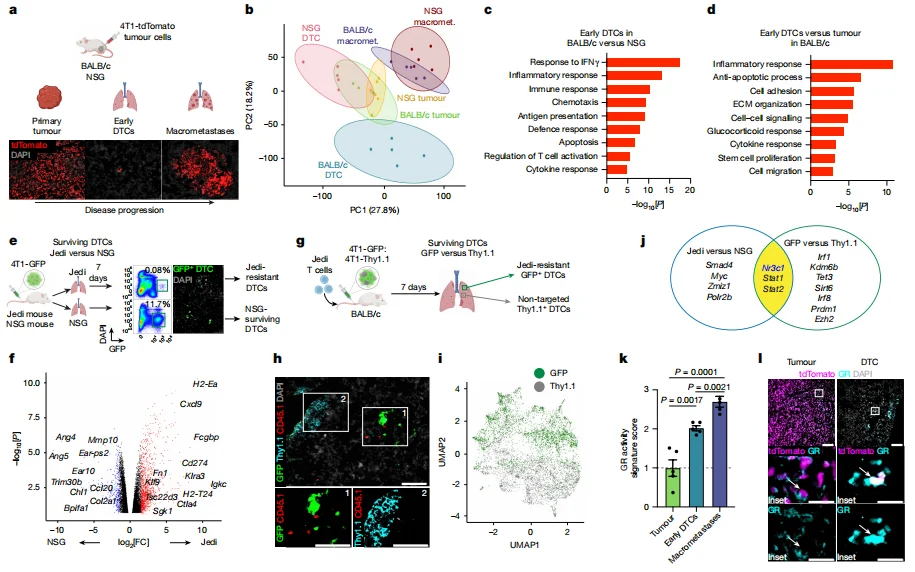
Figure 1. DTCs evading T-cell killing express an Nr3c1 activation program.
2. GR activation promotes DTC survival and metastasis via an immune-dependent mechanism
Genetic knockdown of GR did not alter the growth kinetics of primary tumors, but profoundly decreased the number of pulmonary micrometastases in immunocompetent BALB/c mice. Crucially, this anti-metastatic effect was completely abolished in immunodeficient NSG mice. GR activation effectively shielded DTCs against joint cytotoxicity exerted by CD8+ T cells and NK cells, thereby shortening overall survival.
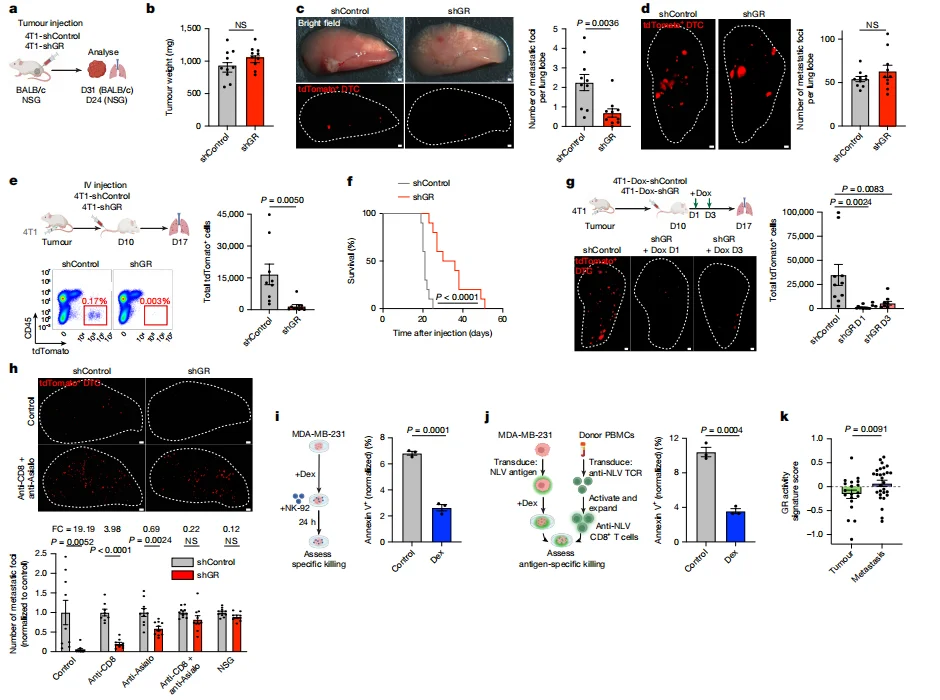
Figure 2. Glucocorticoid receptor (GR) in tumor cells promotes lung metastasis by enhancing resistance to cytotoxic lymphocytes.
3. GR blocks apoptotic pathways by suppressing FAS expression
FAS expression was upregulated in GR-knockdown DTCs, whereas dexamethasone-induced GR activation directly diminished FAS levels across both human and murine tumor lines. Analysis of clinical cohorts indicated that FAS signaling activity was suppressed in metastatic TNBC compared to primary tumors, and low FAS expression strongly correlated with an elevated risk of disease recurrence.
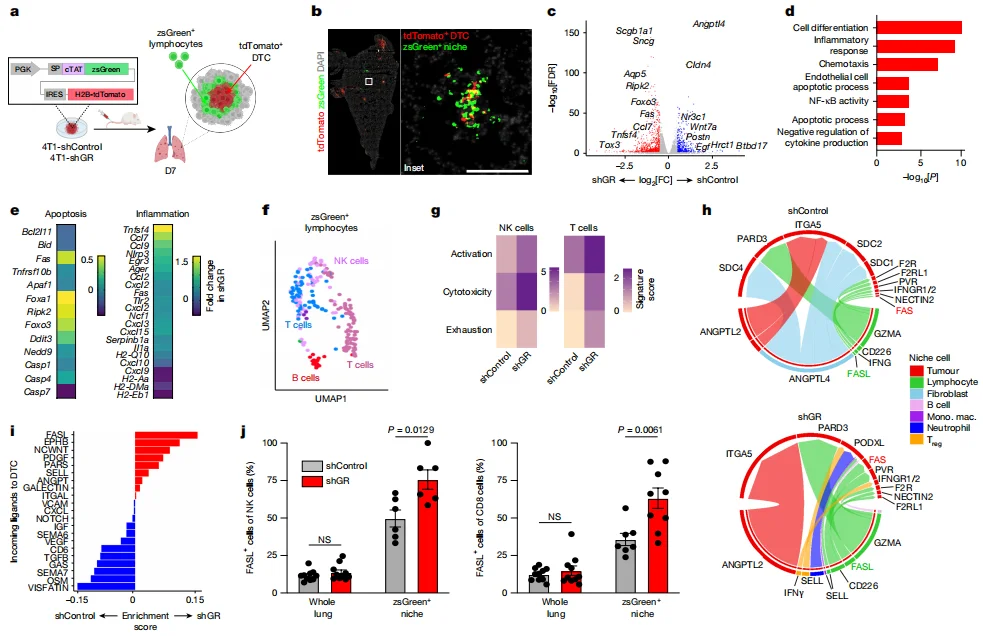
Figure 3. GR activation in DTCs modulates the cytotoxicity of interacting lymphocytes.
4. GR downregulates FAS expression by antagonizing the NF-κB pathway
CUT&RUN mapping confirmed that activated GR physically binds to the Fas promoter at positions overlapping with NF-κB binding sites, physically or functionally blunting the transcriptional transactivation typically driven by NF-κB (Rela). Disruption of the GR-FAS axis consequently impairs BID-mediated intrinsic apoptotic cascades, leaving DTCs vulnerable to FASL-induced death.
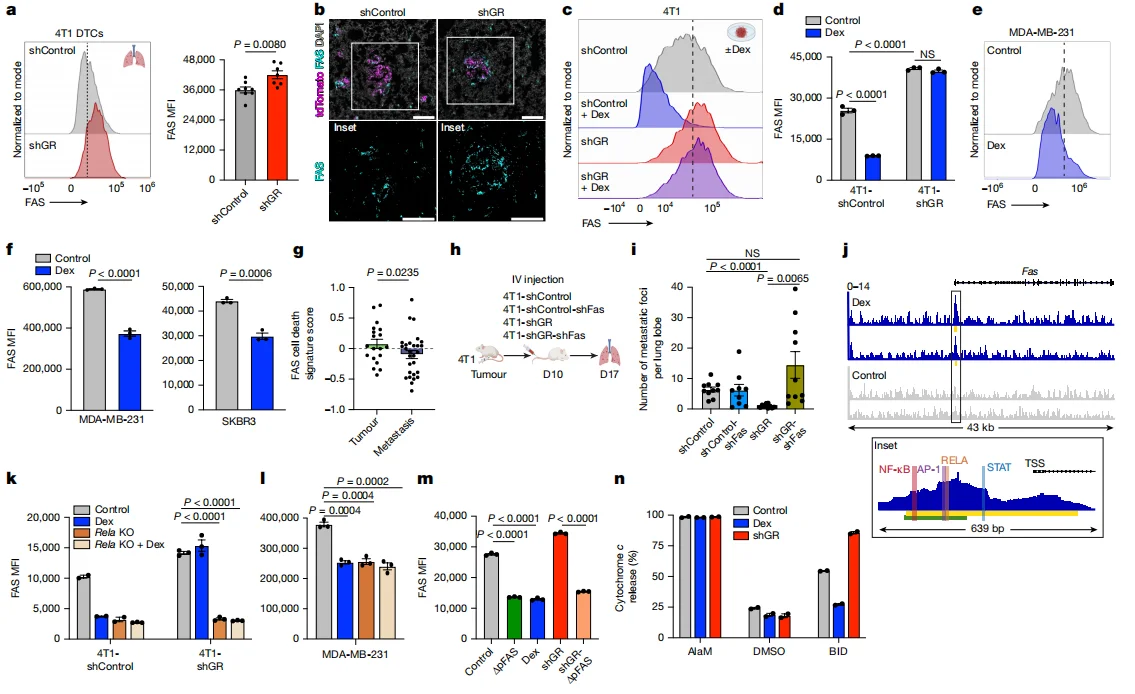
Figure 4. GR activation directly suppresses FAS to protect DTCs from immune-mediated killing.
5. Combined GR inhibition and anti-PD-1 therapy effectively eradicates metastatic disease
GR-Knockdown sensitized DTCs to PD-1 blockade. Pharmacological inhibition of GR with mifepristone synergistic with anti-PD-1 therapy dramatically minimized the pulmonary metastatic burden, expanded the proportions of FAS+ DTCs and FAS+ infiltrating immune cells, and substantially prolonged overall survival in mice.
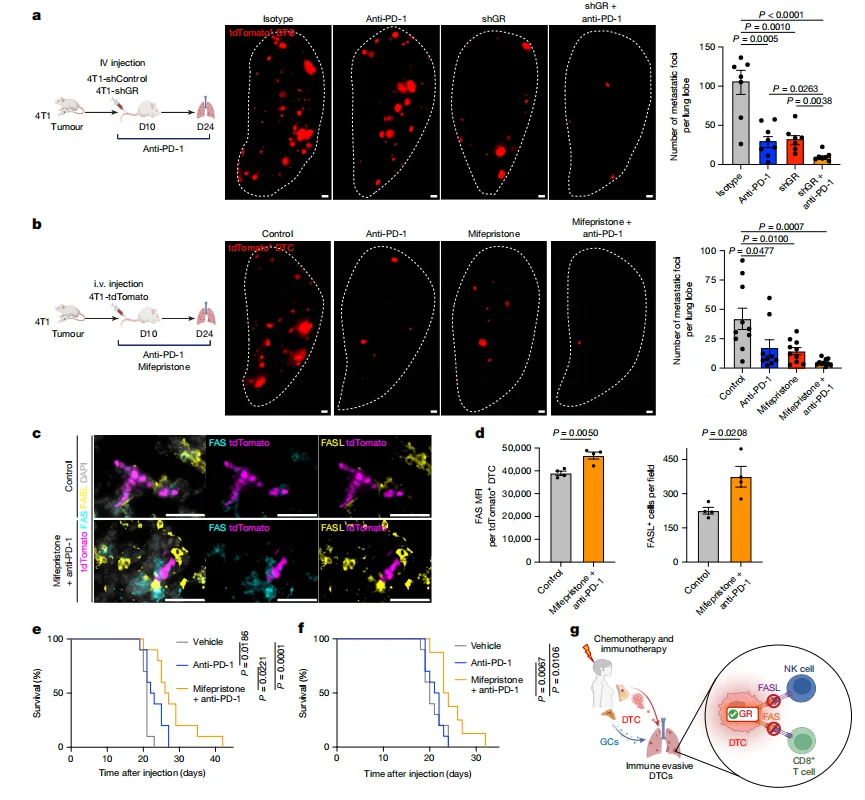
Figure 5. Blockade of GR activity enhances anti-PD-1 immunotherapy-mediated clearance of DTCs.
Significance and Innovation
- Mechanistic Breakthrough: This study uncovers the GR-FAS axis as the foundational driver of immune evasion during the critical window of metastatic seeding, closing a long-standing knowledge gap in cancer biology.
- Target Identification: Identifying GR as a specific checkpoint for DTC survival provides an actionable clinical node to intercept metastasis before macro-colonization occurs.
- Translational Potential: Establishing a highly translational combination regimen combining mifepristone with standard immune checkpoint inhibitors leverages an FDA-approved drug compound, paving the way for rapid clinical trial entry.
Summary
By exploiting advanced gene-engineered mouse models alongside high-throughput sequencing, this landmark paper maps out the molecular circuitry of the GR-FAS axis during early metastatic seeding. It demonstrates how GR acts as a molecular brake on NF-κB-mediated Fas expression, turning off downstream lymphocyte-induced apoptosis to fuel metastatic outgrowth. The work provides both a robust mechanistic framework and a practical therapeutic layout to overcome immunotherapy resistance and metastatic recurrence in TNBC.
Ubigene Biosciences has consistently adhered to the core belief of "Making Gene Editing Easier," continuously iterating our products and services. To date, we has successfully delivered over 13,000 gene-editing cases and possesses over 11,000 cell products (including 8,000+ KO cell lines). Through self-developed innovative technologies, our gene-editing efficiency has been increased by 10 to 20 times compared to traditional methods. To date, Ubigene Biosciences has provided high quality gene-editing services and products to over 10,000 life science laboratories, pharmaceutical companies, and CROs.
RELA binding sequence stands as a pivotal molecular node linking the NF-κB pathway with the GR pathway, by regulating Fas gene expression, it functions as the decisive "molecular switch" that dictates tumor cell immune evasion. If you are interested in conducting research on RELA, Ubigene Biosciences provide RELA knockout cell lines, including THP-1 and A549. If you have customize gene-editing needs, please feel free to inquire!
Contact us to learn more >>> Promotions