
IF=37.5 | Ubigene KO Cells Enable Novel Nanotherapy: Targeting CMTR Activates B Cell Immunity to Regress Cold Tumors

Literature Snapshot
The clinical efficacy of immune checkpoint inhibitors remains limited, particularly in poorly immunogenic "cold" tumors that lack sufficient immune infiltration. Moreover, most current research has focused heavily on T cells, while the antitumor role of B cells has been underexplored. On June 12, a research team from Harvard Medical School published a study in Nature Nanotechnology addressing the critical clinical challenge of resistance to immune checkpoint inhibitors in cold tumors and the overemphasis on T cells in existing immunotherapies. The CMTR2 Knockout cell line (A549) , a key tool in this study, was provided by Ubigene , enabling the team to elucidate the complete molecular mechanism by which AT-1965 targets CMTR2 to regulate innate immunity and recruit B cells.
The study developed an organic platinum-based nanomedicine, AT-1965, which does not damage DNA but specifically inhibits the tumor enzyme CMTR2, leading to the accumulation of unmethylated RNA within cells, activating the RIG-I antiviral pathway, remodeling the tumor microenvironment, and recruiting large numbers of functional B cells. Genetic knockout and adoptive transfer experiments demonstrated that B cells are essential for the drug’s efficacy, mediating antitumor activity through IgM-dependent ADCC and phagocytosis, while also inducing long-term immune memory. Clinical database analyses revealed that high CMTR2 expression correlates with poor prognosis, whereas tumor B cell infiltration is associated with prolonged survival. AT-1965 also synergized with PD-1 inhibitors to suppress tumor growth. This study establishes CMTR2 as a novel immunotherapy target and introduces a therapeutic paradigm that targets epitranscriptomic modifications to activate B cells and regresses cold tumors.

Workflow
- 1. In Vitro Formulation Evaluation: Construction and optimization of AT-1965 lipid nanoparticles, physicochemical characterization, and determination of IC₅₀ values across multiple tumor cell lines.
- 2. Initial In Vivo Efficacy Screening: Evaluation of single-agent antitumor activity and long-term immune memory in immunocompetent and immunodeficient 4T1 cold tumor mouse models.
- 3. Immune Cell Phenotyping: Flow cytometry and IHC analysis of tumor-infiltrating immune cells following treatment, identifying B cells as the core effector cells mediating the antitumor response.
- 4. Target Identification and Mechanistic Dissection: Dual proteomics approaches identified CMTR2 as the molecular target of AT-1965, with subsequent molecular interaction and pathway studies elucidating the complete mechanism: CMTR2 inhibition activates the RIG-I antiviral pathway, recruits B cells, and drives IgM-mediated tumor killing.
- 5. Combination Efficacy and Clinical Data Validation: In vivo confirmation of synergy between AT-1965 and PD-1 inhibitors; TCGA database analysis of the clinical associations between CMTR2, B cell markers, and patient prognosis.
Key Findings
1. Preparation, Physicochemical Characterization, and In Vivo Single-Agent Antitumor Activity of AT-1965 Lipid Nanoparticles
AT-1965 lipid nanoparticles with uniform physicochemical properties and suitability for intravenous administration were successfully constructed. Although the drug exhibited limited direct cytotoxic activity in vitro, it demonstrated dose-dependent antitumor efficacy in the 4T1 triple-negative breast cancer in vivo model, with nearly 50% complete tumor regression at the highest dose. Treated animals developed long-term antitumor immune memory, with no new tumor growth upon rechallenge.
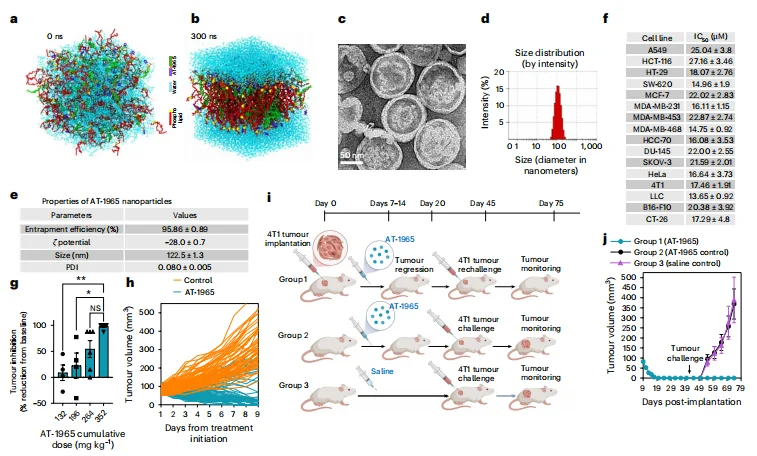
Fig. 1 | Engineering and phenotypic screening of AT-1965 nanoliposomes.
2. AT-1965 Antitumor Efficacy Does Not Depend on CD4/CD8 T Cell Responses
Early after AT-1965 administration, intratumoral CD4⁺ and CD8⁺ T cell numbers did not increase; only immunosuppressive Treg cells were reduced. The immune activation pathway of AT-1965 was distinct from that of the classical T cell-dependent chemotherapeutic agent oxaliplatin. Depletion of all functional CD4/CD8 T cells did not impair the antitumor efficacy of AT-1965, demonstrating that the early tumor regression induced by AT-1965 is mediated by immune cells other than T cells.
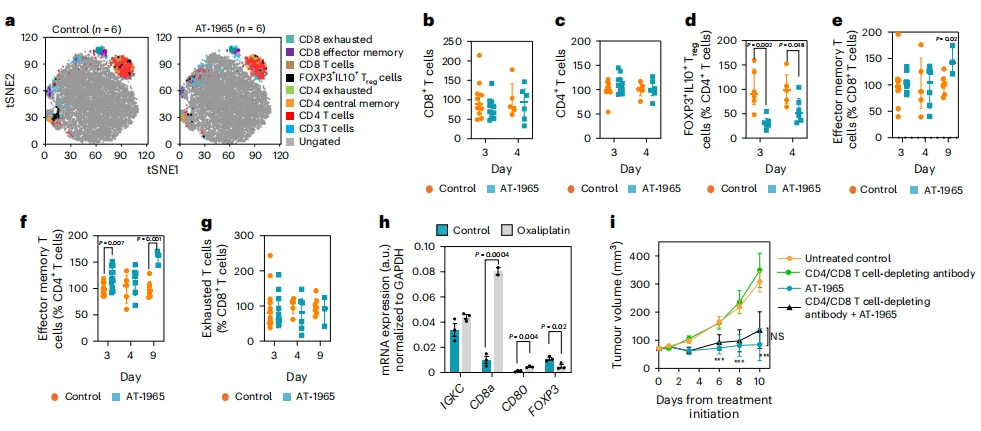
Fig. 2 | Characterizing tumour-infiltrating T cells following AT-1965 treatment.
3. AT-1965 Significantly Enriches Tumor-Infiltrating Functional B Cells
AT-1965 markedly upregulated the B cell marker IGKC at both transcriptional and protein levels, significantly increasing total tumor-infiltrating B cells. Within the tumor, the proportion of immunosuppressive Breg cells decreased, while transitional, follicular, and memory B cells with antitumor functions proliferated extensively. Concurrent expansion of functional B cells was also observed in the spleen and draining lymph nodes. Enrichment of B cell proliferation and memory-related genes was directly correlated with the antitumor response to AT-1965.
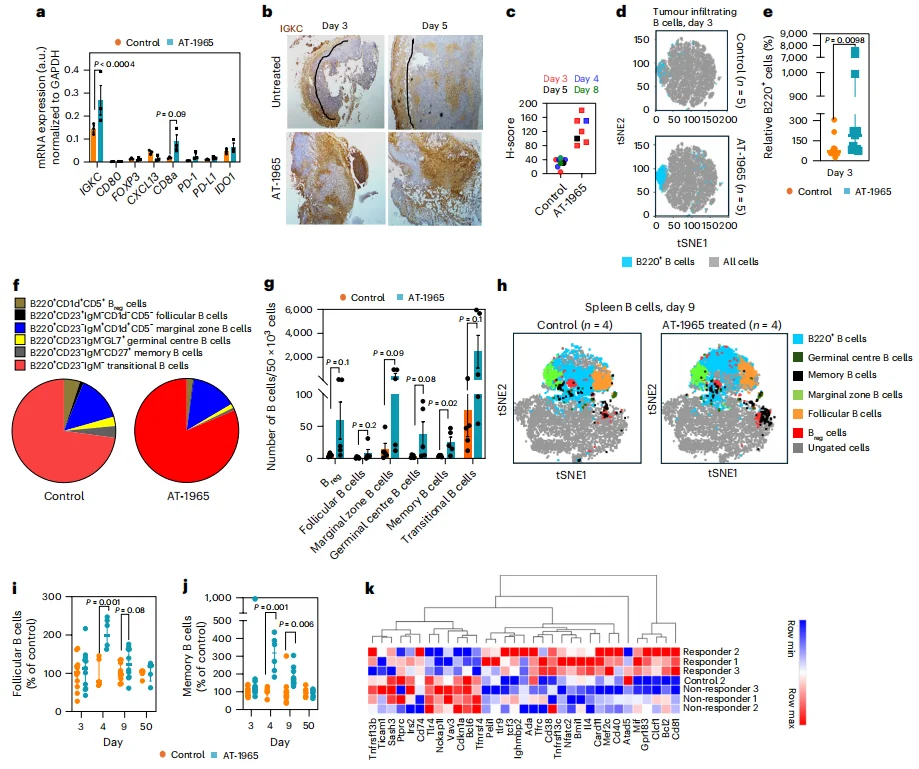
Fig. 3 | AT-1965 treatment increases a B cell signature.
4. Genetic and Adoptive Transfer Experiments Confirm B Cells Are Essential for AT-1965 Antitumor Efficacy
Adoptive transfer of AT-1965-activated B cells independently conferred antitumor protection in recipient mice. Genetic knockout of B cells completely abolished the in vivo antitumor efficacy of AT-1965, demonstrating that B cells are essential for the drug’s mechanism of action. Public clinical databases further showed that high expression of B cell markers across multiple solid tumor types correlates with prolonged survival, and human breast cancer samples confirmed substantial B cell infiltration within tumors, supporting the clinical relevance of B cells in antitumor immunity.
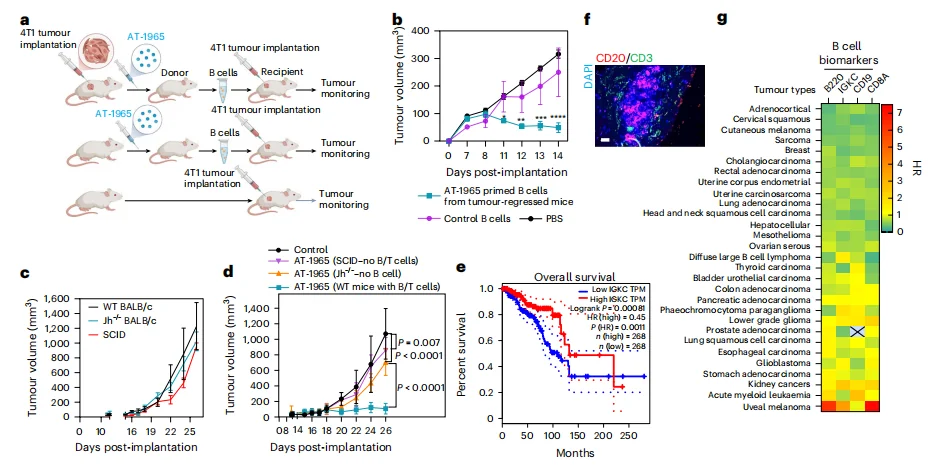
Fig. 4 | B cells mediate anti-tumour efficacy of AT-1965.
5. Dual Proteomics Approaches Identify CMTR2 as the Specific Molecular Target of AT-1965
Two independent proteomics approaches converged on CMTR2 as the specific binding partner of AT-1965. AT-1965 binds precisely to the catalytic pocket of CMTR2, competitively displacing the substrate SAM and inhibiting CMTR2 methyltransferase activity, without affecting the homologous protein CMTR1. Clinical database analyses revealed that high CMTR2 expression is associated with poor prognosis in breast and lung squamous cell carcinoma patients, positioning CMTR2 as a pro-tumorigenic target associated with unfavorable outcomes.
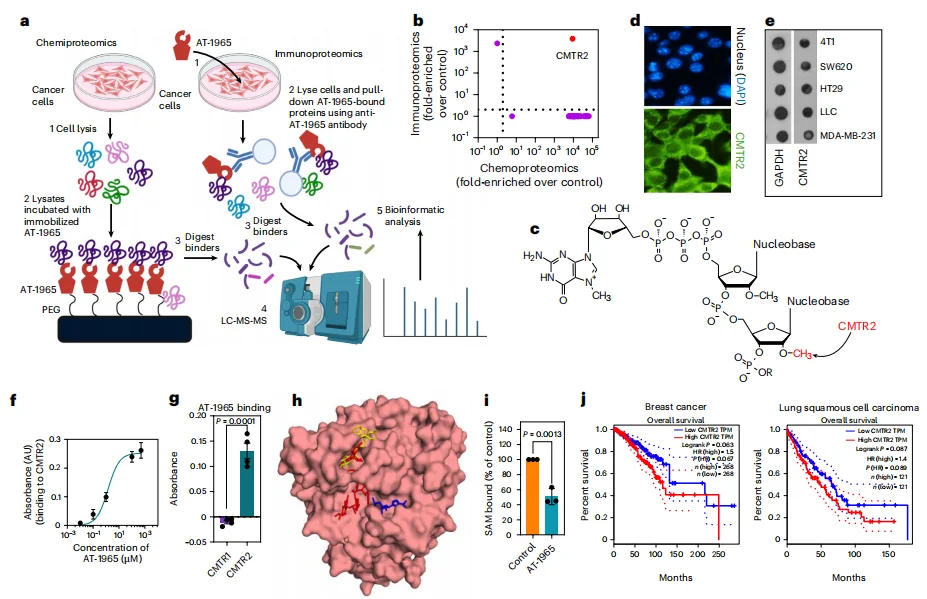
Fig. 5 | CMTR2 is a molecular target for AT-1965.
6. CMTR2 Inhibition Activates RIG-I-Mediated Intracellular Antiviral Innate Immunity
Following AT-1965-mediated CMTR2 inhibition, unmethylated Cap1 RNA accumulates within tumor cells and is recognized by the cytosolic sensor RIG-I, leading to the sequential upregulation of IRF7, type I interferons, IFIT1, and other core antiviral molecules. This pathway activation was validated in both in vitro cell systems and in vivo tumor tissues. Concurrently, IFIT1-RNA complexes appeared in plasma, generating systemic immune signals. The CMTR2/RIG-I ratio in tumor tissues was elevated compared to normal tissues, and higher ratios correlated with poorer drug response, suggesting its utility as a predictive biomarker for therapeutic efficacy.
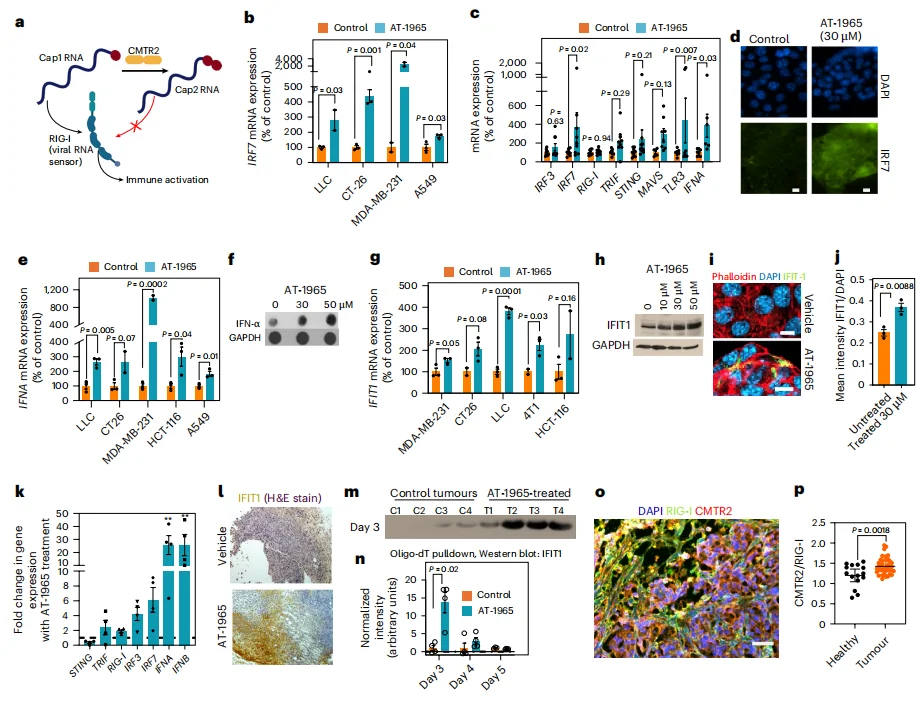
Fig. 6 | AT-1965 induces a novel viral defence immune response in cancer cells.
7. Antiviral Microenvironment Recruits B Cells and IgM Mediates Tumor Cell Clearance
The virus-like microenvironment induced by CMTR2 inhibition triggered early secretion of large amounts of natural IgM by B cells, with no significant changes in IgG. IgM specifically bound to stressed tumor cells carrying unmethylated RNA, marking them for clearance. AT-1965 treatment increased tumor-infiltrating MHCII⁺ macrophages, which mediated ADCC and phagocytosis to eliminate tumor cells. Combination of AT-1965 with PD-1 inhibitors simultaneously activated both B cell-mediated humoral immunity and T cell-mediated cellular immunity, substantially enhancing the complete response rate and demonstrating significant synergistic antitumor activity.
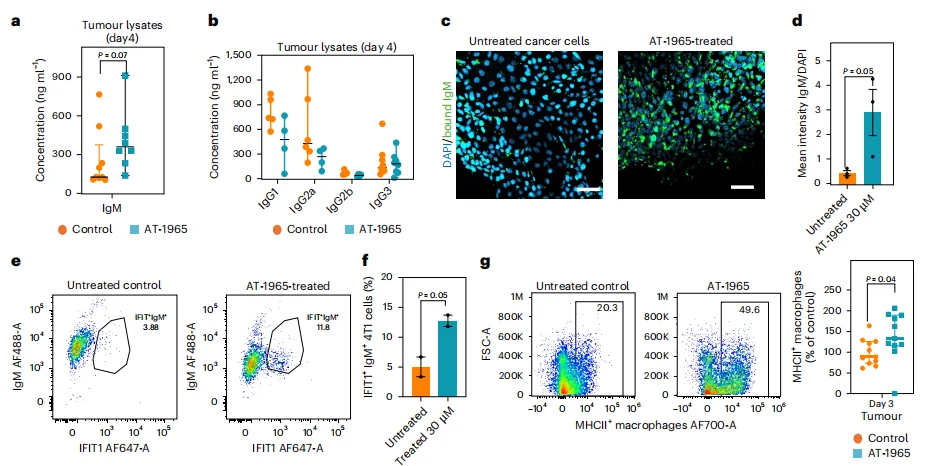
Fig. 7 | A B cell-driven innate and adaptive antiviral immune response.
Research Innovations
- Novel Target Discovery: This study is the first to establish mRNA cap methyltransferase CMTR2 as a target for cancer immunotherapy, revealing that CMTR2 suppresses innate immunity by masking virus-like RNA within tumors, thereby opening a new avenue for epitranscriptomic-based antitumor therapy.
- Immunological Paradigm Shift: By demonstrating that B cells are the core effector cells in regressing cold tumors, this study breaks the conventional focus on T cells in tumor immunology and elucidates a novel cascade mechanism: "intracellular antiviral signaling in tumor cells → recruitment and activation of infiltrating B cells."
- Nanomedicine Translational Advantages: The organic platinum-based AT-1965 nanoformulation does not dissociate to release free platinum, lacks the DNA toxicity of classical platinum agents, exhibits tumor-targeting properties with low systemic toxicity, and induces transient immune activation without sustained inflammatory damage.
- Clinical Biomarker Value: CMTR2 expression, the CMTR2/RIG-I ratio, and IGKC (a B cell marker) are validated as prognostic and predictive biomarkers for treatment response.
- Combination Therapy Potential: CMTR2 inhibition synergizes with PD-1 checkpoint blockade, simultaneously activating B cell-mediated humoral immunity and T cell-mediated cellular immunity, significantly improving response rates in cold tumors.
Summary
This study developed AT-1965, an organic platinum-based lipid nanoparticle formulation that targets tumor CMTR2 and inhibits its mRNA cap methyltransferase activity, leading to the accumulation of unmethylated Cap1 RNA and activation of the RIG-I-mediated intracellular antiviral innate immune pathway. This pathway remodels the tumor microenvironment, recruiting large numbers of follicular and memory B cells that secrete IgM to mediate ADCC and phagocytic tumor killing. Multiple genetic knockout and B cell adoptive transfer experiments confirmed that B cells are the core mediators of AT-1965’s antitumor efficacy, and the drug establishes long-term antitumor immune memory; high CMTR2 expression is associated with poor prognosis, and AT-1965 synergizes with PD-1 inhibitors. This study establishes CMTR2 as a novel immunotherapy target and provides a nanotherapeutic strategy for refractory cold tumors through targeted epitranscriptomic modulation and B cell activation.
Ubigene’s Support
In this study, the CMTR2 Knockout cell line (A549) provided by Ubigene was used to demonstrate that AT-1965’s efficacy is strictly dependent on CMTR2, and to fully establish the causal molecular chain of "CMTR2 inhibition → Cap1 RNA accumulation → RIG-I activation," excluding off-target effects. This critical cell model was instrumental in establishing CMTR2 as a novel immunotherapy target.
Ubigene Biosciences remains committed to the core philosophy of "Making Gene Editing Easier," continuously innovating its products and services. To date, we have achieved over 13,000+ successful gene editing cases and offer more than 10,000+ KO cell products . Our proprietary innovative technology enhances editing efficiency by 10-20 fold compared to conventional methods. Ubigene has provided high-quality gene editing services and products to over 10,000 life science laboratories, pharmaceutical companies, and CROs worldwide.
If you are interested in conducting research on CMTR2 , we can provide you with multiple gene knockout cell lines. Please feel free to contact us for more information.
 Promotions